
Genus · Colubridae
Types of keelbacks
10+ species make up the genus Tropidonophis, the snakes commonly called keelbacks. None are considered dangerous to humans.
About keelbacks (Tropidonophis)
A genus of small, semi-aquatic Old World keelbacks built around ponds, swamps, and rainforest streams.
Tropidonophis is a genus of keelback snakes belonging to the broad colubrid assemblage, within the natricine group that also includes the water snakes, grass snakes, and other semi-aquatic species. The name keelback refers to the raised ridge, or keel, that runs down the center of each dorsal scale, giving these snakes a rough, matte texture rather than a smooth, glossy one. Our database holds 10+ species in this genus, including the Common keelback, Barred keelback, Painted keelback, and Boie's keelback.
The genus is centered on the Indo-Australian region. Its members are found across New Guinea and nearby islands, parts of Indonesia and the Philippines, and into northern Australia, where the Common keelback is one of the better-known representatives. Typical habitat is wet and low-lying: the edges of ponds, swamps, marshes, slow streams, flooded grassland, and rainforest floor near water. These are snakes of damp places, and they are rarely found far from moisture.
Recognizing a Tropidonophis comes down to general traits rather than a single field mark. Expect a small to medium snake with a slender body, keeled dorsal scales that give a slightly rough look, and patterning that ranges from plain to barred or blotched depending on the species. Color is usually brown, olive, or gray with darker crossbars or spots. Many are most active around dawn, dusk, and after rain. Identifying an individual to species is difficult without locality and close examination of scale counts.
On safety: keelbacks in this genus are not front-fanged and are generally regarded as harmless to people, lacking a medically significant venom delivery system. They are non-aggressive and rely on fleeing, flattening, or releasing musk when handled rather than biting defensively. That said, identification of any wild snake from a distance is unreliable, and a snake that looks like a harmless keelback is not worth a guess in regions where dangerous species overlap. Do not handle wild snakes, and if anyone is bitten by an unidentified snake, contact emergency services or US Poison Control at 1-800-222-1222 rather than waiting on a field guess.
Ecologically, Tropidonophis keelbacks are diet specialists on cold-blooded prey near water. They feed heavily on frogs and tadpoles, with some species also taking fish and other small aquatic animals. Like other natricine snakes, they are egg-layers, depositing clutches in moist, concealed sites. Their behavior is shy and water-tied, and they play a steady role as mid-level predators in the wetland and rainforest systems they inhabit.
Tropidonophis belongs to the Colubridae family (Colubrids). The largest snake family, and the one most snakes you meet belong to. Typically round pupils, a head only slightly wider than the neck, and no heat-sensing facial pit or rattle. Scales may be smooth and glossy or keeled and matte depending on the species.
Danger: Almost all colubrids are harmless. A small number are rear-fanged with medically significant venom, the boomslang and the twig (vine) snakes of Africa being the dangerous exceptions. Most colubrids will flee or bluff rather than bite.
All species (13)
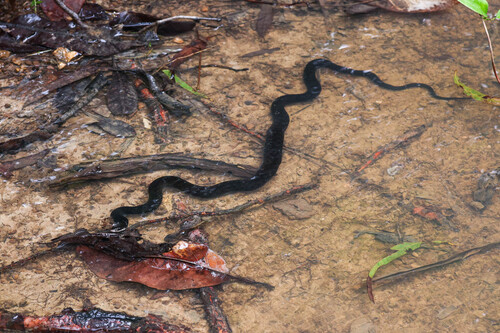 Common keelbackTropidonophis mairiiHarmless
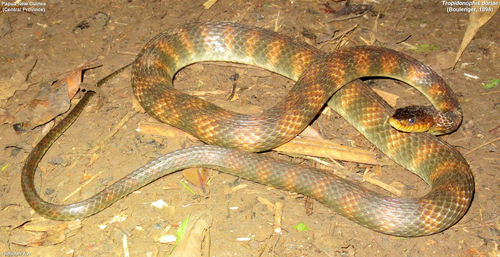 Barred keelbackTropidonophis doriaeHarmless
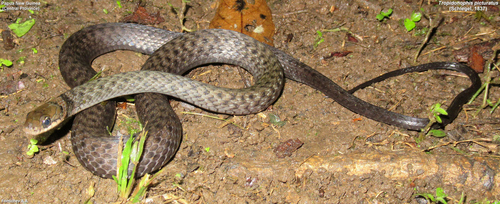 Painted keelbackTropidonophis picturatusHarmless
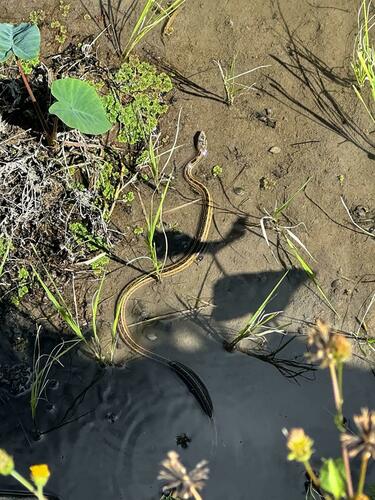 Boie's KeelbackTropidonophis spilogasterHarmless
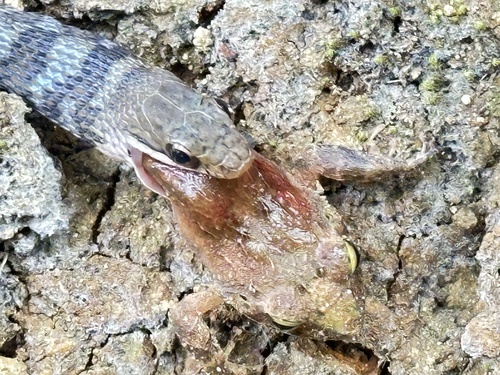 Spotted Water SnakeTropidonophis dendrophiopsHarmless
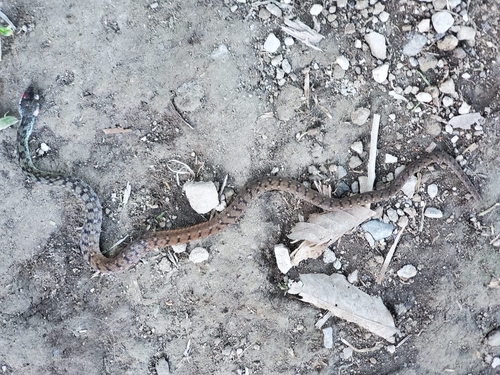 Negros Spotted Water SnakeTropidonophis negrosensisHarmless
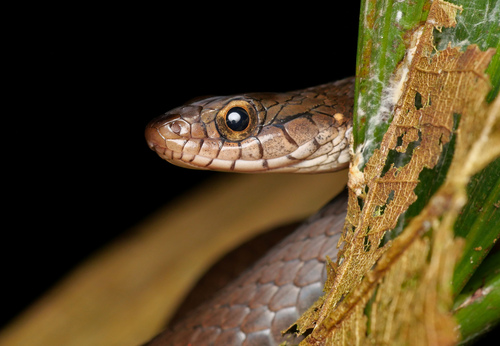 Many-scaled keelbackTropidonophis multiscutellatusHarmless
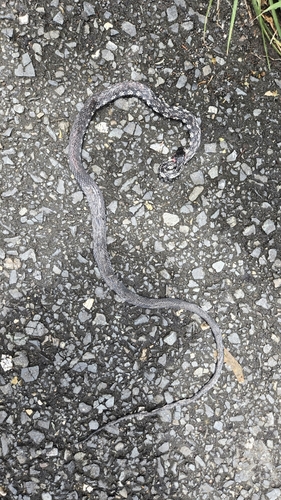 Tropidonophis halmahericusHarmless
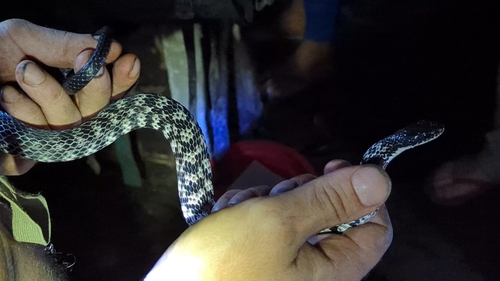 Halmahera KeelbackTropidonophis punctiventrisHarmless
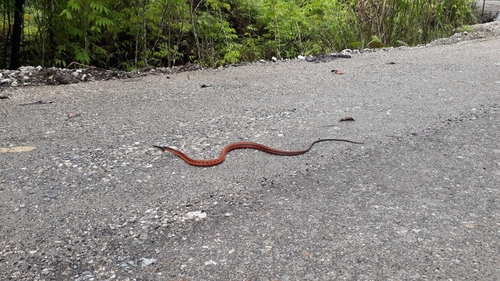 Moluccan keelbackTropidonophis elongatusHarmless
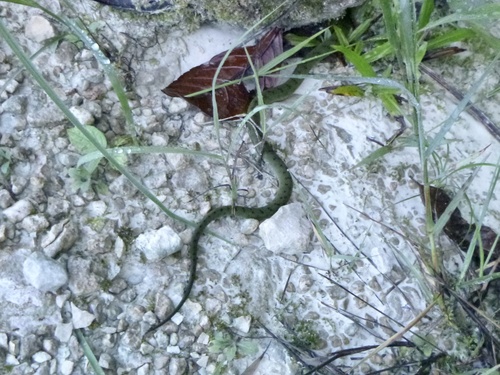 New Guinea keelbackTropidonophis novaeguineaeHarmless
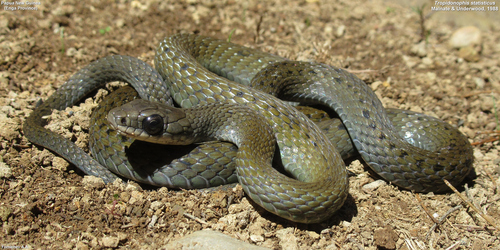 Papua New Guinea Montane KeelbackTropidonophis statisticusHarmless
- No photoIndonesian KeelbackTropidonophis truncatusHarmless
Keep learning
- What Is a Snake? Anatomy and the BasicsA clear overview of what makes a snake a snake: limbless body plan, anatomy, evolution from lizards, species diversity, and why they are ectothermic.
- How Snakes Move, Hunt, and EatHow snakes move without legs, hunt as ambushers or active foragers, kill by constriction or venom, and swallow prey wider than their head.
- What Do Snakes Eat?All snakes are carnivores. Learn what snakes eat, how diet changes with size and age, how often they feed, and how they hunt and swallow prey.
- Venomous vs Nonvenomous: How to Tell the DifferenceThe folk rules for telling venomous snakes apart, where each one fails, and why location-based identification beats guessing by sight.