
Genus · Colubridae
Types of many-tooth snakes
10 species make up the genus Sibynophis, the snakes commonly called many-tooth snakes. None are considered dangerous to humans.
About Many-toothed snakes (black-headed snakes)
Slender, fast-moving Asian colubrids named for the unusually high number of tiny teeth packed into their jaws.
Sibynophis is a genus of small to medium colubrid snakes in the family Colubridae, the largest and most varied family of snakes in the world. Like most colubrids, they are typically slim, agile, ground-dwelling animals with smooth scales and large eyes with round pupils. The genus is commonly called the many-toothed snakes, a reference to the dense rows of small, closely spaced teeth that distinguish the group. Several species also carry the name black-headed snake because of a dark cap or hood marking over the head and neck.
The genus is distributed across South and Southeast Asia, with about ten recognized species. Members are found from India and Sri Lanka through southern China and into the forests and hill country of mainland Southeast Asia and parts of the Indo-Malayan region. Typical habitat is moist forest, forest edge, and vegetated hillsides, often near leaf litter and the forest floor where these snakes hunt. They tend to be terrestrial and are most active by day.
In general appearance, many-toothed snakes are slender and elongate with a fairly distinct head, smooth body scales, and a long tail. Many species show a dark head or a dark stripe running along the body, sometimes paired with a pale collar or neck band, which is the source of names like collared black-headed snake. Recognizing the genus in the field usually comes down to the combination of small size, slim build, a dark-capped head, and the daytime, ground-hunting behavior, though confirming an exact species often requires close examination of scale counts and the characteristic dentition.
These snakes are not considered dangerous to people. Sibynophis species are non-venomous colubrids with no specialized venom-delivery fangs, and they pose no medical threat through a bite. Their diet reflects a small predator: they feed largely on lizards, especially skinks, along with other small reptiles and amphibians, using their numerous fine teeth to grip slippery, struggling prey. Like many colubrids they are egg-laying, and they are generally shy, quick to flee, and inoffensive when encountered.
Even with a harmless genus, the safe practice in the field is to observe and not handle wild snakes. Identification can be uncertain, look-alike species exist, and any snake may bite when cornered. If a venomous snake is misidentified or if a bite causes a serious reaction, treat it as a medical emergency: contact local emergency services or, in the United States, Poison Control at 1-800-222-1222.
Sibynophis belongs to the Colubridae family (Colubrids). The largest snake family, and the one most snakes you meet belong to. Typically round pupils, a head only slightly wider than the neck, and no heat-sensing facial pit or rattle. Scales may be smooth and glossy or keeled and matte depending on the species.
Danger: Almost all colubrids are harmless. A small number are rear-fanged with medically significant venom, the boomslang and the twig (vine) snakes of Africa being the dangerous exceptions. Most colubrids will flee or bluff rather than bite.
All species (10)
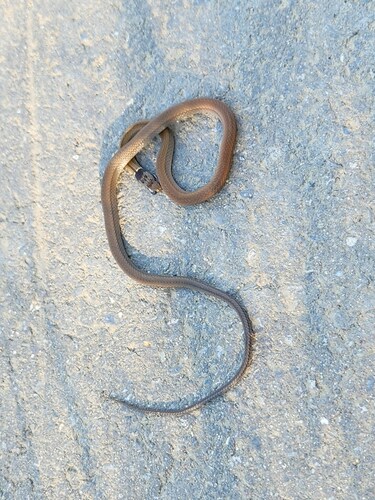 Chinese Many-tooth SnakeSibynophis chinensisHarmless
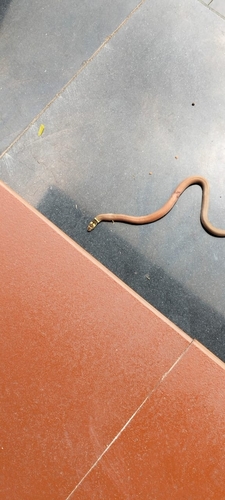 Black-headed snakeSibynophis subpunctatusHarmless
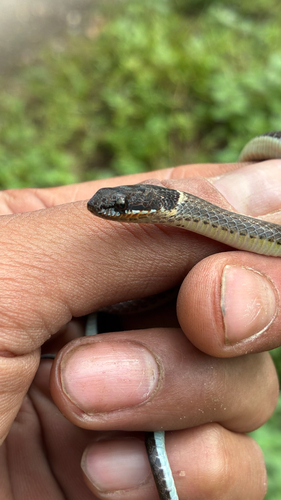 Collared Black-headed SnakeSibynophis collarisHarmless
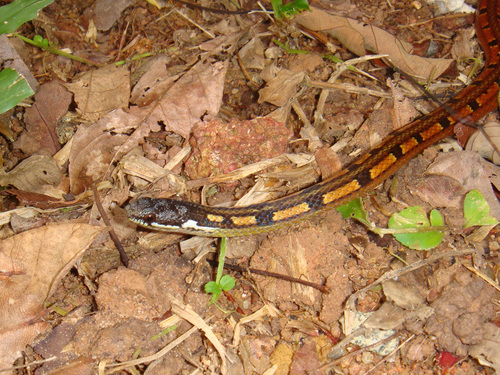 Black-headed Collared SnakeSibynophis melanocephalusHarmless
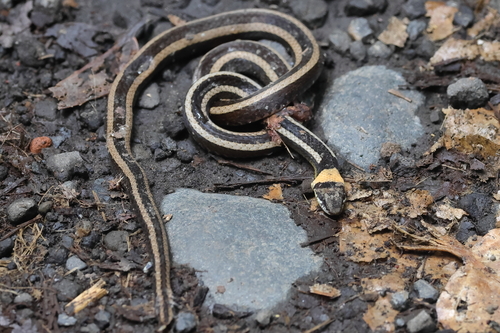 Boie's Many-tooth SnakeSibynophis geminatusHarmless
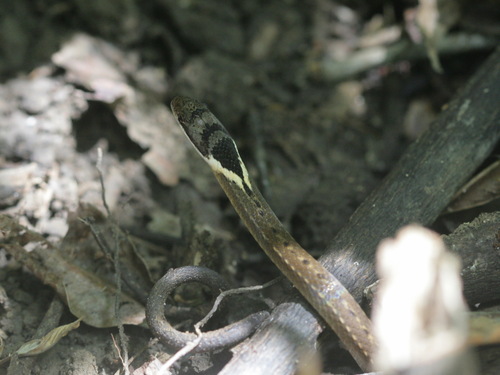 Triangle Many-tooth SnakeSibynophis triangularisHarmless
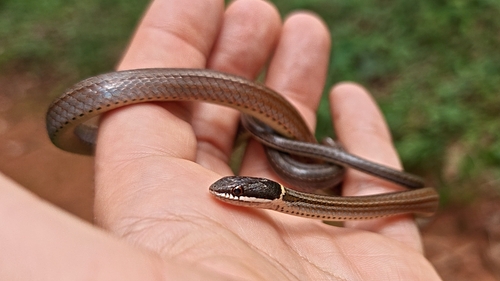 Sibynophis grahamiHarmless
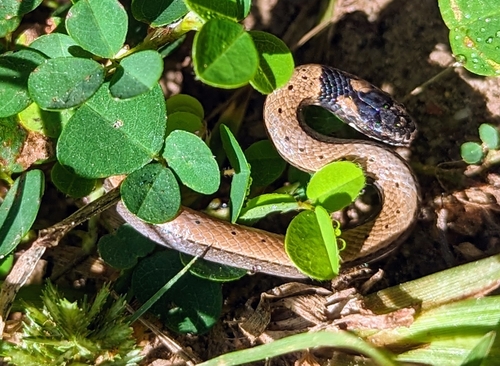 Cantor’s black-headed snakeSibynophis sagittariusHarmless
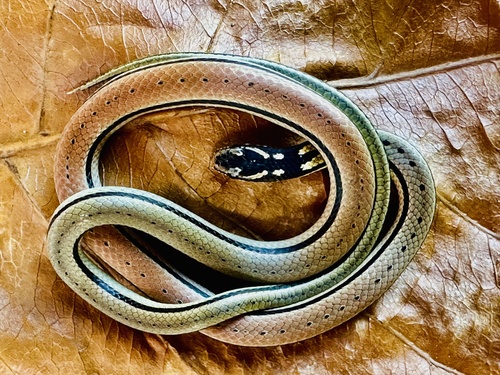 Günther's Many-tooth SnakeSibynophis bistrigatusHarmless
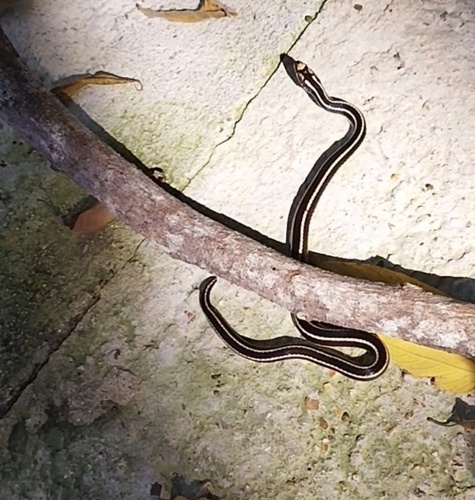 White-striped SnakeSibynophis bivittatusHarmless
Keep learning
- What Is a Snake? Anatomy and the BasicsA clear overview of what makes a snake a snake: limbless body plan, anatomy, evolution from lizards, species diversity, and why they are ectothermic.
- How Snakes Move, Hunt, and EatHow snakes move without legs, hunt as ambushers or active foragers, kill by constriction or venom, and swallow prey wider than their head.
- What Do Snakes Eat?All snakes are carnivores. Learn what snakes eat, how diet changes with size and age, how often they feed, and how they hunt and swallow prey.
- Venomous vs Nonvenomous: How to Tell the DifferenceThe folk rules for telling venomous snakes apart, where each one fails, and why location-based identification beats guessing by sight.