
Genus · Leptotyphlopidae
Types of blind snakes
6 species make up the genus Rena, the snakes commonly called blind snakes. None are considered dangerous to humans.
About blind snakes (North American threadsnakes)
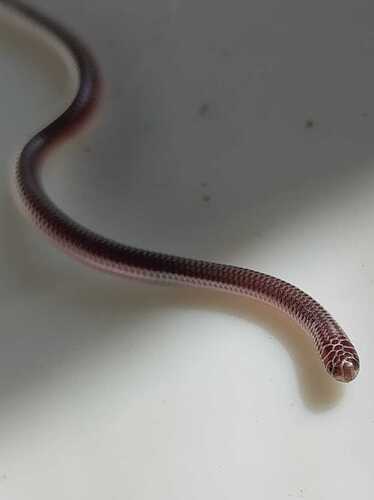
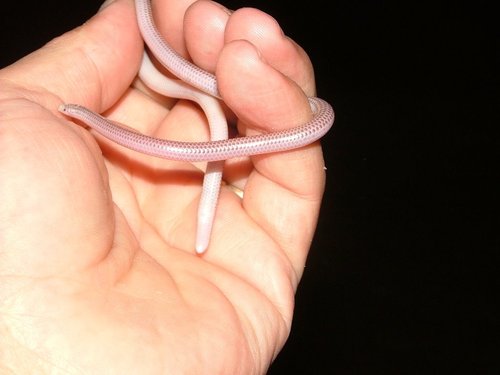
Tiny, worm-like burrowers so small and smooth you would mistake them for a strand of wet spaghetti.
Rena is a genus of slender, burrowing snakes in the family Leptotyphlopidae, the slender blindsnakes or threadsnakes. Members are sometimes called blind snakes or threadsnakes, and several North American species carry names like the Texas Blind Snake, Western Threadsnake, and Trans-Pecos Blindsnake. They are among the smallest snakes in the world, and their whole body plan is built for a life spent underground rather than on the surface.
These snakes live mostly in the southwestern United States and Mexico, with the broader family reaching across the Americas, Africa, and parts of Asia. Rena favors warm, dry to semi-arid country: sandy or loose soils, rocky desert, scrub, and grassland where they can push through the ground and follow insect trails. They spend nearly all their time below the surface or under rocks, logs, and debris, surfacing mainly at night or after rain.
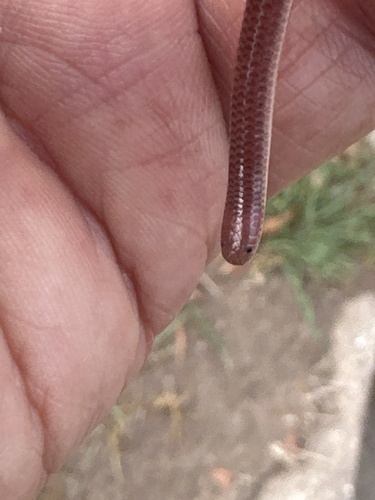
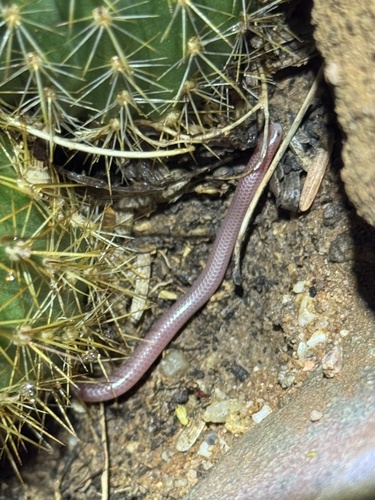
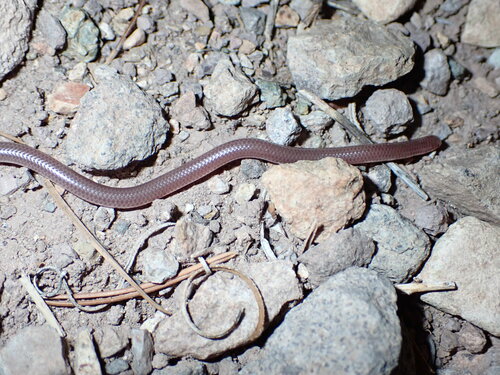
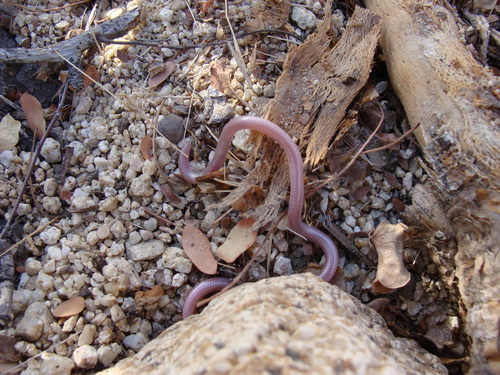
Recognizing a Rena is easier than identifying the exact species. Look for a very thin, shiny, uniformly colored snake, often pinkish, brown, or silvery, with a body about as wide as a pencil lead and a blunt head and tail that look nearly alike. The eyes are reduced to dark spots under the head scales, which is where the name blind snake comes from. The smooth, tightly overlapping scales and a small spine at the tail tip help them move through soil. They are frequently mistaken for earthworms.
Rena snakes are completely harmless to people. They are not venomous, not rear-fanged, and not dangerous; their mouths are tiny and they do not bite defensively in any meaningful way. Their main defenses are burrowing away fast and releasing a foul-smelling fluid. There is no first-aid concern with these animals, though as with any wild animal it is best to observe rather than handle, and to leave snake identification to context when unsure.
Ecologically these are specialist insect hunters. They feed largely on ants and termites, including the larvae and pupae inside the nest, and are well known for entering ant colonies to feed. They reproduce by laying small clutches of eggs, and some females have been observed coiling around the eggs. Quiet, secretive, and rarely seen, Rena play a useful role in controlling soil insects and serve as prey for larger snakes, birds, and other predators.
Rena belongs to the Leptotyphlopidae family (Slender blindsnakes (threadsnakes)). Among the smallest snakes in the world, thin as a thread. Extremely thin and worm-like, uniformly colored, with vestigial eyes. Resembles a shiny piece of string.
Danger: Harmless. No venom and far too small to harm a person.
All species (6)
Keep learning
- What Is a Snake? Anatomy and the BasicsA clear overview of what makes a snake a snake: limbless body plan, anatomy, evolution from lizards, species diversity, and why they are ectothermic.
- How Snakes Move, Hunt, and EatHow snakes move without legs, hunt as ambushers or active foragers, kill by constriction or venom, and swallow prey wider than their head.
- What Do Snakes Eat?All snakes are carnivores. Learn what snakes eat, how diet changes with size and age, how often they feed, and how they hunt and swallow prey.
- Venomous vs Nonvenomous: How to Tell the DifferenceThe folk rules for telling venomous snakes apart, where each one fails, and why location-based identification beats guessing by sight.