
Genus · Colubridae
Types of burrowing snakes
10+ species make up the genus Phalotris, the snakes commonly called burrowing snakes. None are considered dangerous to humans.
About South American burrowing snakes
A genus of small, brightly banded, fossorial snakes from South America that spend most of their lives underground.
Phalotris is a genus of small snakes in the family Colubridae, the largest and most diverse snake family on Earth. Colubridae is a broad grouping that holds the majority of the world's snake species, most of which are harmless to people. Within that family, Phalotris belongs to a lineage of New World snakes adapted to a burrowing, secretive life, and the genus currently includes roughly 18 recognized species.
These snakes live in central and southern South America, across countries including Brazil, Paraguay, Argentina, Bolivia, and Uruguay. They are strongly fossorial, meaning they are built for life beneath the surface. They favor sandy or loose soils, grasslands, and open savanna-type habitats where they can move easily through the ground, and they are rarely seen above ground except after heavy rain or when soil is disturbed.
Phalotris snakes are recognized by their small, slender bodies, smooth scales, and a head that is not much wider than the neck, all features typical of a burrowing snake. Many species carry a striking color pattern: a black-and-pale collar or nape band behind the head, often over a reddish or coral-toned body. This bold banding is the easiest field cue, though exact pattern and color vary from species to species and confident identification is best left to a regional expert.
On venom, honesty matters. Phalotris is rear-fanged (opisthoglyphous), carrying enlarged grooved teeth toward the back of the upper jaw rather than front fangs. Most rear-fanged colubrids are of little medical concern to humans, but Phalotris is a documented exception: a serious envenomation from Phalotris has been reported, including significant bleeding effects. For that reason no wild snake of this type should be handled. If a bite occurs, do not attempt first aid procedures or remedies; contact emergency services or, in the US, Poison Control at 1-800-222-1222 right away.
Ecologically, these are quiet, low-profile predators. They forage underground and in leaf litter, preying on small prey such as other snakes, amphibians, and invertebrates, with diet varying by species. Like many colubrids in this group they are egg-laying. Their secretive habits mean much of their behavior is still poorly documented, and several species are known from only a handful of specimens, so much of what is genuinely known comes from broader patterns in burrowing colubrids rather than detailed study of each species.
Phalotris belongs to the Colubridae family (Colubrids). The largest snake family, and the one most snakes you meet belong to. Typically round pupils, a head only slightly wider than the neck, and no heat-sensing facial pit or rattle. Scales may be smooth and glossy or keeled and matte depending on the species.
Danger: Almost all colubrids are harmless. A small number are rear-fanged with medically significant venom, the boomslang and the twig (vine) snakes of Africa being the dangerous exceptions. Most colubrids will flee or bluff rather than bite.
All species (18)
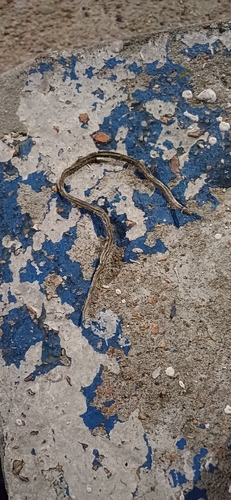 Dumeril's Diadem SnakePhalotris lemniscatusHarmless
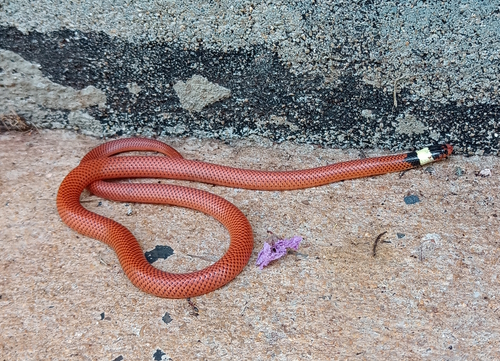 Phalotris mertensiHarmless
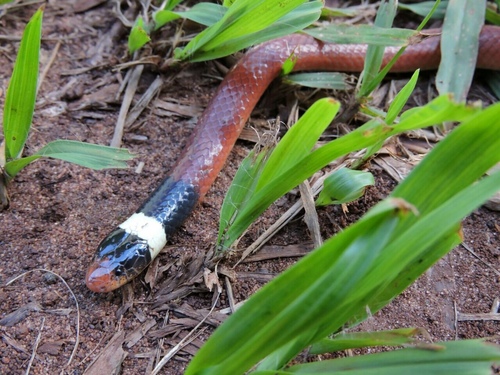 Mato Grosso Burrowing SnakePhalotris matogrossensisHarmless
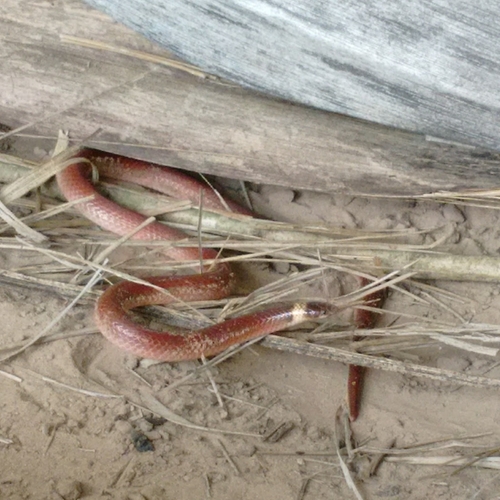 Phalotris nasutusHarmless
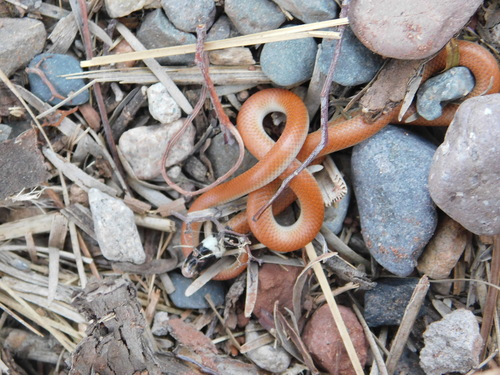 Mendoza Collared SnakePhalotris cuyanusHarmless
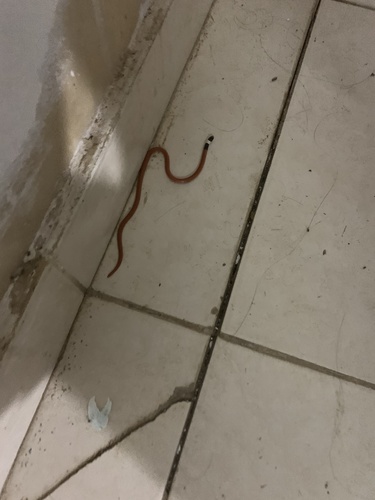 Tricolored Burrowing SnakePhalotris tricolorHarmless
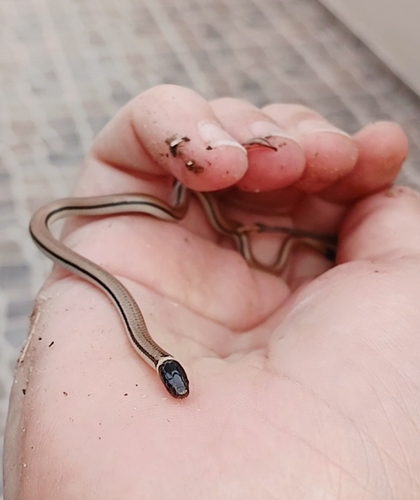 Phalotris suspectusHarmless
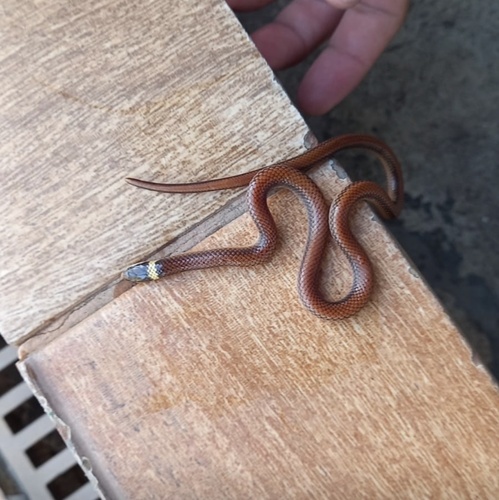 Phalotris lativittatusHarmless
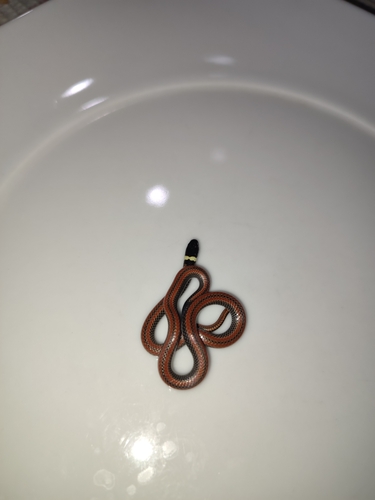 Phalotris reticulatusHarmless
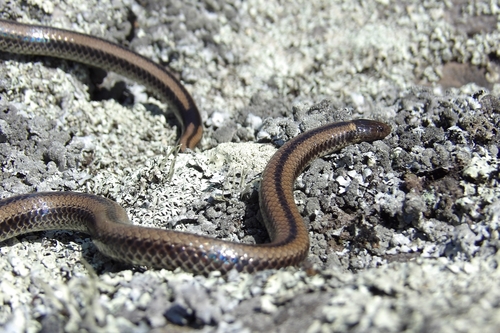 Phalotris spegazziniiHarmless
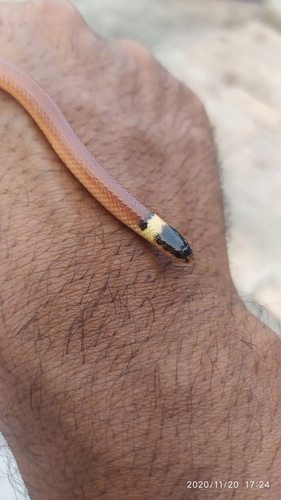 Phalotris concolorHarmless
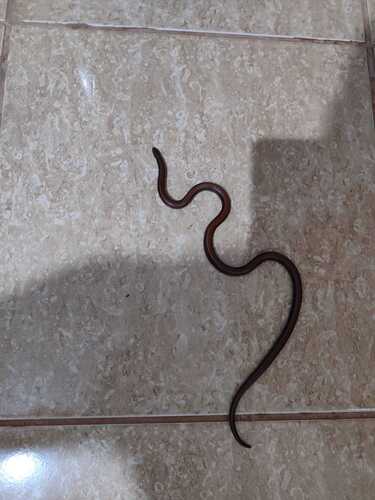 Enparaguayan Burrowing SnakePhalotris nigrilatusHarmless
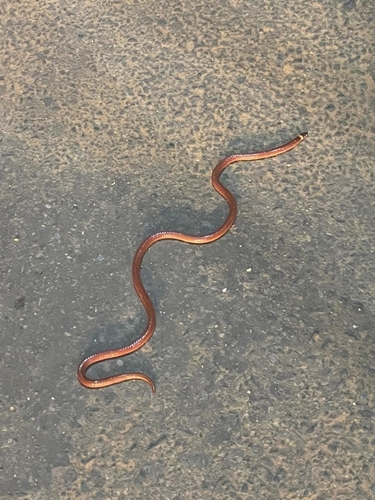 Phalotris labiomaculatusHarmless
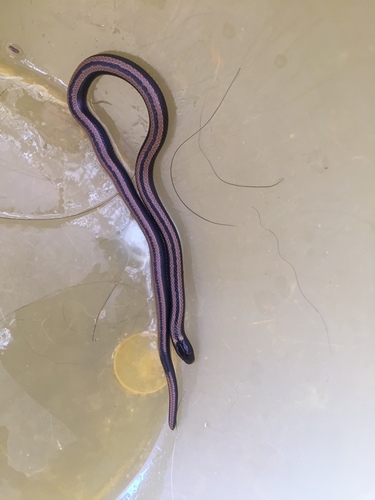 Phalotris illustratorHarmless
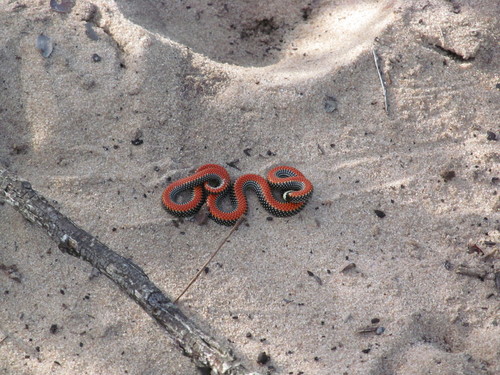 Phalotris multipunctatusHarmless
 Phalotris shawnellaHarmless
- No photoPhalotris sansebastianiHarmless
- No photoPhalotris bilineatusHarmless
Keep learning
- What Is a Snake? Anatomy and the BasicsA clear overview of what makes a snake a snake: limbless body plan, anatomy, evolution from lizards, species diversity, and why they are ectothermic.
- How Snakes Move, Hunt, and EatHow snakes move without legs, hunt as ambushers or active foragers, kill by constriction or venom, and swallow prey wider than their head.
- What Do Snakes Eat?All snakes are carnivores. Learn what snakes eat, how diet changes with size and age, how often they feed, and how they hunt and swallow prey.
- Venomous vs Nonvenomous: How to Tell the DifferenceThe folk rules for telling venomous snakes apart, where each one fails, and why location-based identification beats guessing by sight.