
Genus · Colubridae
Types of kukri snakes
50+ species make up the genus Oligodon, the snakes commonly called kukri snakes. None are considered dangerous to humans.
About kukri snakes
Kukri snakes are small, secretive colubrids named for the curved, blade-like teeth they use to slice into eggs.
Oligodon is a large genus of small to medium-sized snakes in the family Colubridae, the biggest and most varied snake family on Earth. The genus contains many dozens of species, with 73 represented in our database, including the Taiwan Kukri Snake, the Small-banded Kukri Snake, the Streaked Kukri Snake, and the Banded Kukri Snake. The common name comes from the kukri, a curved Nepalese knife, because the enlarged rear teeth in the upper jaw are flattened and blade-shaped.
These snakes range widely across South, Southeast, and East Asia, reaching into parts of the Middle East and the Indo-Australian islands. They occupy a broad set of habitats, from forests and farmland to gardens and the edges of human settlements. Most are ground-dwellers that spend much of their time hidden under leaf litter, logs, stones, or loose soil, which is why people often encounter them only by accident while digging or clearing.
Recognizing a kukri snake in general terms means looking for a small, stout-bodied snake with a short head that is barely distinct from the neck and smooth, glossy scales. Many species carry banded, blotched, or streaked patterns in browns, grays, and reds, and some show a dark chevron or arrow-shaped mark on the head and neck. Exact identification varies a great deal between the many species, so patterns alone are not reliable across the whole genus.
Kukri snakes are not front-fanged venomous snakes and are generally considered harmless to people. Like many colubrids they have enlarged rear teeth rather than hollow fangs, and they are not regarded as dangerous. That said, their bladed teeth can deliver a deep, slow-to-stop cut, and any wild snake can bite if grabbed. Do not handle wild snakes. If a bite causes a wound that will not stop bleeding, or if you are unsure what bit you, seek medical care and contact US Poison Control at 1-800-222-1222 or your local emergency services.
Ecologically, several Oligodon species are well known for eating reptile eggs, using their curved teeth to slit the shell and consume the contents, though the diet also includes invertebrates, amphibians, and small vertebrates depending on the species. They are egg-laying snakes, and like most colubrids they reproduce by depositing clutches rather than giving live birth. Behavior tends toward the shy and reclusive, with many species most active in cooler hours and quick to retreat under cover when disturbed.
Oligodon belongs to the Colubridae family (Colubrids). The largest snake family, and the one most snakes you meet belong to. Typically round pupils, a head only slightly wider than the neck, and no heat-sensing facial pit or rattle. Scales may be smooth and glossy or keeled and matte depending on the species.
Danger: Almost all colubrids are harmless. A small number are rear-fanged with medically significant venom, the boomslang and the twig (vine) snakes of Africa being the dangerous exceptions. Most colubrids will flee or bluff rather than bite.
All species (73)
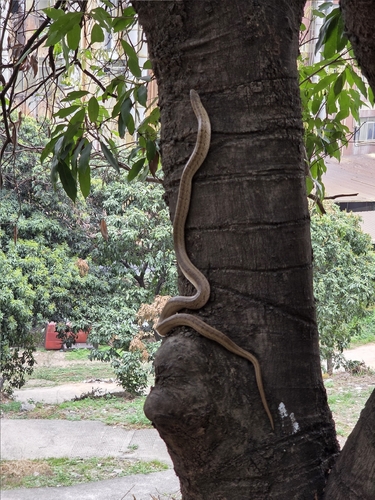 Taiwan Kukri SnakeOligodon formosanusHarmless
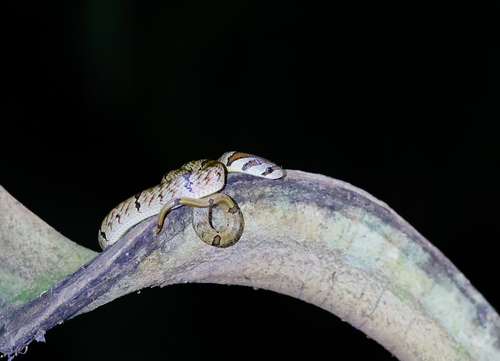 Small-banded Kukri SnakeOligodon fasciolatusHarmless
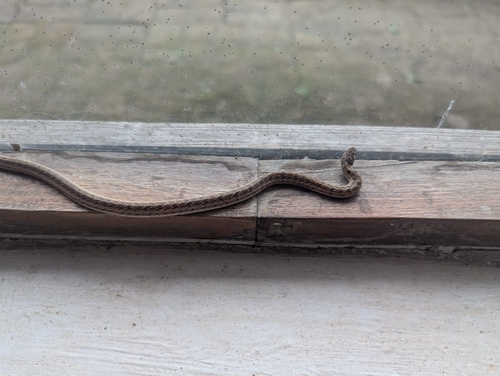 Streaked Kukri SnakeOligodon taeniolatusHarmless
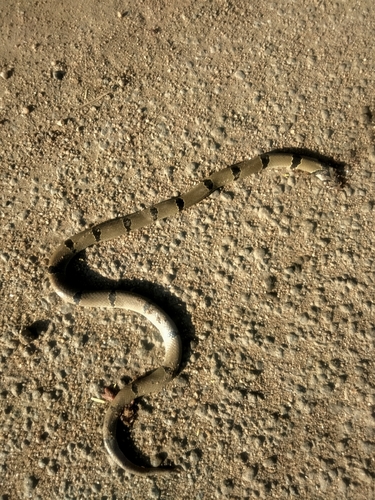 Banded kukri snakeOligodon arnensisHarmless
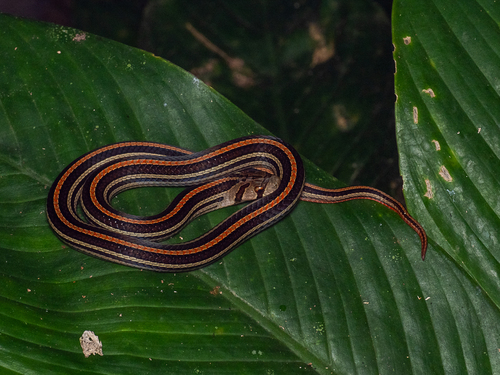 Eight-striped Kukri SnakeOligodon octolineatusHarmless
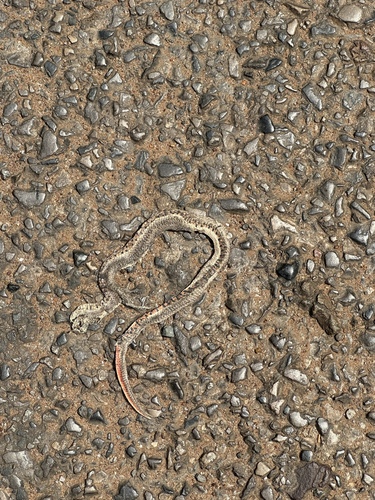 Striped Kukri SnakeOligodon taeniatusHarmless
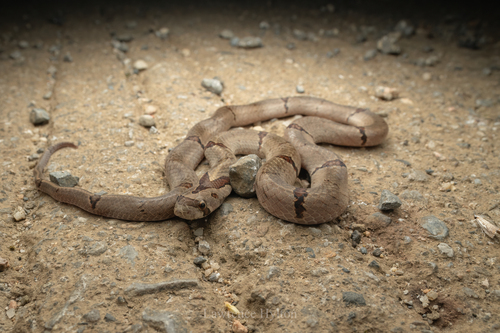 Chinese Kukri SnakeOligodon chinensisHarmless
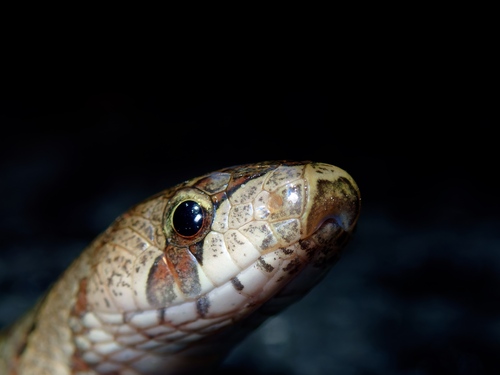 Brown Kukri SnakeOligodon purpurascensHarmless
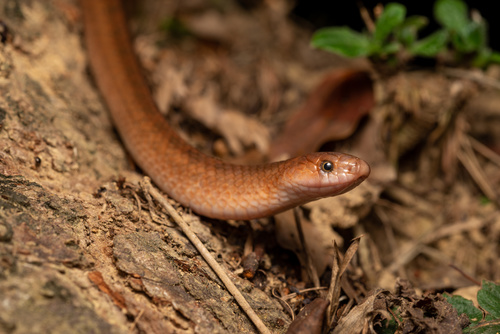 Black Cross-barred Kukri SnakeOligodon cinereusHarmless
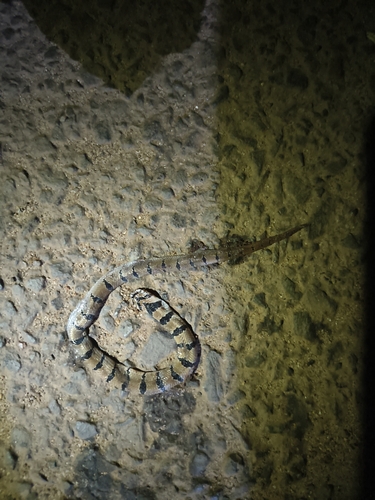 Tillack's Kukri SnakeOligodon tillackiHarmless
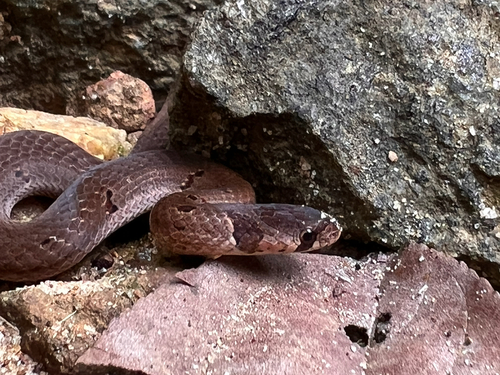 Duméril's Kukri SnakeOligodon sublineatusHarmless
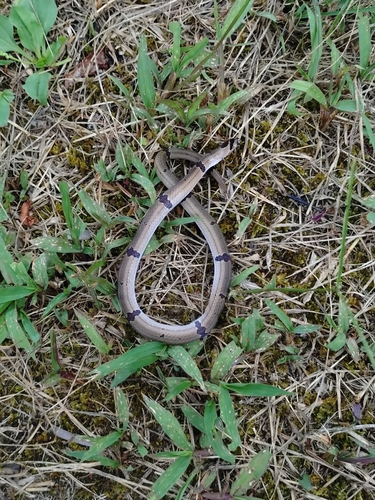 Ornate Kukri SnakeOligodon ornatusHarmless
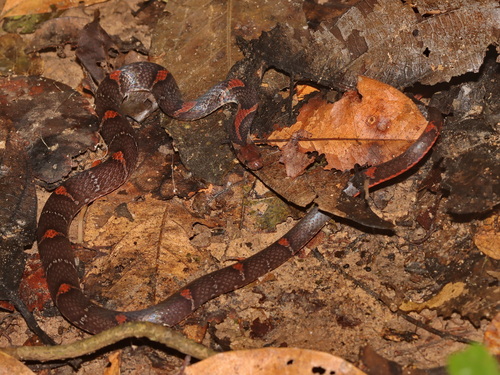 Barred Kukri SnakeOligodon signatusHarmless
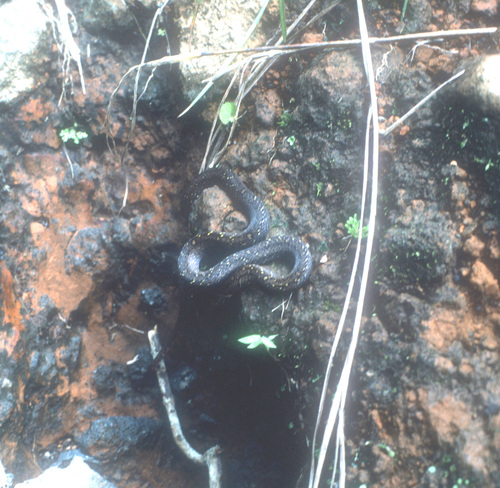 Boie's Kukri SnakeOligodon bitorquatusHarmless
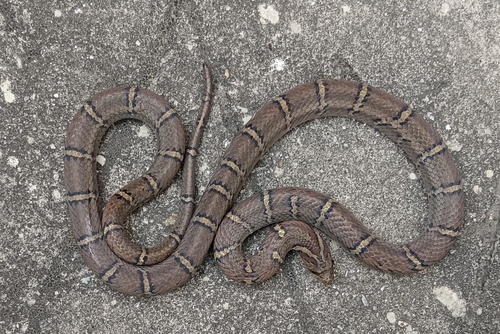 Light-barred Kukri SnakeOligodon albocinctusHarmless
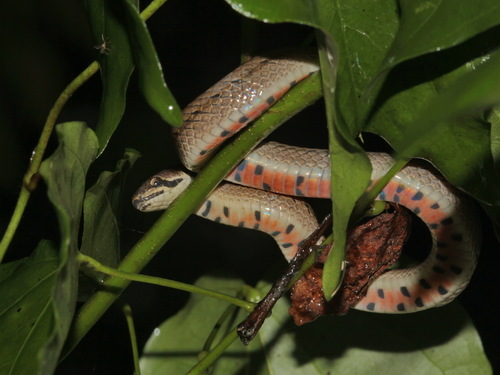 Cambodian Kukri SnakeOligodon mouhotiHarmless
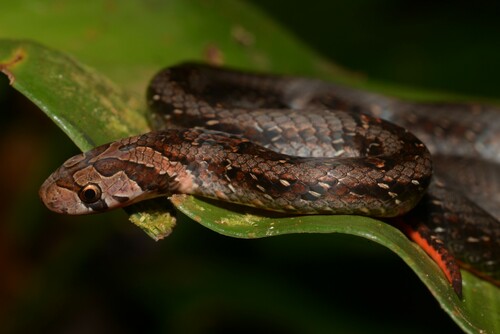 Everett's Kukri SnakeOligodon everettiHarmless
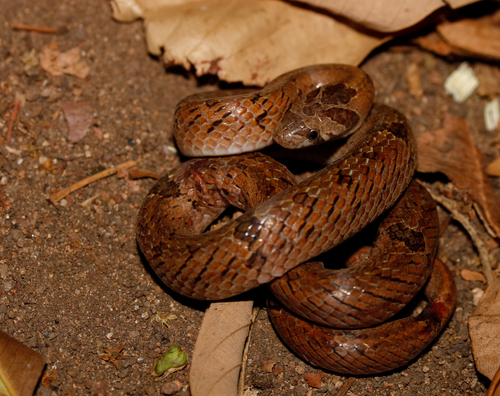 Barron's Kukri SnakeOligodon barroniHarmless
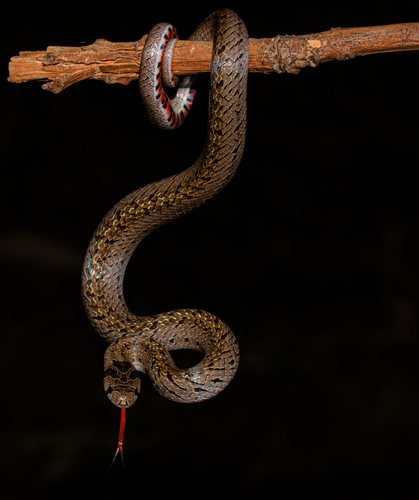 Deuve's Kukri SnakeOligodon deuveiHarmless
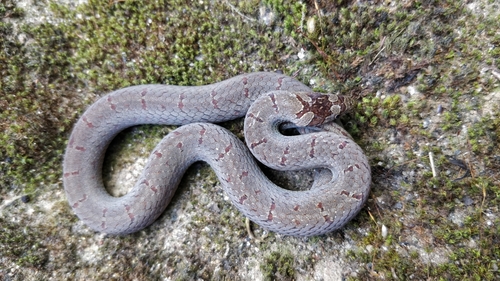 Malabar Brown Kukri SnakeOligodon affinisHarmless
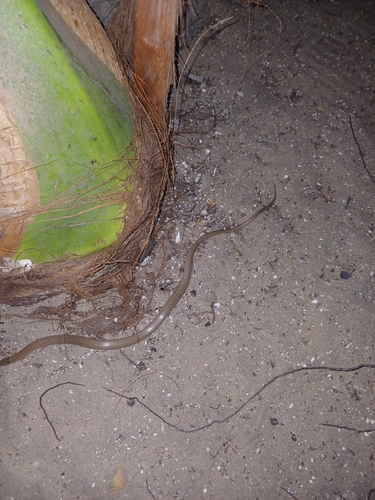 Angel's Kukri SnakeOligodon macrurusHarmless
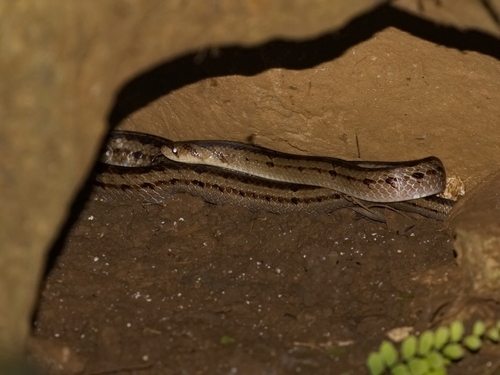 North-east Indian Kukri SnakeOligodon cyclurusHarmless
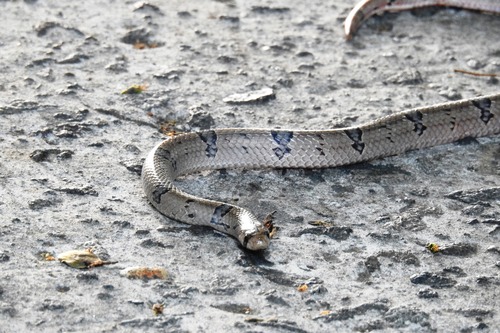 Northern Short-headed SnakeOligodon ancorusHarmless
 Ocellated Kukri SnakeOligodon ocellatusHarmless
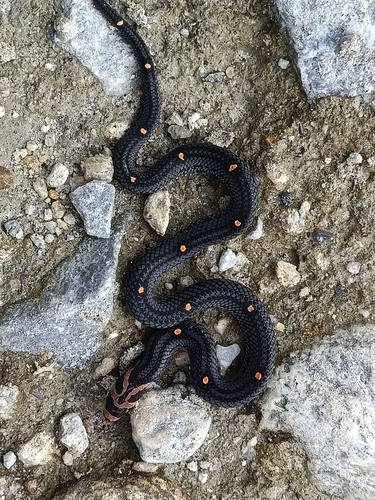 Lacroix Kukri SnakeOligodon lacroixiHarmless
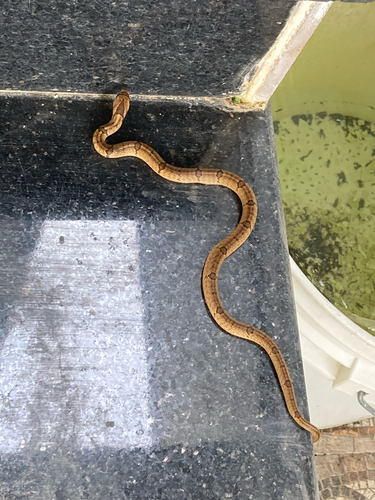 Oligodon tuaniHarmless
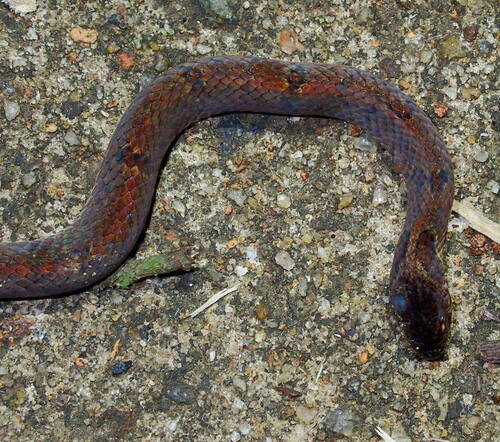 Templeton's Kukri SnakeOligodon calamariusHarmless
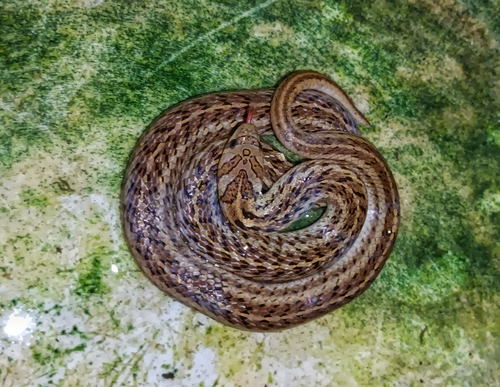 Theobald's Kukri SnakeOligodon theobaldiHarmless
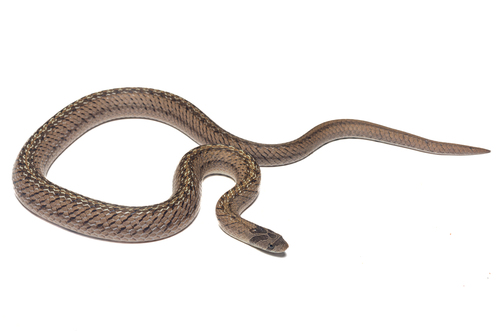 Khorat Kukri SnakeOligodon pseudotaeniatusHarmless
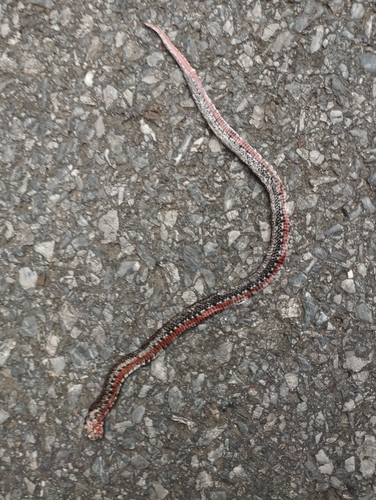 Eberhardt's Kukri SnakeOligodon eberhardtiHarmless
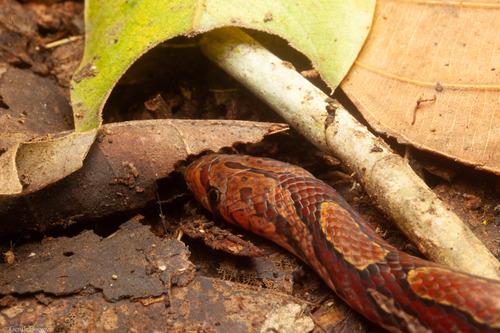 Ringed Kukri SnakeOligodon annuliferHarmless
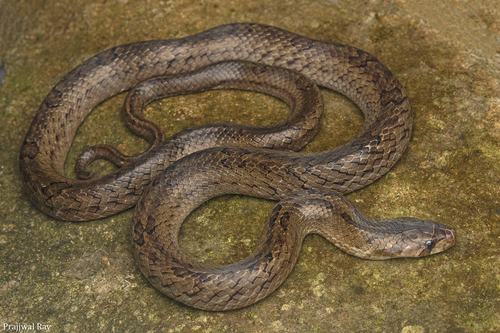 Walnut Kukri SnakeOligodon juglandiferHarmless
 Bleek's Kukri SnakeOligodon waandersiHarmless
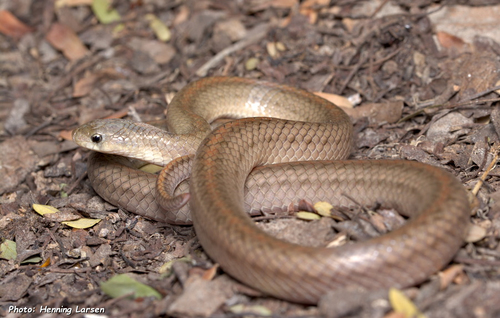 Huahin Kukri SnakeOligodon huahinHarmless
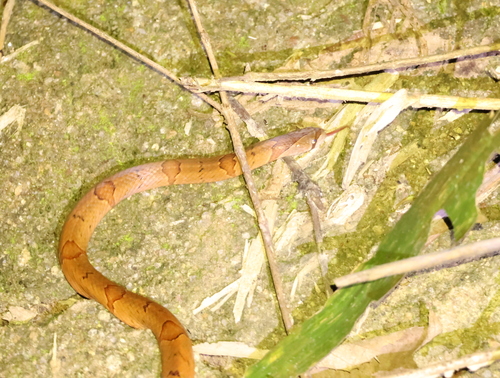 Saint Giron's Kukri SnakeOligodon saintgironsiHarmless
 Assam Kukri SnakeOligodon catenatusHarmless
 Bengalese Kukri SnakeOligodon dorsalisHarmless
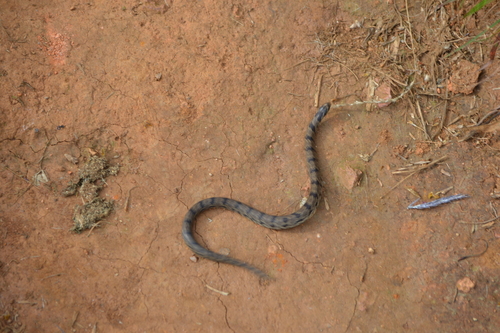 Jerdon's Kukri SnakeOligodon venustusHarmless
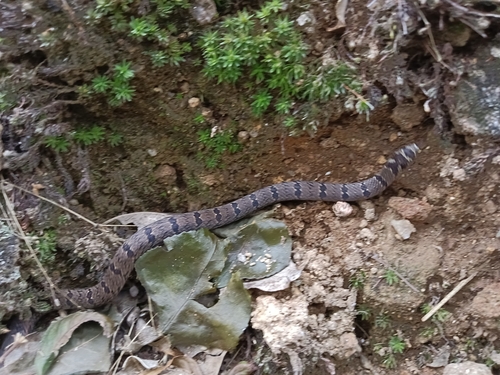 Travancore Kukri SnakeOligodon travancoricusHarmless
 Coral kukri snakeOligodon kheriensisHarmless
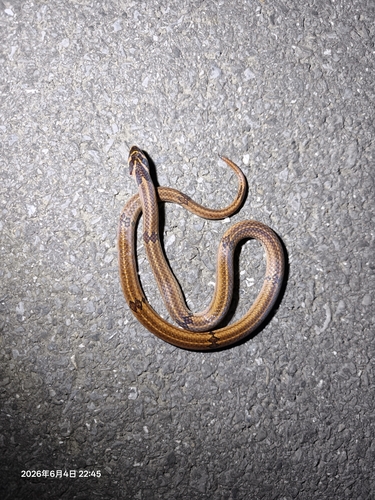 Lungshen Kukri SnakeOligodon lungshenensisHarmless
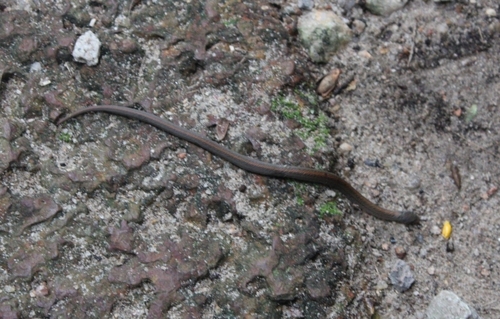 Oligodon phanganHarmless
 Splendid Kukri SnakeOligodon splendidusHarmless
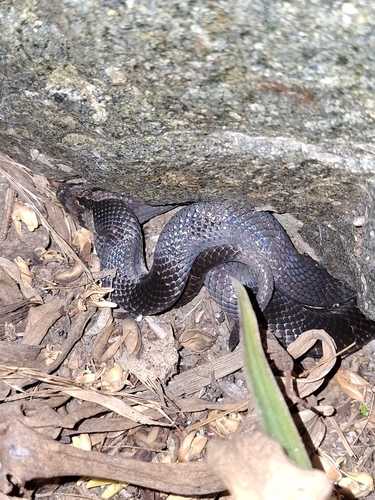 Barred Short-headed SnakeOligodon maculatusHarmless
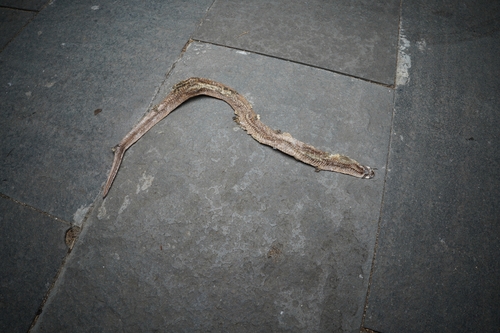 Double-striped Kukri SnakeOligodon bivirgatusHarmless
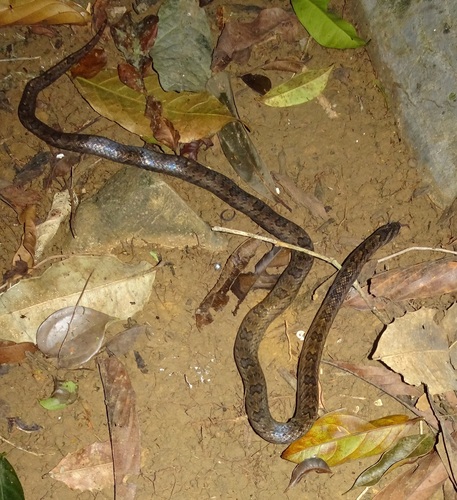 Nagao Kukri SnakeOligodon nagaoHarmless
 Palawan Kukri SnakeOligodon notospilusHarmless
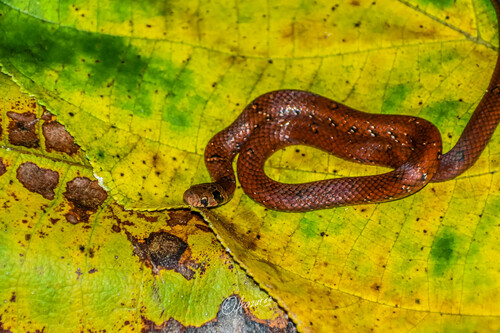 Tolaki Kukri SnakeOligodon tolakiHarmless
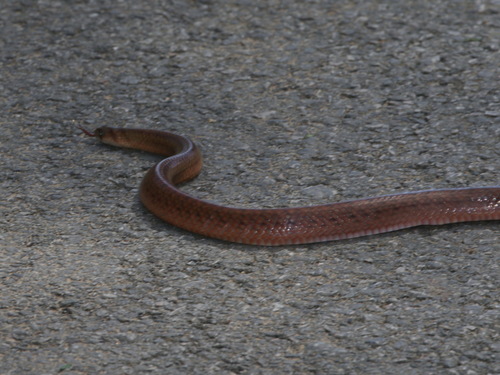 Grey Kukri SnakeOligodon joynsoniHarmless
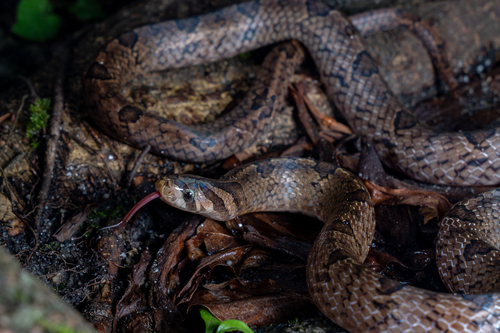 Medog Kukri SnakeOligodon lipipengiHarmless
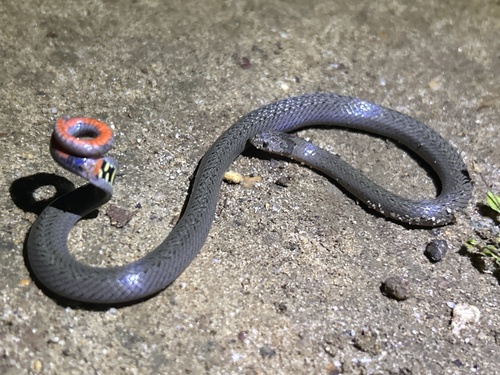 Pegu Kukri SnakeOligodon cruentatusHarmless
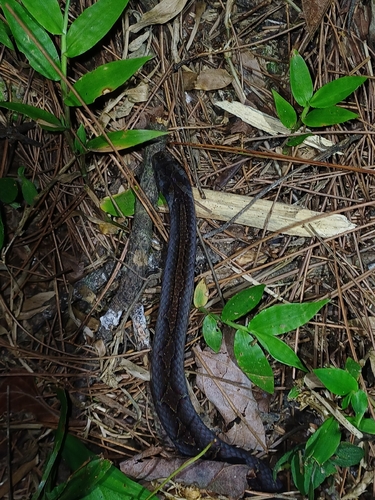 Petronella's Kukri SnakeOligodon petronellaeHarmless
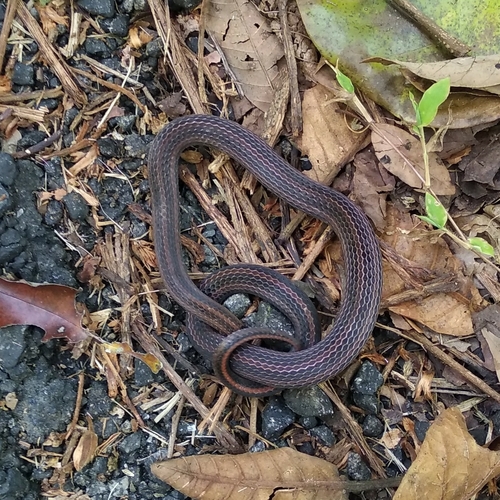 Shorthead Kukri SnakeOligodon brevicaudaHarmless
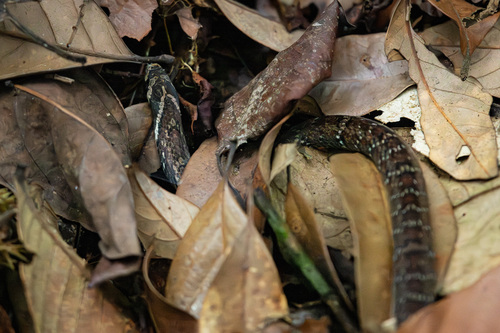 Annam kukri snakeOligodon annamensisHarmless
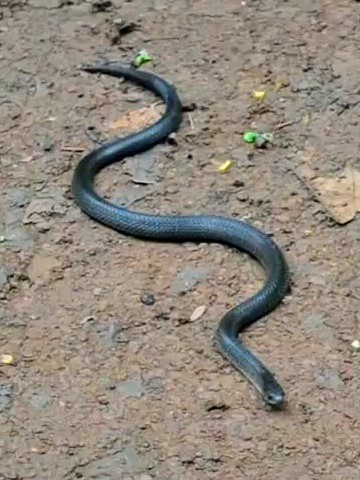 Kampuchea Kukri SnakeOligodon kampucheaensisHarmless
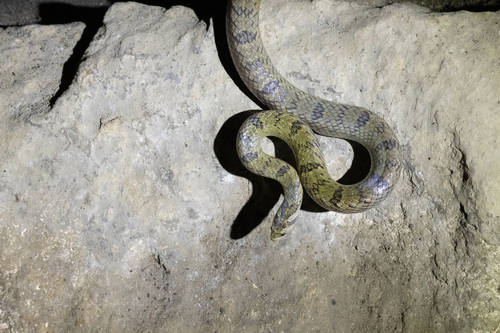 Saiyok Kukri SnakeOligodon saiyokHarmless
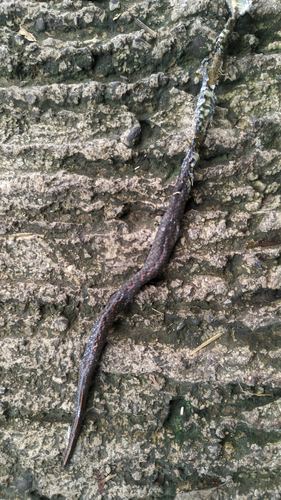 Spotted-bellied Short-headed SnakeOligodon modestusHarmless
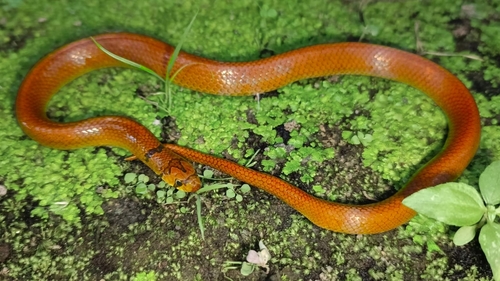 Forbes' Kukri SnakeOligodon forbesiHarmless
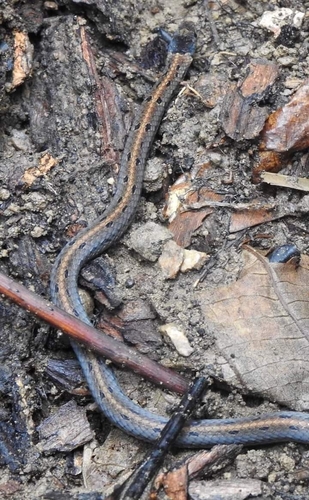 McDougall's Kukri SnakeOligodon mcdougalliHarmless
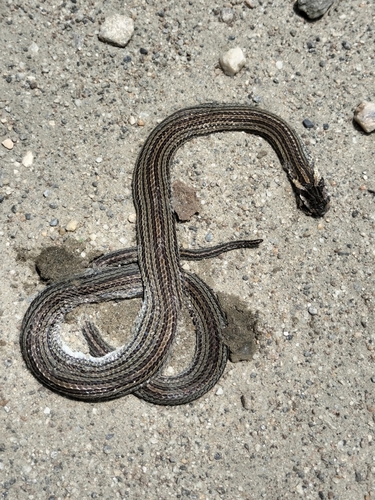 Nagarkot Kukri SnakeOligodon erythrogasterHarmless
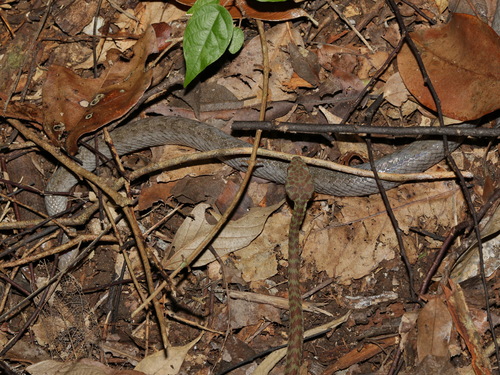 Oligodon promsombutiHarmless
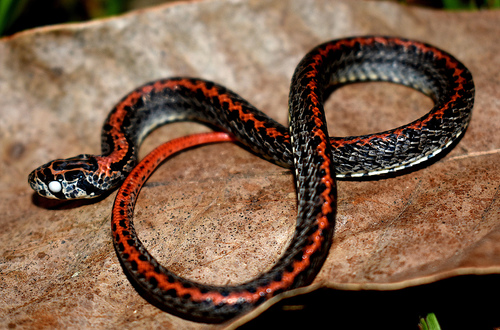 Perkin's Short-headed SnakeOligodon perkinsiHarmless
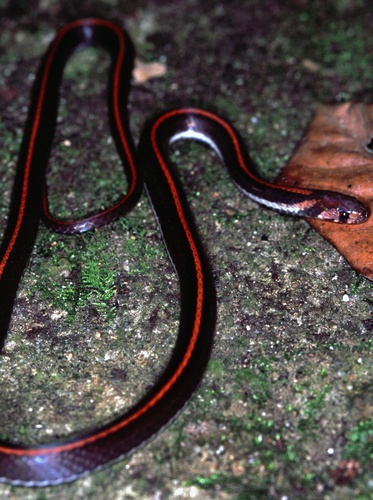 Three-lined Kukri SnakeOligodon trilineatusHarmless
 Andaman Black Kukri SnakeOligodon woodmasoniHarmless
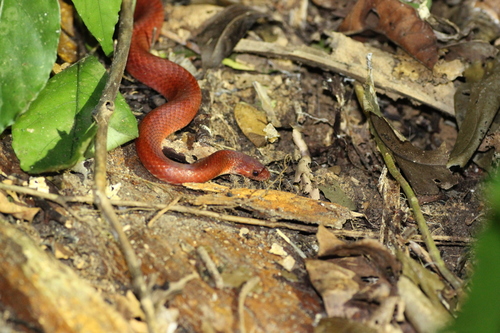 Boo-Liat's kukri snakeOligodon booliatiHarmless
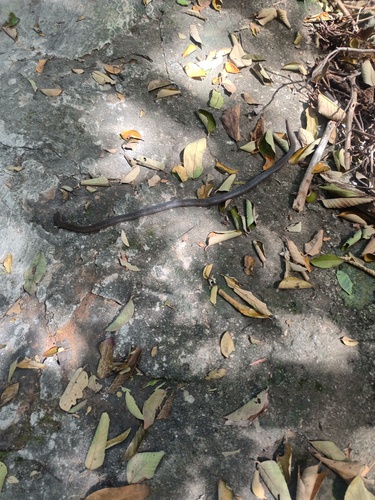 Con Dao Kukri SnakeOligodon condaoensisHarmless
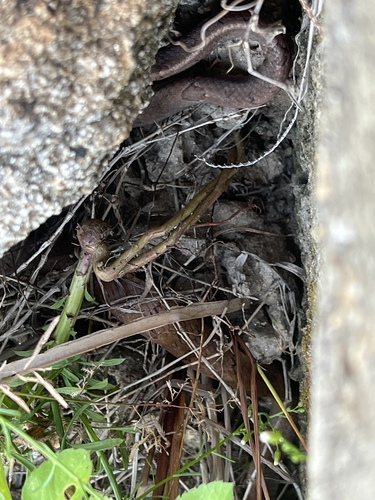 Cu Lao Cham Kukri SnakeOligodon culaochamensisHarmless
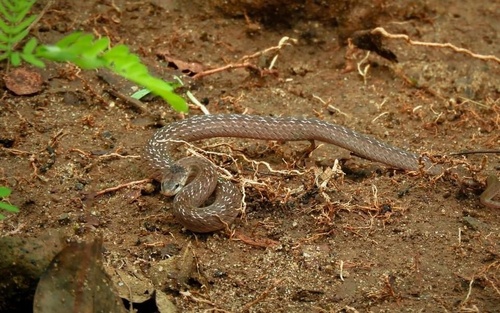 Flat-headed Kukri SnakeOligodon planicepsHarmless
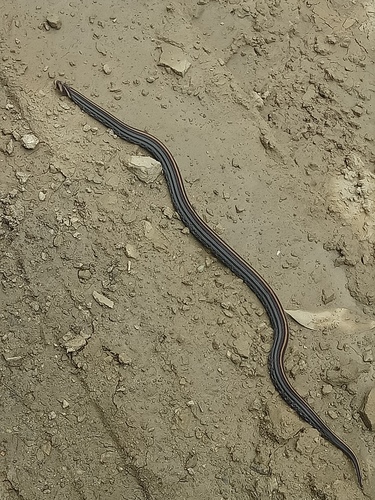 Hampton's Kukri SnakeOligodon hamptoniHarmless
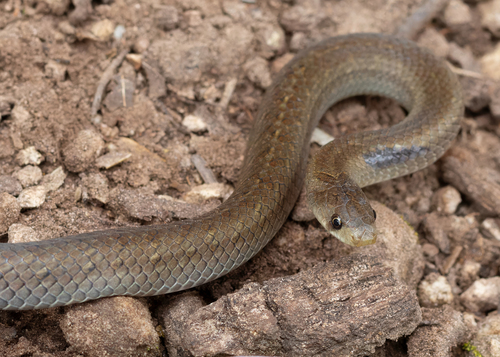 Inornate Kukri SnakeOligodon inornatusHarmless
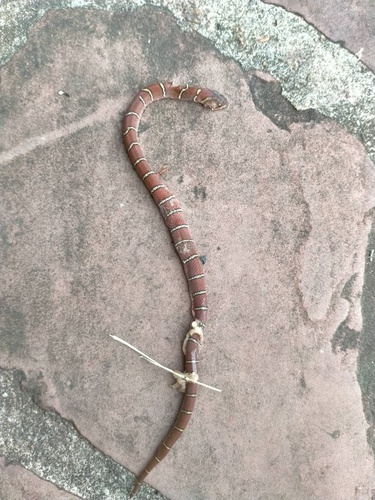 Oligodon teynieiHarmless
- No photoGarlanded Kukri SnakeOligodon torquatusHarmless
- No photoJavanese Kukri SnakeOligodon propinquusHarmless
Keep learning
- What Is a Snake? Anatomy and the BasicsA clear overview of what makes a snake a snake: limbless body plan, anatomy, evolution from lizards, species diversity, and why they are ectothermic.
- How Snakes Move, Hunt, and EatHow snakes move without legs, hunt as ambushers or active foragers, kill by constriction or venom, and swallow prey wider than their head.
- What Do Snakes Eat?All snakes are carnivores. Learn what snakes eat, how diet changes with size and age, how often they feed, and how they hunt and swallow prey.
- Venomous vs Nonvenomous: How to Tell the DifferenceThe folk rules for telling venomous snakes apart, where each one fails, and why location-based identification beats guessing by sight.