
Genus · Lamprophiidae
Montaspis
The genus Montaspis contains a single species. It is not considered dangerous to humans.
About Cream-spotted mountain snake
A single rare, secretive snake known only from the high grasslands of South Africa's Drakensberg.
Montaspis is a monotypic genus, meaning it contains just one described species, the Cream-spotted Mountain Snake (Montaspis gilvomaculata). It belongs to the family Lamprophiidae, a large and varied group of African and Madagascan snakes that includes house snakes, wolf snakes, and many other ground-dwelling forms. Within that family it sits among small to medium terrestrial snakes adapted to life on the ground rather than in trees or water. The genus was described relatively recently, in 1991, and remains one of the least-known snakes on the continent.
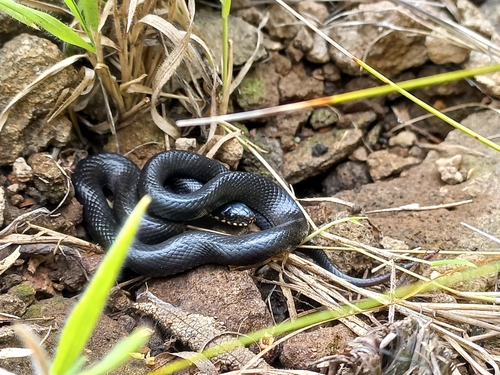
This species is found only in a small high-altitude area of the Drakensberg in KwaZulu-Natal, South Africa, where it lives in damp montane grassland near streams and seepage areas. It is a slender, dark snake, generally brown to blackish above with a pattern of pale cream spots or flecks that give it its common name, and a paler underside. As a ground-living lamprophiid it spends much of its time hidden under vegetation, rocks, and in moist cover, which is part of why so few specimens have ever been recorded.
Very little is documented about its diet, reproduction, and behavior because of how rarely it is encountered, but as a small terrestrial member of the lamprophiid radiation it is expected to feed on small prey such as frogs and other small animals found in its wet grassland habitat. Lamprophiids are generally not considered dangerous to people, and there is no evidence that this species poses a medical threat to humans. Even so, no wild snake should be handled, and any snakebite should be treated as a medical matter. In the United States contact Poison Control at 1-800-222-1222, and elsewhere contact your local emergency services.
Montaspis belongs to the Lamprophiidae family (African house snakes & allies). Common African snakes, including the familiar house snakes. Variable; many are smooth-scaled, secretive, and active at night.
Danger: Mostly harmless. A few are rear-fanged with mild venom of no medical significance.
All species (1)
Keep learning
- What Is a Snake? Anatomy and the BasicsA clear overview of what makes a snake a snake: limbless body plan, anatomy, evolution from lizards, species diversity, and why they are ectothermic.
- How Snakes Move, Hunt, and EatHow snakes move without legs, hunt as ambushers or active foragers, kill by constriction or venom, and swallow prey wider than their head.
- What Do Snakes Eat?All snakes are carnivores. Learn what snakes eat, how diet changes with size and age, how often they feed, and how they hunt and swallow prey.
- Venomous vs Nonvenomous: How to Tell the DifferenceThe folk rules for telling venomous snakes apart, where each one fails, and why location-based identification beats guessing by sight.