
Genus · Colubridae
Liopeltis
5 species make up the genus Liopeltis. None are considered dangerous to humans.
About reed snakes
Small, slender, harmless Asian colubrids that slip through leaf litter and low vegetation hunting soft-bodied prey.
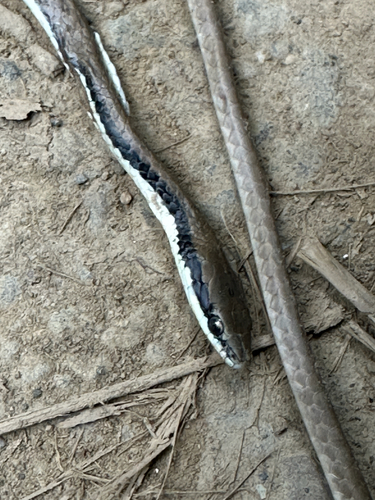
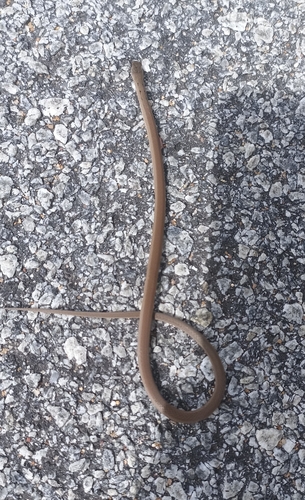
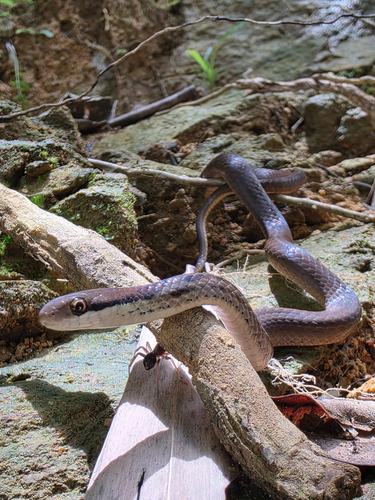
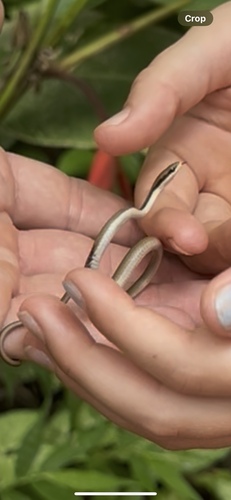
Liopeltis is a genus of small ground-dwelling snakes in the family Colubridae, the largest snake family on Earth. The genus is centered in South and Southeast Asia, and the snakes are commonly grouped under the plain-language name reed snakes alongside several other slim, secretive colubrids. Our database holds 5 species, including the Malayan Ringneck, the Calamaria Reed Snake, and the Philippine Liopeltine Snake.
These are diminutive snakes with smooth scales, slender bodies, and short heads that are barely distinct from the neck. Coloration tends toward plain browns, olives, and grays, sometimes with a faint stripe or a light collar near the neck in certain species. They are easy to overlook and easy to mistake for other small forest-floor snakes, so identification in the field is best confirmed by a regional herpetology guide rather than by a quick glance.
Liopeltis snakes are non-venomous and harmless to people. They have no venom apparatus and no medically significant bite, and they rely on staying hidden rather than on any chemical defense. As a general rule with any wild snake, the responsible move is to leave it alone and let it move off on its own. Avoid handling wild snakes you cannot confidently identify, and if anyone is ever bitten by an unknown snake, contact emergency services or US Poison Control at 1-800-222-1222 rather than guessing at the species.
Ecologically these snakes are quiet residents of forests, forest edges, plantations, and gardens, often found in damp ground cover, leaf litter, and low shrubbery. Like many small forest colubrids they feed on soft-bodied invertebrates and small prey such as insects, larvae, and worms. They are egg-laying snakes, and they tend to be shy and inoffensive, retreating quickly when disturbed.
Several Liopeltis species are poorly studied, and detailed natural-history records are thin for the more obscure members. What is well established is the family-level picture: they are harmless colubrids that play a small role in their ecosystems as predators of invertebrates and as prey for larger animals. For any species-specific detail, lean on current regional herpetological sources rather than assumptions.
Liopeltis belongs to the Colubridae family (Colubrids). The largest snake family, and the one most snakes you meet belong to. Typically round pupils, a head only slightly wider than the neck, and no heat-sensing facial pit or rattle. Scales may be smooth and glossy or keeled and matte depending on the species.
Danger: Almost all colubrids are harmless. A small number are rear-fanged with medically significant venom, the boomslang and the twig (vine) snakes of Africa being the dangerous exceptions. Most colubrids will flee or bluff rather than bite.
All species (5)
Keep learning
- What Is a Snake? Anatomy and the BasicsA clear overview of what makes a snake a snake: limbless body plan, anatomy, evolution from lizards, species diversity, and why they are ectothermic.
- How Snakes Move, Hunt, and EatHow snakes move without legs, hunt as ambushers or active foragers, kill by constriction or venom, and swallow prey wider than their head.
- What Do Snakes Eat?All snakes are carnivores. Learn what snakes eat, how diet changes with size and age, how often they feed, and how they hunt and swallow prey.
- Venomous vs Nonvenomous: How to Tell the DifferenceThe folk rules for telling venomous snakes apart, where each one fails, and why location-based identification beats guessing by sight.