
Genus · Lamprophiidae
Types of house snakes
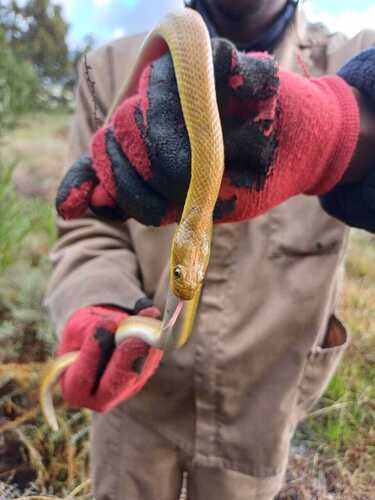
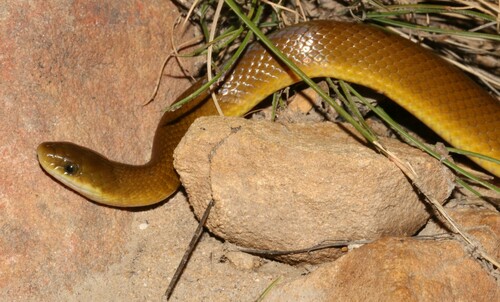
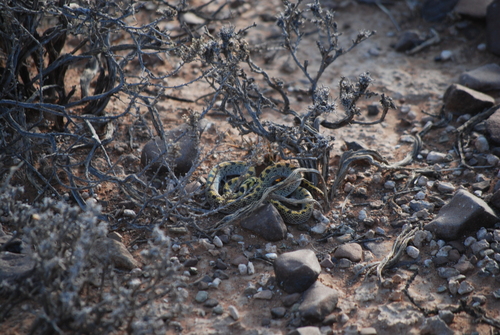
3 species make up the genus Lamprophis, the snakes commonly called house snakes. None are considered dangerous to humans.
About African house snakes
Lamprophis are nonvenomous African house snakes, small constrictors that thrive around human dwellings and live up to their reputation as gentle rodent hunters.
Lamprophis is a genus of small to medium snakes in the family Lamprophiidae, a large and varied group of mostly African and Madagascan snakes. The genus is best known by the common name house snakes, since several species are frequently found near farms, sheds, and homes where rodents gather. Over the years the genus has been reshuffled by taxonomists, with many former Lamprophis species moved to related genera such as Boaedon, so the exact roster depends on which classification you follow.
These snakes are spread across sub-Saharan Africa, from grasslands and savanna to scrub, rocky outcrops, and the edges of human settlements. Their willingness to live alongside people is part of what earned them the house snake name. They are largely terrestrial and nocturnal, sheltering by day under rocks, logs, debris, or inside outbuildings, and emerging at night to hunt.
Members are generally recognized by a slender, smooth-scaled body, a head only slightly distinct from the neck, and fairly plain coloration ranging from olive, brown, and reddish to gray, sometimes with pale stripes along the upper sides of the head. Sizes are modest, with most species falling roughly in the range of 0.5 to 1 meter. Because related African genera look similar, confident species-level identification often relies on locality and scale details rather than color alone.
Lamprophis house snakes are nonvenomous. They kill prey by constriction rather than venom, and they are not considered dangerous to people. A frightened snake may bite defensively, and any bite should be cleaned and watched for ordinary infection, but these are harmless constrictors, not medically significant snakes. As with any wild animal, the responsible approach is to observe and leave it alone rather than handle it.
Their diet centers on small mammals, especially rodents, which makes them valuable around grain stores and homesteads. Some also take lizards, frogs, nestling birds, and eggs. Like most lamprophiids they are egg-laying, with females depositing clutches of eggs that hatch into miniature versions of the adults. Calm temperament, manageable size, and easy feeding have also made several house snakes popular in captivity.
Lamprophis belongs to the Lamprophiidae family (African house snakes & allies). Common African snakes, including the familiar house snakes. Variable; many are smooth-scaled, secretive, and active at night.
Danger: Mostly harmless. A few are rear-fanged with mild venom of no medical significance.
All species (3)
Keep learning
- What Is a Snake? Anatomy and the BasicsA clear overview of what makes a snake a snake: limbless body plan, anatomy, evolution from lizards, species diversity, and why they are ectothermic.
- How Snakes Move, Hunt, and EatHow snakes move without legs, hunt as ambushers or active foragers, kill by constriction or venom, and swallow prey wider than their head.
- What Do Snakes Eat?All snakes are carnivores. Learn what snakes eat, how diet changes with size and age, how often they feed, and how they hunt and swallow prey.
- Venomous vs Nonvenomous: How to Tell the DifferenceThe folk rules for telling venomous snakes apart, where each one fails, and why location-based identification beats guessing by sight.