
Genus · Typhlopidae
Types of blindsnakes
2 species make up the genus Indotyphlops, the snakes commonly called blindsnakes. None are considered dangerous to humans.
About blind snakes
Tiny, worm-like burrowing snakes that spend almost their whole lives underground.
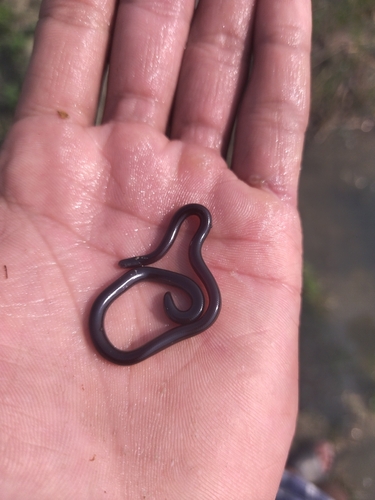
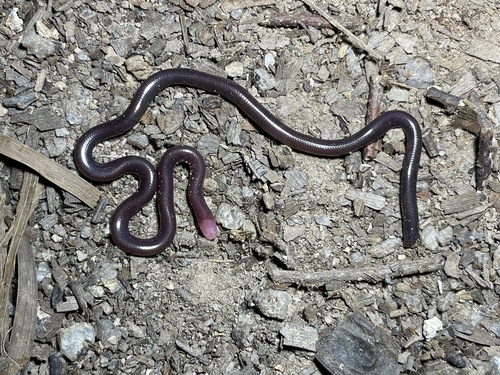
Indotyphlops is a genus of blind snakes in the family Typhlopidae, the typical blindsnakes. Members are small, slender, and cylindrical, looking far more like earthworms than like the snakes most people picture. The eyes are reduced to dark spots beneath translucent head scales, useful only for sensing light and dark, and the body is covered in smooth, uniform scales that let the animal slide easily through soil. The genus sits within a large family of fossorial snakes found across the warmer parts of the world, and its species are concentrated in South Asia and surrounding regions, with some now spread far beyond their original range.
The best known member is the Brahminy blindsnake, Indotyphlops braminus, one of the most widespread snakes on Earth. It is famous for being parthenogenetic, meaning females reproduce without males, so a single individual carried in the soil of a potted plant can establish a new population. That trait has earned it the nickname flowerpot snake and has spread it across tropical and subtropical regions worldwide through the horticultural trade. The White-headed blind snake is another member of the genus and shares the same secretive, burrowing way of life. These animals are harmless to people. They are not venomous, they do not bite in any meaningful way, and their tiny mouths are built for feeding on the eggs, larvae, and pupae of ants and termites.
Recognizing a blind snake in general terms is straightforward once you know what to look for: a very small, smooth, shiny, worm-shaped snake, often dark brown, gray, or purplish, with no obvious neck, no visible eyes, and a blunt tail that may end in a tiny spine. They are most often found in moist soil, leaf litter, under rocks or logs, in gardens, and inside ant or termite nests, where they hunt their prey. Because they are completely harmless, no special handling concern applies to this genus. If you are ever uncertain whether a snake is venomous, do not handle it, and for any snakebite emergency in the United States contact Poison Control at 1-800-222-1222 or your local emergency services.
Indotyphlops belongs to the Typhlopidae family (Blindsnakes). Tiny, worm-like burrowing snakes that raid ant and termite nests. Looks like a small, glossy earthworm with smooth scales and no obvious neck, eyes, or pattern.
Danger: Harmless. They do not bite people and have no venom.
All species (2)
Keep learning
- What Is a Snake? Anatomy and the BasicsA clear overview of what makes a snake a snake: limbless body plan, anatomy, evolution from lizards, species diversity, and why they are ectothermic.
- How Snakes Move, Hunt, and EatHow snakes move without legs, hunt as ambushers or active foragers, kill by constriction or venom, and swallow prey wider than their head.
- What Do Snakes Eat?All snakes are carnivores. Learn what snakes eat, how diet changes with size and age, how often they feed, and how they hunt and swallow prey.
- Venomous vs Nonvenomous: How to Tell the DifferenceThe folk rules for telling venomous snakes apart, where each one fails, and why location-based identification beats guessing by sight.