
Genus · Colubridae
Types of groundsnakes
5 species make up the genus Hypsirhynchus, the snakes commonly called groundsnakes. None are considered dangerous to humans.
About West Indian racers and ground snakes
Hypsirhynchus is a small group of harmless ground-dwelling colubrids found only on the islands of the Caribbean.
Hypsirhynchus is a genus in the family Colubridae, the largest and most diverse snake family in the world. Colubrids account for a majority of living snake species, and most of them are slender, agile, non-constricting or weakly constricting snakes that pose no threat to people. Hypsirhynchus sits within the West Indian radiation of colubrids, a group of snakes that diversified across the islands of the Caribbean over millions of years of isolation.
The genus is endemic to the Greater Antilles and nearby islands, with members recorded from Hispaniola, Jamaica, and surrounding land. Several species carry island-specific common names that reflect this, such as Cope's Antilles Snake, the Jamaican Red Groundsnake, the Hispaniola Cat-eyed Snake, and the Jamaican Long-tailed Groundsnake. Because these snakes live on islands and many have restricted ranges, some are uncommon and of conservation interest.
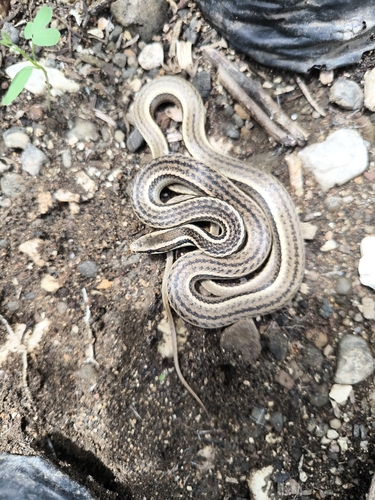
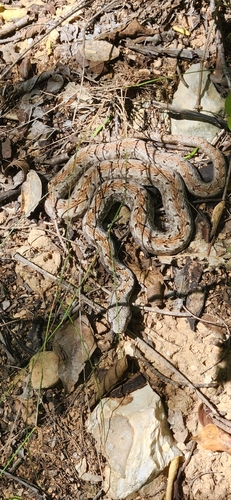
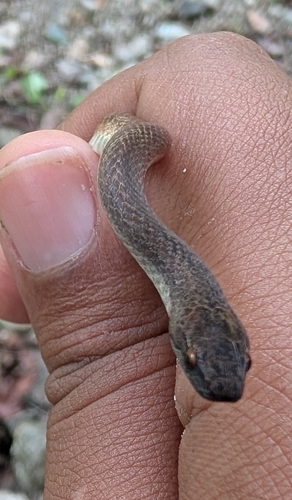
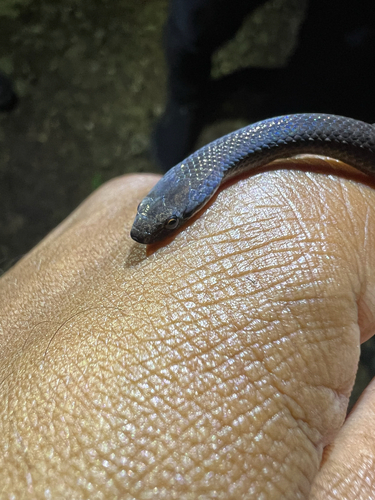
Like most ground-dwelling West Indian colubrids, members of Hypsirhynchus are typically modest in size, with smooth or lightly keeled scales, a fairly slender body, and a head that is only slightly distinct from the neck. Coloration varies by species and can include browns, reddish tones, and patterned markings that help with camouflage in leaf litter and low vegetation. Identification to the exact species generally depends on locality, since which species you are looking at is largely determined by which island you are on.
These snakes are not dangerous to humans. They are not front-fanged venomous snakes like vipers or elapids. Some Caribbean colubrids in this broader group are technically rear-fanged, meaning they have enlarged grooved teeth toward the back of the jaw and mild saliva used to subdue small prey, but any such effect is geared toward lizards and small animals and is not considered medically significant to people. The safest and most respectful approach to any wild snake is to observe it and leave it undisturbed rather than handle it. If a bite from any snake ever causes unusual or worsening symptoms, contact US Poison Control at 1-800-222-1222 or your local emergency services.
Ecologically, these are active foragers of the ground and low cover. Caribbean ground snakes of this type commonly feed on lizards, frogs, and other small vertebrates, hunting by sight and movement during the day or at dusk. Like the vast majority of colubrids, they reproduce by laying eggs. Their behavior is generally shy and retiring, and they rely on crypsis and quick escape rather than aggression when threatened.
Hypsirhynchus belongs to the Colubridae family (Colubrids). The largest snake family, and the one most snakes you meet belong to. Typically round pupils, a head only slightly wider than the neck, and no heat-sensing facial pit or rattle. Scales may be smooth and glossy or keeled and matte depending on the species.
Danger: Almost all colubrids are harmless. A small number are rear-fanged with medically significant venom, the boomslang and the twig (vine) snakes of Africa being the dangerous exceptions. Most colubrids will flee or bluff rather than bite.
All species (5)
Keep learning
- What Is a Snake? Anatomy and the BasicsA clear overview of what makes a snake a snake: limbless body plan, anatomy, evolution from lizards, species diversity, and why they are ectothermic.
- How Snakes Move, Hunt, and EatHow snakes move without legs, hunt as ambushers or active foragers, kill by constriction or venom, and swallow prey wider than their head.
- What Do Snakes Eat?All snakes are carnivores. Learn what snakes eat, how diet changes with size and age, how often they feed, and how they hunt and swallow prey.
- Venomous vs Nonvenomous: How to Tell the DifferenceThe folk rules for telling venomous snakes apart, where each one fails, and why location-based identification beats guessing by sight.