
Genus · Viperidae
Types of vipers
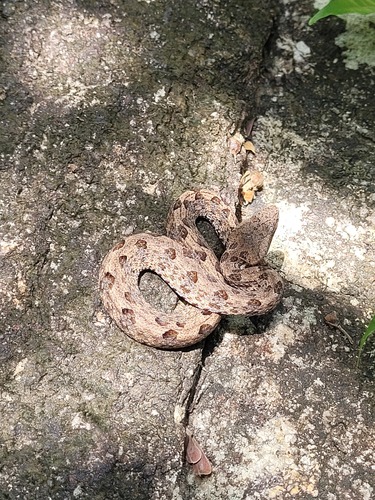
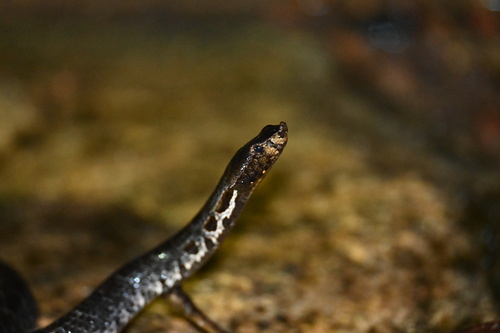
3 species make up the genus Hypnale, the snakes commonly called vipers. All of them are venomous.
About hump-nosed pit vipers
Small South Asian pit vipers named for the upturned snout that gives each species a distinctive hump-nosed profile.
Hypnale is a genus of venomous snakes in the family Viperidae, sitting within the pit viper group (subfamily Crotalinae). Like all pit vipers, members carry a pair of heat-sensing pits set between the eye and the nostril, which they use to detect warm-blooded prey. The genus is small, with only a handful of recognized species, and is defined in part by the slightly upturned, raised snout that earns these snakes the name hump-nosed vipers.
These are snakes of South Asia. The genus is restricted to Sri Lanka and the Western Ghats and surrounding lowlands of southern India. Within that range they occupy a variety of settings, from forest floor leaf litter and plantations to scrubland, gardens, and the edges of agricultural land. Their tolerance for human-modified habitat means encounters with people are not unusual where they occur.
In general terms, Hypnale species are small and stout-bodied vipers, typically well under a meter long, with a triangular head distinct from the neck and the characteristic upturned snout. The vertical pupil and the facial heat pit mark them as pit vipers rather than harmless lookalikes. Color tends toward brown and grey tones with darker blotching, which provides good camouflage against soil and leaf litter where they ambush prey.
These snakes are venomous and should be treated as medically significant. The hump-nosed viper in particular is a frequent cause of snakebite within its range, and bites can cause local tissue damage and, in some cases, serious systemic effects including kidney injury. Do not attempt to handle, capture, or kill a wild hump-nosed viper. If a bite occurs, treat it as a medical emergency: keep the person calm and still, immobilize the limb, and seek hospital care immediately. In the United States contact Poison Control at 1-800-222-1222, and elsewhere call local emergency services.
Ecologically, Hypnale vipers are ambush predators. They feed on small prey such as lizards, frogs, small mammals, and invertebrates, lying in wait among litter and striking when prey comes within range. They are largely nocturnal and crepuscular and tend to be slow-moving, relying on camouflage rather than flight. Reproduction in this genus is live-bearing, as is typical of many pit vipers, with females giving birth to fully formed young rather than laying eggs.
Hypnale belongs to the Viperidae family (Vipers & pit vipers). Heavy-bodied venomous snakes with long, hinged, hollow fangs. Broad, triangular head distinct from a narrow neck, heavy body, and (usually) vertical, cat-like pupils. Pit vipers also have a heat-sensing pit; true vipers do not.
Danger: Every viper is venomous, and the family includes some of the world's most medically important snakes. Venom is typically hemotoxic, causing pain, swelling, tissue damage, and bleeding. Treat any viper bite as a medical emergency.
All species (3)

Keep learning
- Venomous vs Nonvenomous: How to Tell the DifferenceThe folk rules for telling venomous snakes apart, where each one fails, and why location-based identification beats guessing by sight.
- Are Snakes Dangerous? The Real Risk, in PerspectiveMost snakes are harmless and avoid people. Here is the honest picture of snakebite risk worldwide and how to lower your own.
- Snake Venom Explained: How It Works and WhyWhat snake venom actually is, why it evolved, the main venom types, fang delivery, how antivenom works, and why ranking the most venomous snake is hard.
- How Snakes Move, Hunt, and EatHow snakes move without legs, hunt as ambushers or active foragers, kill by constriction or venom, and swallow prey wider than their head.