
Genus · Colubridae
Hydromorphus
The genus Hydromorphus contains a single species. It is not considered dangerous to humans.
About Central American water snakes
A tiny genus of secretive, harmless aquatic colubrids that hunt in the streams and wetlands of Central America.
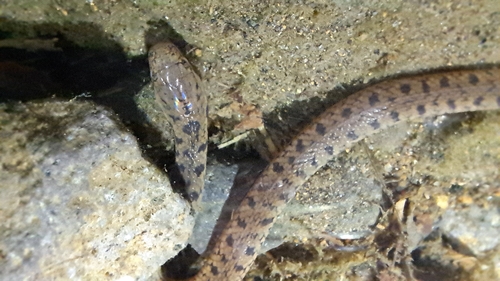
Hydromorphus is a small genus in the family Colubridae, the largest and most diverse snake family on Earth. The genus is best known from the Costa Rica Water Snake (Hydromorphus concolor), a slender, water-associated snake found in Costa Rica and nearby parts of Central America. Like most colubrids, these are non-front-fanged snakes built for an active, low-profile life rather than for confrontation, and they sit among the many semi-aquatic colubrid lineages that exploit freshwater habitats across the Neotropics.
Members of Hydromorphus live in and around water. They favor streams, slow creeks, marshy ground, and the moist leaf litter of humid lowland and foothill forest, often staying hidden by day and moving at night or after rain. Recognizing them in the field comes down to general cues rather than bright markings: a smooth, fairly uniform body, a build suited to slipping through water and wet vegetation, and a tendency to be encountered near streams rather than in dry open country. Coloration tends toward plain, muted tones, which is typical of secretive aquatic colubrids and part of why the group is rarely noticed.
These snakes are harmless to people. They are not vipers and they are not among the dangerous elapids, and there is no evidence that they pose a medical threat to humans. Their ecology centers on small aquatic and moist-ground prey, the kind of diet common to water-associated colubrids, and like many snakes in this family they are likely egg layers, though detailed life-history data for such an obscure genus are limited. The honest and safe approach with any wild snake you cannot positively identify is to leave it alone and observe from a distance; if a bite ever occurs and the snake's identity is uncertain, contact emergency services or, in the United States, Poison Control at 1-800-222-1222 rather than attempting first aid yourself.
Hydromorphus belongs to the Colubridae family (Colubrids). The largest snake family, and the one most snakes you meet belong to. Typically round pupils, a head only slightly wider than the neck, and no heat-sensing facial pit or rattle. Scales may be smooth and glossy or keeled and matte depending on the species.
Danger: Almost all colubrids are harmless. A small number are rear-fanged with medically significant venom, the boomslang and the twig (vine) snakes of Africa being the dangerous exceptions. Most colubrids will flee or bluff rather than bite.
All species (1)
Keep learning
- What Is a Snake? Anatomy and the BasicsA clear overview of what makes a snake a snake: limbless body plan, anatomy, evolution from lizards, species diversity, and why they are ectothermic.
- How Snakes Move, Hunt, and EatHow snakes move without legs, hunt as ambushers or active foragers, kill by constriction or venom, and swallow prey wider than their head.
- What Do Snakes Eat?All snakes are carnivores. Learn what snakes eat, how diet changes with size and age, how often they feed, and how they hunt and swallow prey.
- Venomous vs Nonvenomous: How to Tell the DifferenceThe folk rules for telling venomous snakes apart, where each one fails, and why location-based identification beats guessing by sight.