
Genus · Lamprophiidae
Types of ground snakes
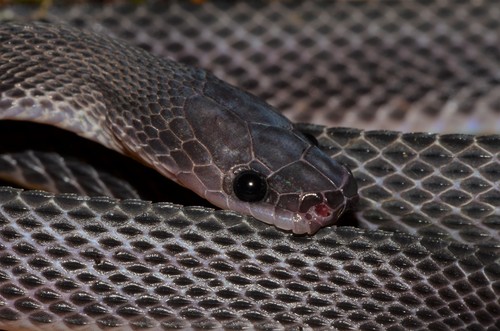
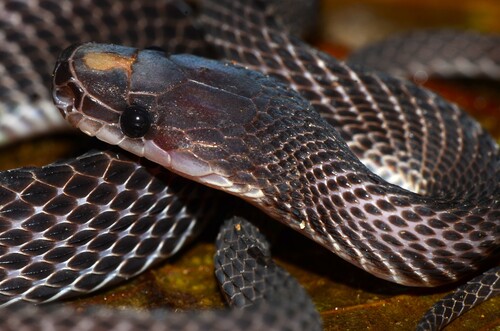
2 species make up the genus Gonionotophis, the snakes commonly called ground snakes. None are considered dangerous to humans.
About African ground snakes
Small, secretive African ground snakes that hunt by constriction and pose no danger to people.
Gonionotophis is a small genus of African snakes in the family Lamprophiidae, the dominant group of land snakes across sub-Saharan Africa and Madagascar. Lamprophiids are an enormously varied family that includes house snakes, file snakes, wolf snakes, and many ground-dwelling specialists, and Gonionotophis sits among the terrestrial members. The genus has been repeatedly revised by herpetologists, with several species shuffled in and out as molecular work clarified relationships, so different sources may list its boundaries differently. The two species represented here are Mocquard's African ground snake and Matschie's African ground snake, both named for the museum naturalists who first described related African herpetofauna.
These are snakes of the African mainland, generally associated with forest floor, leaf litter, and the moist low cover of woodland and savanna edges. Like many ground-living lamprophiids, they are modestly sized, slender to moderately built, and dressed in muted browns and grays that blend into soil and litter. They are not snakes most people encounter, because they spend their time low, hidden, and often active at dusk or night. Recognition in the field is difficult for any single obscure species, so the safest practical rule is to treat a small, plain, ground-dwelling African snake as something to identify carefully and leave alone rather than to handle.
Gonionotophis snakes are non-venomous and harmless to humans. Like their lamprophiid relatives that take prey by constriction, they are built to subdue small animals such as other reptiles, amphibians, and invertebrates rather than to deliver a medically significant bite, and the family includes many egg-laying species. They are not aggressive and present no threat in the way a true venomous snake does. That said, no one should assume the identity of a wild snake on sight. If a person is bitten by any snake they cannot confidently identify, or if symptoms appear, treat it as a medical situation and contact emergency services or, in the United States, Poison Control at 1-800-222-1222.
Gonionotophis belongs to the Lamprophiidae family (African house snakes & allies). Common African snakes, including the familiar house snakes. Variable; many are smooth-scaled, secretive, and active at night.
Danger: Mostly harmless. A few are rear-fanged with mild venom of no medical significance.
All species (2)
Keep learning
- What Is a Snake? Anatomy and the BasicsA clear overview of what makes a snake a snake: limbless body plan, anatomy, evolution from lizards, species diversity, and why they are ectothermic.
- How Snakes Move, Hunt, and EatHow snakes move without legs, hunt as ambushers or active foragers, kill by constriction or venom, and swallow prey wider than their head.
- What Do Snakes Eat?All snakes are carnivores. Learn what snakes eat, how diet changes with size and age, how often they feed, and how they hunt and swallow prey.
- Venomous vs Nonvenomous: How to Tell the DifferenceThe folk rules for telling venomous snakes apart, where each one fails, and why location-based identification beats guessing by sight.