
Genus · Homalopsidae
Gerarda
The genus Gerarda contains a single species. It is not considered dangerous to humans.
About Cat-eyed fishing snakes
A tiny, specialized water snake of Asian mangroves that eats crabs by tearing them apart.
Gerarda is a small genus in the family Homalopsidae, the Indo-Australian water and mud snakes. The family groups together aquatic and semi-aquatic, rear-fanged species adapted to estuaries, mudflats, mangroves, and slow fresh water. Gerarda holds the Cat-eyed Fishing Snake (Gerarda prevostiana), the single widely recognized member, and sits among relatives like the dog-faced water snakes (Cerberus) and the crab-eating snakes (Fordonia) that share the same coastal, brackish way of life.
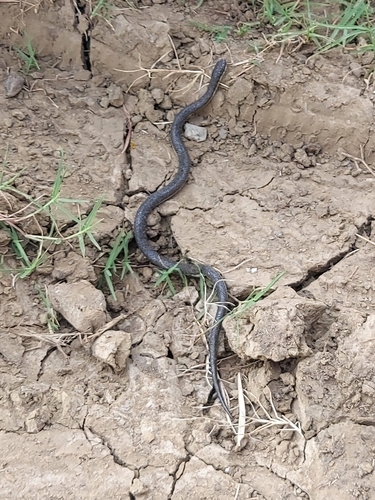
Members are physically modest snakes, typically well under a meter, with smooth scales, a cylindrical body, and the small upward-set eyes that give the group its name. Like other homalopsids, they have valvular nostrils suited to muddy, tidal water. They live in mangrove swamps, tidal creeks, and brackish coastal habitat across parts of South and Southeast Asia, where they hunt at night and shelter in burrows and mud at low tide. They are seldom seen because of this secretive, tide-bound routine.
Gerarda is rear-fanged and mildly venomous, with venom used to subdue soft prey rather than to threaten people. It is not considered dangerous to humans and there are no records of serious envenomation, but no wild snake should be picked up or handled, and any bite that causes spreading pain, swelling, or unusual symptoms warrants a call to US Poison Control at 1-800-222-1222 or local emergency services. Its diet is notable: it feeds heavily on freshly molted, soft crabs, holding the prey in a loop of its body and tearing off bite-sized pieces, a feeding behavior unusual among snakes. Like many homalopsids it bears live young rather than laying eggs.
Gerarda belongs to the Homalopsidae family (Mud & water snakes). Aquatic, mud-dwelling snakes with upward-facing eyes and nostrils. Stout, often drab snakes with upturned nostrils, found in or near muddy water.
Danger: Rear-fanged with mild venom; not considered dangerous to humans.
All species (1)
Keep learning
- What Is a Snake? Anatomy and the BasicsA clear overview of what makes a snake a snake: limbless body plan, anatomy, evolution from lizards, species diversity, and why they are ectothermic.
- How Snakes Move, Hunt, and EatHow snakes move without legs, hunt as ambushers or active foragers, kill by constriction or venom, and swallow prey wider than their head.
- What Do Snakes Eat?All snakes are carnivores. Learn what snakes eat, how diet changes with size and age, how often they feed, and how they hunt and swallow prey.
- Venomous vs Nonvenomous: How to Tell the DifferenceThe folk rules for telling venomous snakes apart, where each one fails, and why location-based identification beats guessing by sight.