
Genus · Colubridae
Types of earth snakes
40+ species make up the genus Geophis, the snakes commonly called earth snakes. None are considered dangerous to humans.
About earth snakes
A genus of small, secretive burrowing snakes from the forests of Mexico and Central America that spend their lives in moist soil and leaf litter.
Geophis is a genus of small snakes in the family Colubridae, the largest and most diverse snake family in the world. The name comes from Greek roots meaning earth snake, which captures how these animals live: almost entirely on or under the ground. Our database tracks 40+ species, and the genus is sometimes grouped with the common name earth snakes because of this burrowing, soil dwelling habit. New species are still described from time to time, a sign of how easy these small, hidden snakes are to overlook.
The genus is centered on Mexico and Central America. Members range from northern and central Mexico south through Guatemala, Honduras, Costa Rica, and Panama, with some species reaching into northwestern South America. Many species have small ranges tied to particular mountains or forests, which is part of why the genus has so many members. Typical habitat is humid forest, cloud forest, and montane areas, where the snakes shelter in leaf litter, damp soil, rotting logs, and under rocks and surface debris.
Recognizing a Geophis in general terms means looking for a small snake, usually under a foot to around a foot and a half long, with a cylindrical body, a short tail, and a small head that is barely set off from the neck. The eyes are small, fitting a life spent underground. Scales may be smooth or keeled depending on the species. Color varies across the genus, from plain browns and grays to darker forms and some with red or banded patterning. Because many species look alike and ranges overlap with other small snakes, reliable identification often depends on locality and scale details rather than color alone.
Geophis are not considered dangerous to people. They are small, secretive, and not aggressive, and they are not known to cause medically significant envenomation in humans. They belong to a colubrid lineage that lacks the front fangs and potent venom of vipers and elapids. As a general rule with any wild snake, the safe approach is to observe and not handle it, because field identification is unreliable and even harmless snakes can bite if grabbed. If a bite from any snake causes worrying symptoms, contact emergency services or US Poison Control at 1-800-222-1222 rather than trying to treat it yourself.
Ecologically, earth snakes are specialized feeders of the forest floor. Most prey on soft bodied invertebrates such as earthworms, slugs, and snails, which they hunt through soil and leaf litter where these are plentiful. They are egg laying, producing small clutches, and they spend much of their time concealed, becoming active in humid conditions and at night or after rain. Their quiet, fossorial lifestyle makes them an underappreciated but important part of the forest floor food web across Mexico and Central America.
Geophis belongs to the Colubridae family (Colubrids). The largest snake family, and the one most snakes you meet belong to. Typically round pupils, a head only slightly wider than the neck, and no heat-sensing facial pit or rattle. Scales may be smooth and glossy or keeled and matte depending on the species.
Danger: Almost all colubrids are harmless. A small number are rear-fanged with medically significant venom, the boomslang and the twig (vine) snakes of Africa being the dangerous exceptions. Most colubrids will flee or bluff rather than bite.
All species (41)
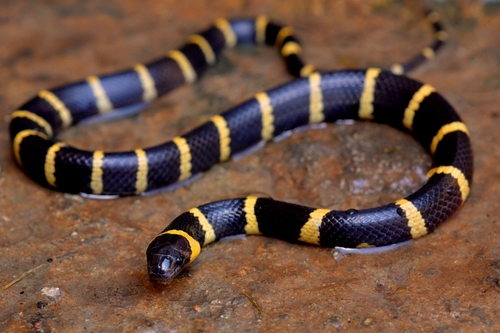 Terrestrial Snail SuckerGeophis sartoriiHarmless
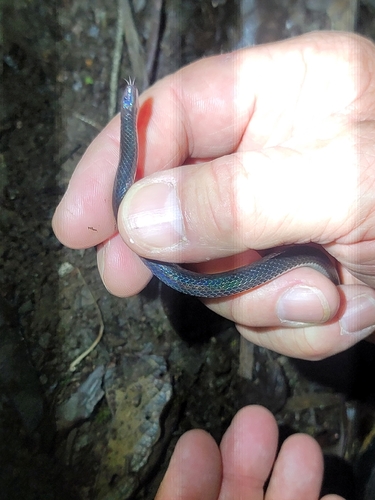 Hoffmann's Earth SnakeGeophis hoffmanniHarmless
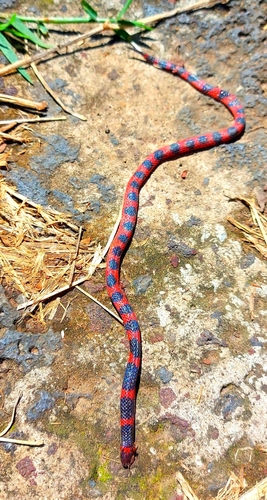 Coral Earth SnakeGeophis semidoliatusHarmless
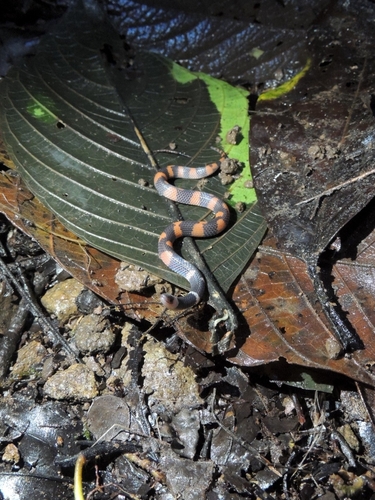 Gray Earth SnakeGeophis brachycephalusHarmless
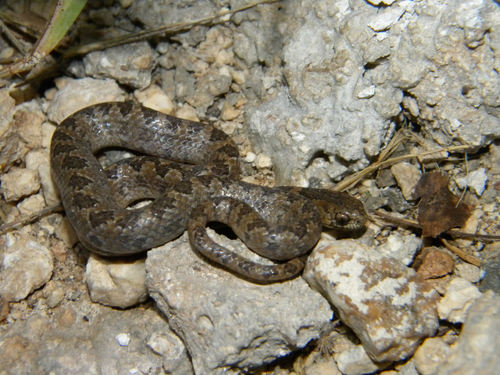 Pygmy Snail SuckerGeophis sanniolusHarmless
 Potosí Earth SnakeGeophis latifrontalisHarmless
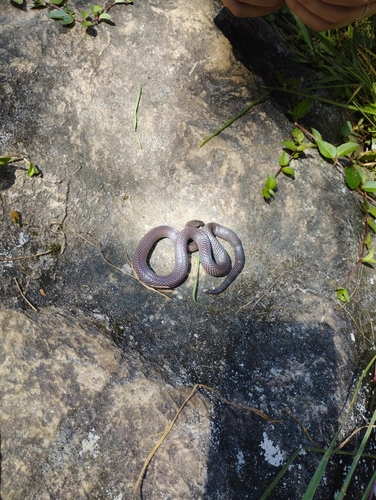 Highland Earth SnakeGeophis mutitorquesHarmless
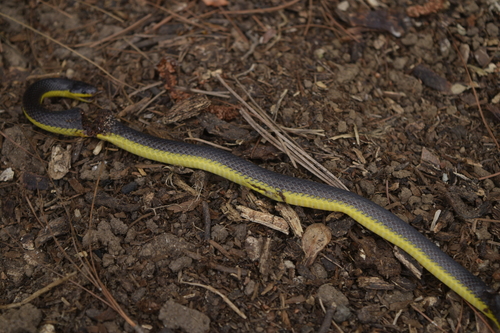 Rosebelly Earth SnakeGeophis rhodogasterHarmless
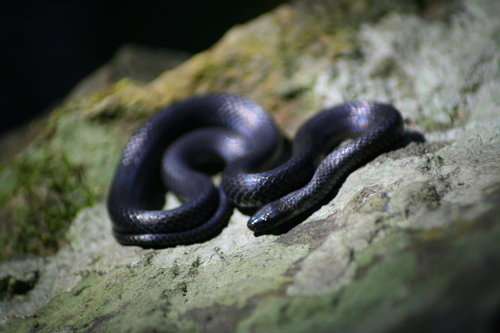 Dugès' Earth SnakeGeophis dugesiiHarmless
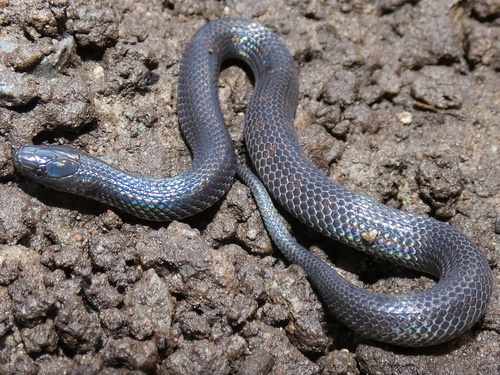 Black-tailed Worm SnakeGeophis talamancaeHarmless
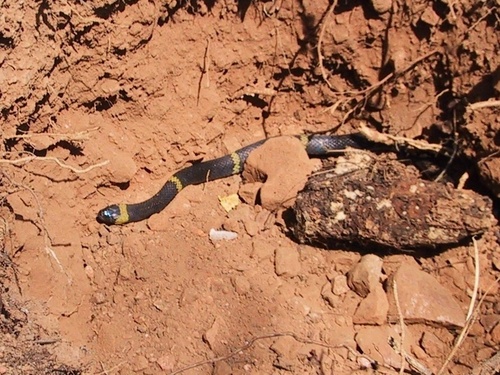 Western Snail-Eating SnakeGeophis annuliferusHarmless
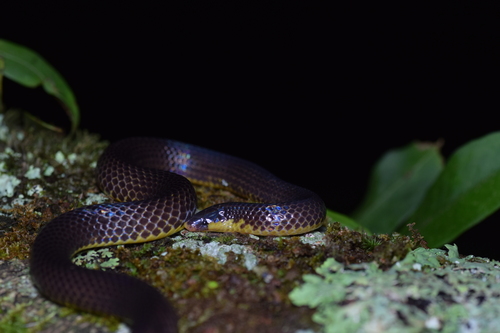 Godman's Earth SnakeGeophis godmaniHarmless
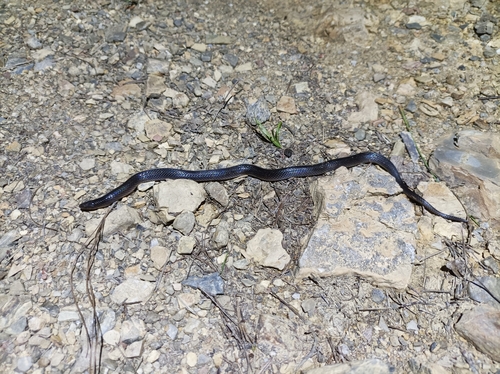 Mesa del Sur Earth SnakeGeophis dubiusHarmless
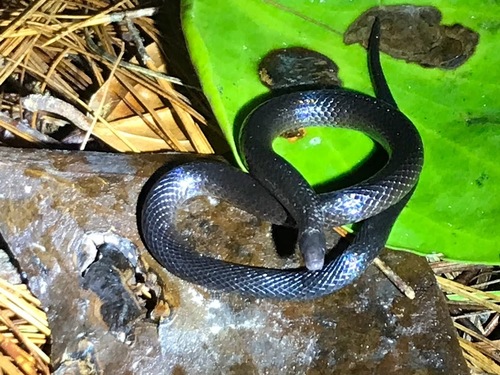 Cloud Forest Earth SnakeGeophis nephodrymusHarmless
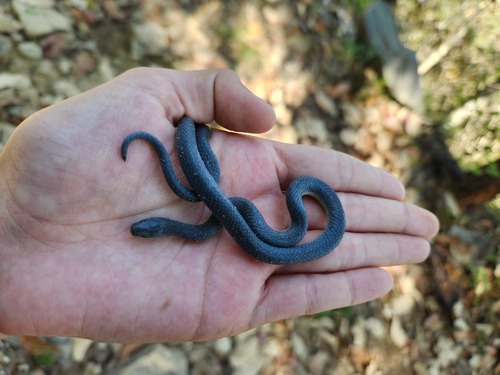 Mexican Plateau Earth SnakeGeophis bicolorHarmless
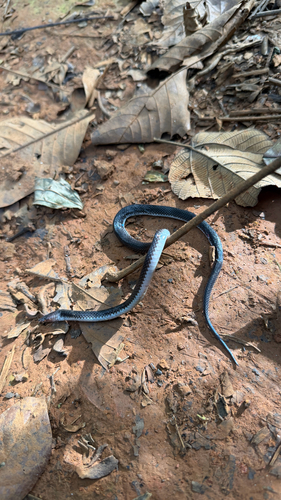 Colombian Earth SnakeGeophis nigroalbusHarmless
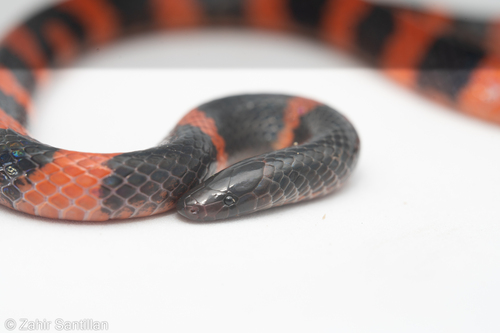 Loranca's Earth SnakeGeophis lorancaiHarmless
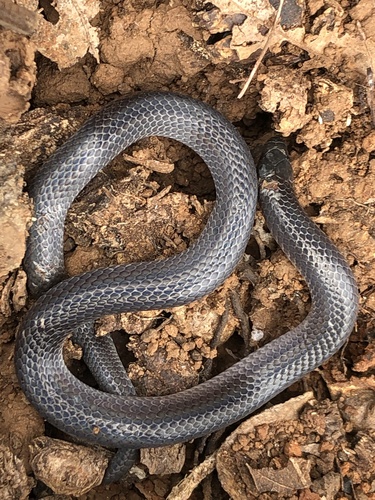 Peters' Earth SnakeGeophis petersiiHarmless
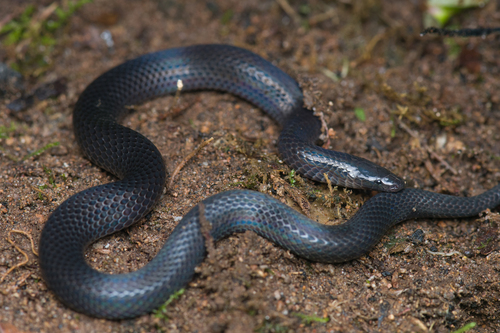 Coffee Earth SnakeGeophis nasalisHarmless
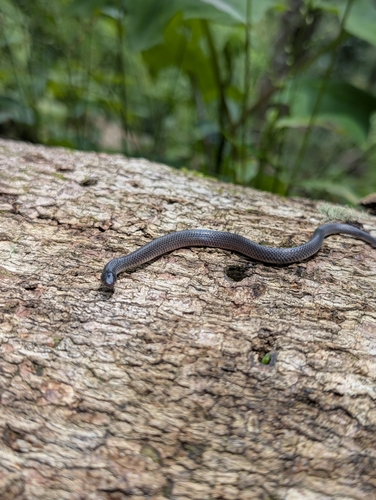 Sallae's Earth SnakeGeophis sallaeiHarmless
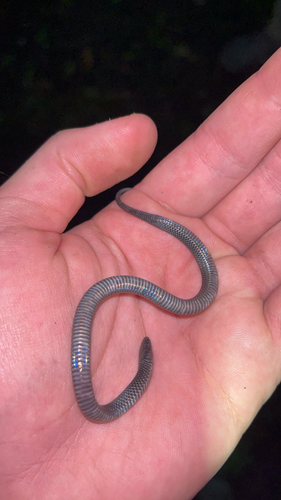 Dark-bellied Worm SnakeGeophis zeledoniHarmless
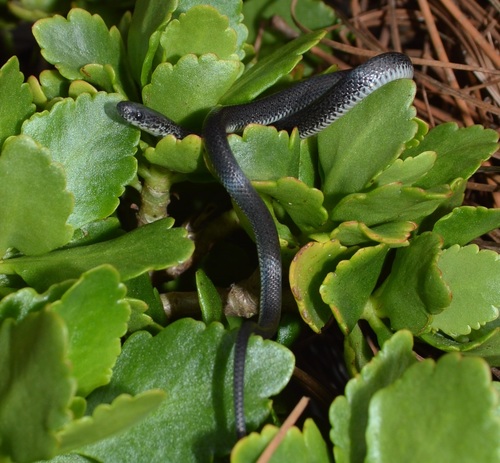 Tarascan Earth SnakeGeophis tarascaeHarmless
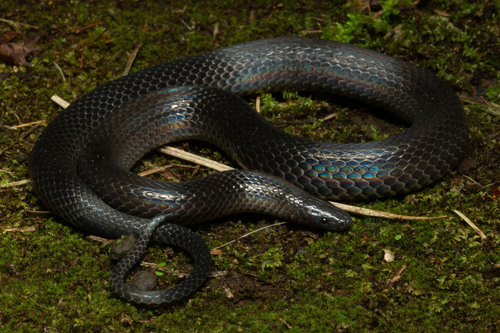 Keeled Earth SnakeGeophis carinosusHarmless
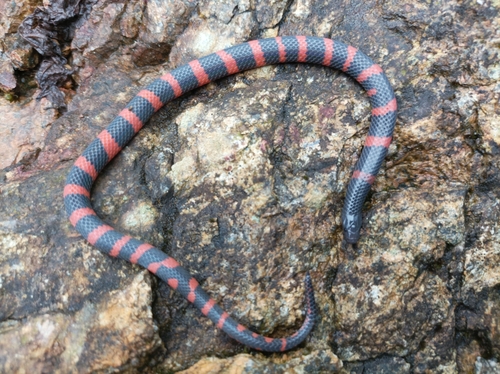 Sierra Juarez Earth SnakeGeophis duellmaniHarmless
 Altos de Pacora Earth SnakeGeophis bellusHarmless
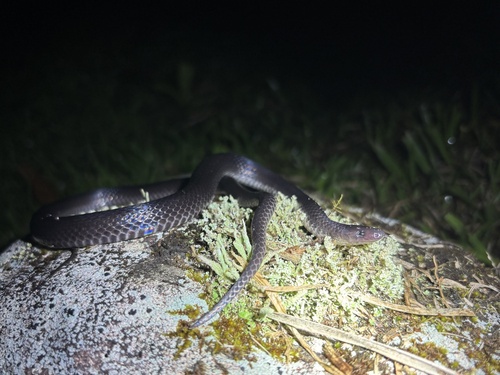 Ruthven's Earth SnakeGeophis ruthveniHarmless
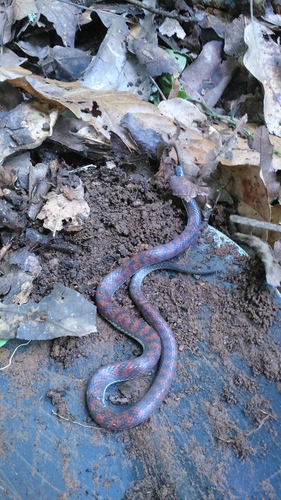 Widecollar Earth SnakeGeophis laticollarisHarmless
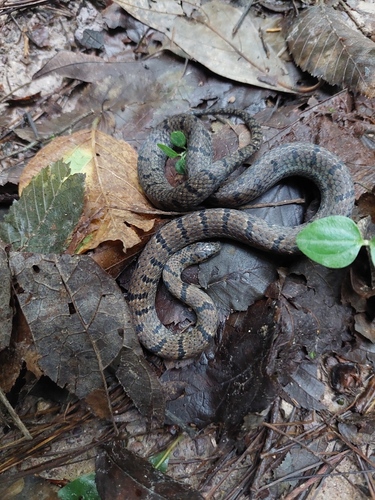 Black-banded Earth SnakeGeophis nigrocinctusHarmless
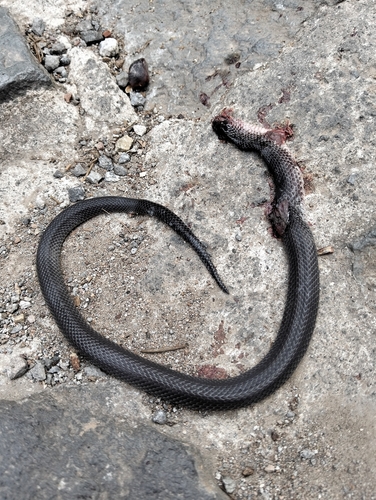 Geophis berillusHarmless
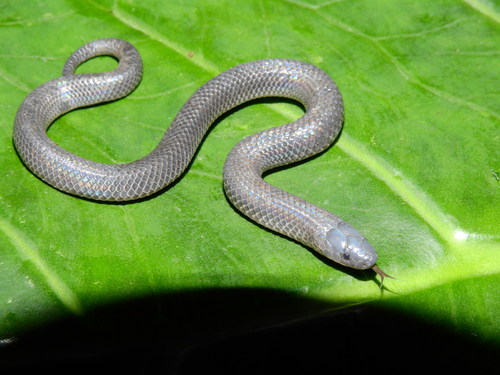 Pyburn's Earth SnakeGeophis pyburniHarmless
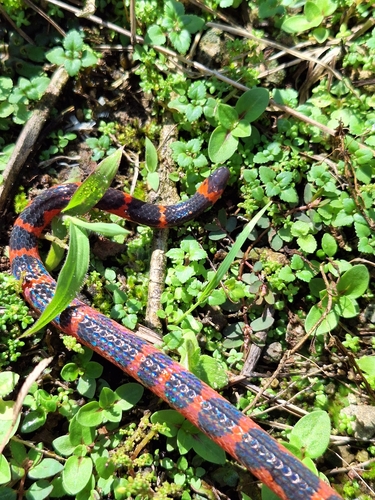 Chiapas Earth SnakeGeophis cancellatusHarmless
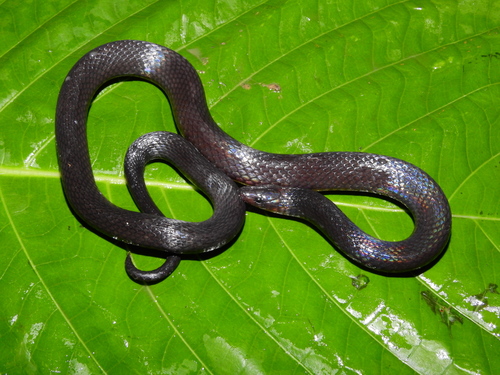 El Molote Earth SnakeGeophis occabusHarmless
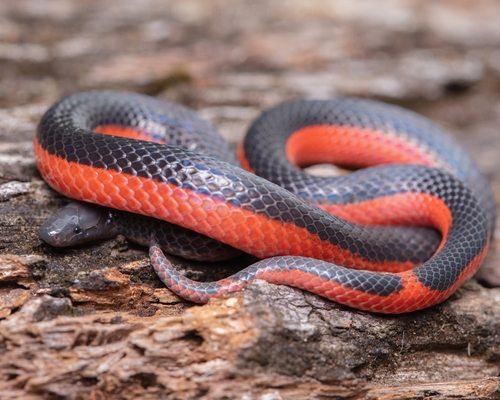 Geophis cansecoiHarmless
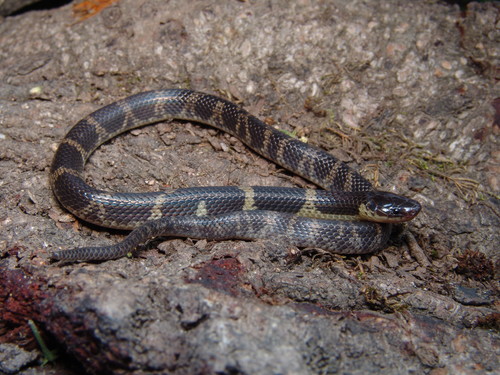 Guerreran Earth SnakeGeophis omiltemanusHarmless
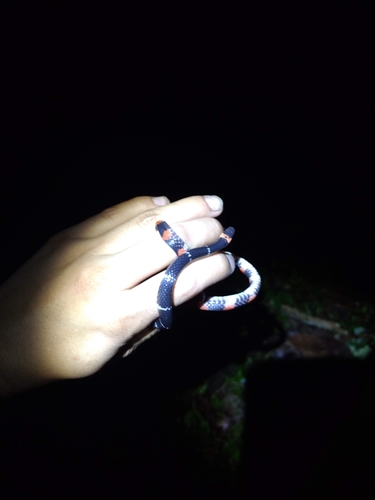 Mesa Central Earth SnakeGeophis laticinctusHarmless
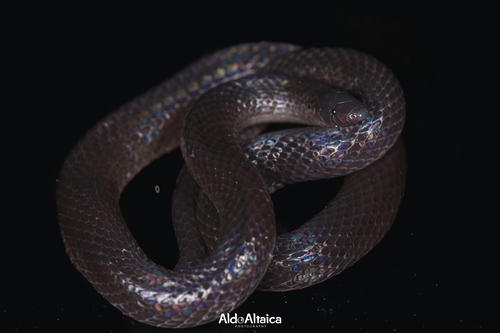 Sierra Mije Earth SnakeGeophis anocularisHarmless
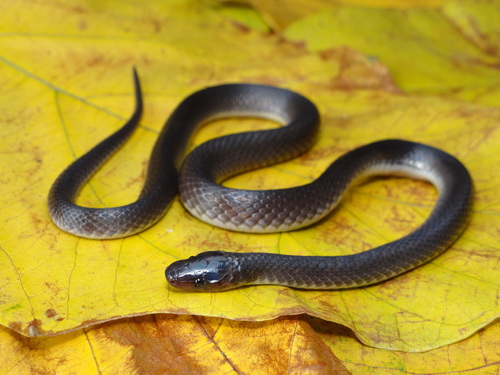 Siebold's Earth SnakeGeophis sieboldiHarmless
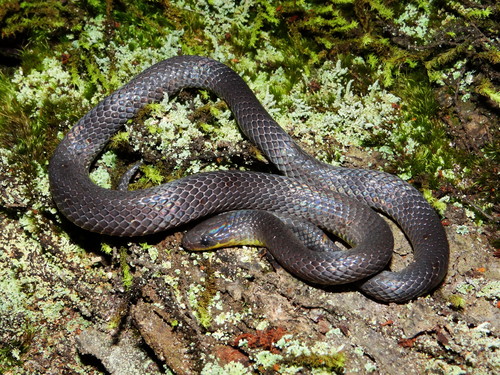 Sierra Coalcoman Earth SnakeGeophis incomptusHarmless
- No photoHonduran Red-banded Earth SnakeGeophis damianiHarmless
- No photoBlanchard's Earth SnakeGeophis blanchardiHarmless
- No photoDowns' Earth SnakeGeophis immaculatusHarmless
Keep learning
- What Is a Snake? Anatomy and the BasicsA clear overview of what makes a snake a snake: limbless body plan, anatomy, evolution from lizards, species diversity, and why they are ectothermic.
- How Snakes Move, Hunt, and EatHow snakes move without legs, hunt as ambushers or active foragers, kill by constriction or venom, and swallow prey wider than their head.
- What Do Snakes Eat?All snakes are carnivores. Learn what snakes eat, how diet changes with size and age, how often they feed, and how they hunt and swallow prey.
- Venomous vs Nonvenomous: How to Tell the DifferenceThe folk rules for telling venomous snakes apart, where each one fails, and why location-based identification beats guessing by sight.