
Genus · Pseudoxyrhophiidae
Types of slug-eaters
4 species make up the genus Duberria, the snakes commonly called slug-eaters. None are considered dangerous to humans.
About African slug-eaters
Small, mild African snakes that feed almost entirely on slugs and snails.
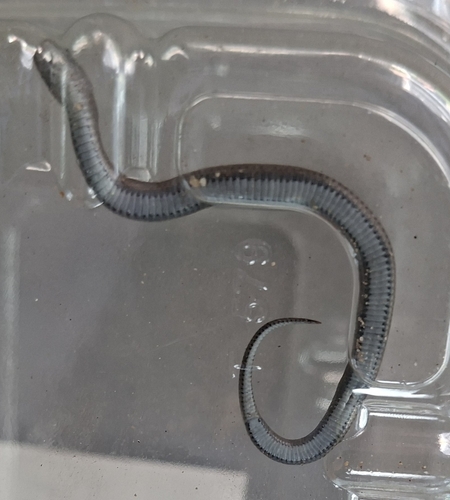
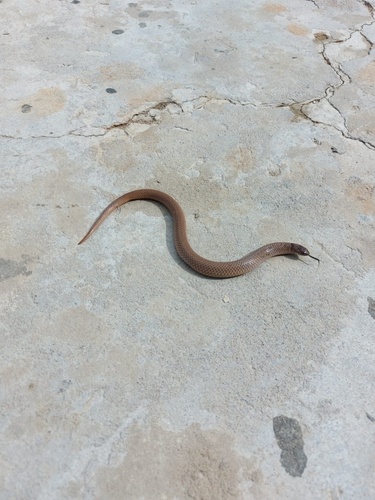
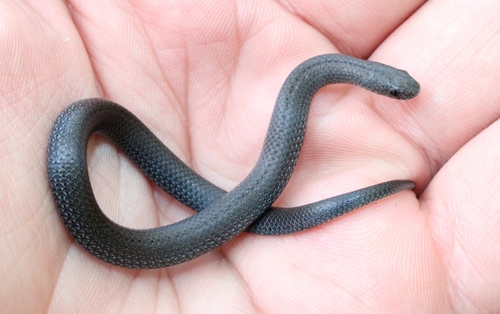
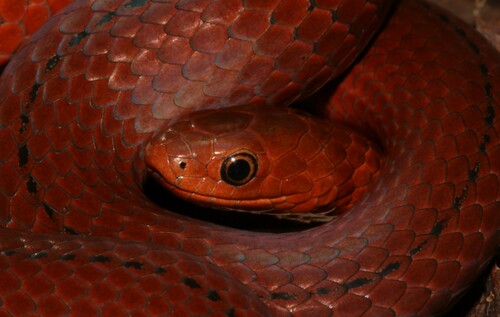
Duberria is a small genus of snakes in the family Pseudoxyrhophiidae, a group centered in Madagascar and sub-Saharan Africa. While most members of the family live on Madagascar, Duberria is one of the genera found on the African mainland. The genus is commonly called the slug-eaters, a name that describes exactly what these snakes do for a living. Our database includes four species, including the Common Slug-eater, the Spotted Slug-eater, the Zimbabwean Slug-Eater, and the Shire Slug-eater.
These are little snakes. Slug-eaters are short, thick-bodied, and rarely grow much beyond a foot or so in length, which makes them some of the smaller terrestrial snakes in their range. They tend to have smooth, neat scales and a modest, even-toned coloration in browns and grays, often with a darker line or speckling along the body. Their small size and unremarkable pattern mean they are easy to overlook in leaf litter and garden soil, which is where they spend most of their time.
As the name says, Duberria are dietary specialists. They feed on slugs and snails, following the slime trails their prey leaves behind and consuming soft-bodied mollusks they find in damp ground. This narrow diet ties them to moist habitats such as grasslands, forest edges, marshy areas, and gardens, where slugs and snails are plentiful. Because they hunt garden pests, they are generally a welcome presence rather than a problem. They give birth to live young rather than laying eggs, and a defensive slug-eater may coil into a tight spiral, a behavior that has earned it nicknames in some regions.
Slug-eaters are not venomous and are considered harmless to people. They have no venom adapted for defense, they are not inclined to bite, and their tiny mouths and teeth pose no medical threat. There is no reason to fear or kill one. The honest framing is simple: these are gentle, beneficial snakes that help control slugs and snails. As with any wild animal, the kind thing is to leave it alone and let it move on rather than handling it.
If you find a slug-eater in a garden or near damp ground in southern or eastern Africa, you are looking at a harmless ally. Identification at the species level can be tricky given how similar small Duberria look, but the genus as a whole is recognized by its small size, plain coloring, slow and unaggressive demeanor, and its strong association with moist, snail-rich ground.
Duberria belongs to the Pseudoxyrhophiidae family (Malagasy snakes). A spectacular radiation of mostly harmless snakes centered on Madagascar. Highly variable; identification is usually by region and genus rather than a single family trait.
Danger: Considered harmless to humans. Some are mildly venomous (rear-fanged) but not medically significant.
All species (4)
Keep learning
- What Is a Snake? Anatomy and the BasicsA clear overview of what makes a snake a snake: limbless body plan, anatomy, evolution from lizards, species diversity, and why they are ectothermic.
- How Snakes Move, Hunt, and EatHow snakes move without legs, hunt as ambushers or active foragers, kill by constriction or venom, and swallow prey wider than their head.
- What Do Snakes Eat?All snakes are carnivores. Learn what snakes eat, how diet changes with size and age, how often they feed, and how they hunt and swallow prey.
- Venomous vs Nonvenomous: How to Tell the DifferenceThe folk rules for telling venomous snakes apart, where each one fails, and why location-based identification beats guessing by sight.