
Genus · Colubridae
Types of sipos
20+ species make up the genus Chironius, the snakes commonly called sipos. None are considered dangerous to humans.
About sipos (neotropical whipsnakes)
Long, slender, fast-moving daytime tree and ground snakes of the American tropics, known across Latin America as sipos.
Chironius is a genus of nonvenomous colubrid snakes in the family Colubridae, the largest snake family on Earth. Like most colubrids, these are typical "true snakes" with solid teeth and no front fangs. The genus contains many species, and the database here covers 20+ of them. The common name "sipo" comes from Portuguese and Spanish usage in South America and is applied broadly across the group, which is why our records include names such as Brown Sipo, Green Sipo, South American Sipo, and Two-headed Sipo.
These snakes range widely through the New World tropics, from Central America down through much of South America. They are most associated with warm, humid environments such as rainforest, gallery forest along rivers, forest edges, and disturbed second growth, and several species also use more open or agricultural country. Many are semi-arboreal, climbing readily through shrubs and trees while still hunting and basking on the ground, and a number are found near water.
In general terms, Chironius snakes are recognized by a long, whip-thin body, a long tail, large eyes suited to daytime activity, and smooth or weakly keeled scales that often give the body a slightly ridged look down the back. Coloration varies by species and ranges from plain browns and olives to bright greens, sometimes with stripes or a paler underside. Vivid common names like Green Sipo and Brown Sipo reflect this range. Identifying an individual to species usually requires close attention to scale counts and locality rather than color alone, so general appearance is a guide, not a guarantee.
These are nonvenomous snakes. They are not front-fanged and do not pose a venom threat to people. When cornered they tend to rely on speed and escape, and like many colubrids they may flatten the neck, vibrate the tail, release musk, or bite defensively if grabbed, but a bite is a mechanical wound rather than an envenomation. Honest framing: any wild snake can bite and any bite can become infected, so the right response is to leave the animal alone and let it move off rather than handle it. Note that field identification can be uncertain, so do not assume a snake is harmless based on a quick look. If a bite occurs, or if there is any doubt about what bit someone, seek medical care and contact emergency services or US Poison Control at 1-800-222-1222 or your local equivalent.
Ecologically, sipos are active, fast, visually oriented daytime hunters. Diet commonly centers on frogs and other amphibians, with lizards and small vertebrates also taken depending on species. They are egg-laying (oviparous), like the great majority of colubrids, producing clutches of eggs rather than live young. Their alertness, speed, and tendency to climb and flee make them a frequently encountered but rarely captured part of the tropical American fauna, and they play a useful role as predators of amphibians and other small animals.
Chironius belongs to the Colubridae family (Colubrids). The largest snake family, and the one most snakes you meet belong to. Typically round pupils, a head only slightly wider than the neck, and no heat-sensing facial pit or rattle. Scales may be smooth and glossy or keeled and matte depending on the species.
Danger: Almost all colubrids are harmless. A small number are rear-fanged with medically significant venom, the boomslang and the twig (vine) snakes of Africa being the dangerous exceptions. Most colubrids will flee or bluff rather than bite.
All species (27)
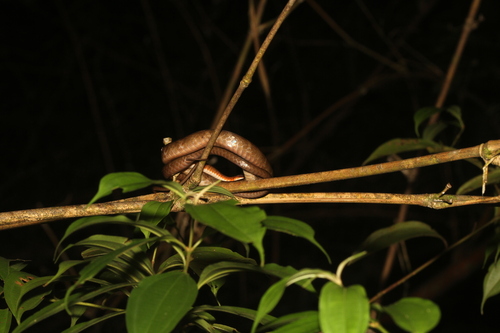 Brown SipoChironius fuscusHarmless
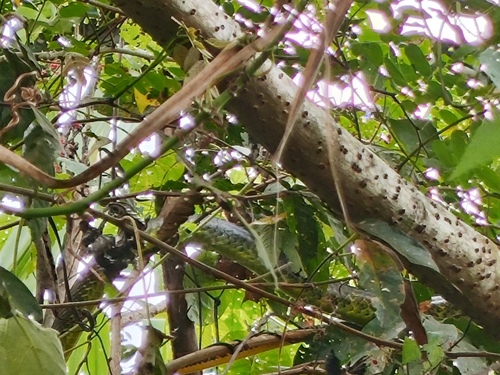 Green SipoChironius exoletusHarmless
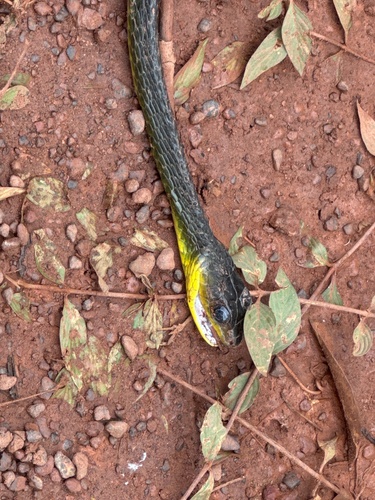 South American SipoChironius multiventrisHarmless
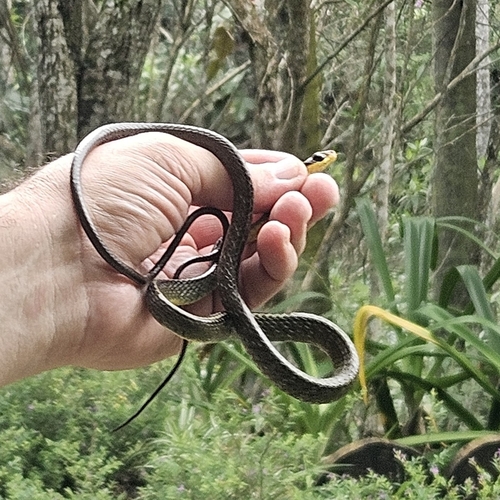 Two-headed SipoChironius bicarinatusHarmless
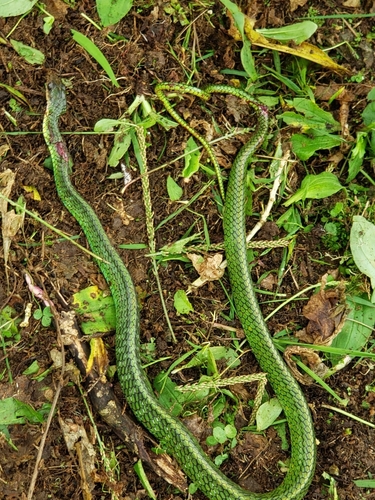 Mountain SipoChironius monticolaHarmless
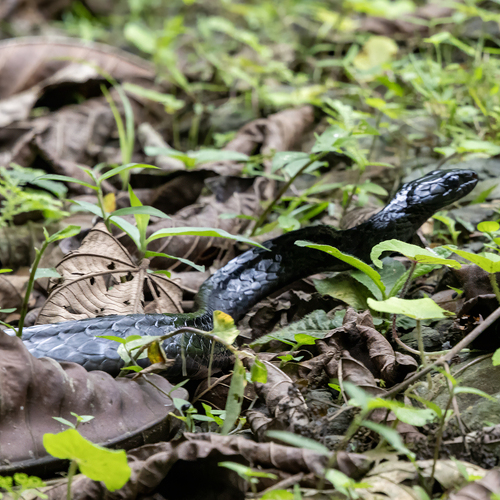 Ecuador SipoChironius grandisquamisHarmless
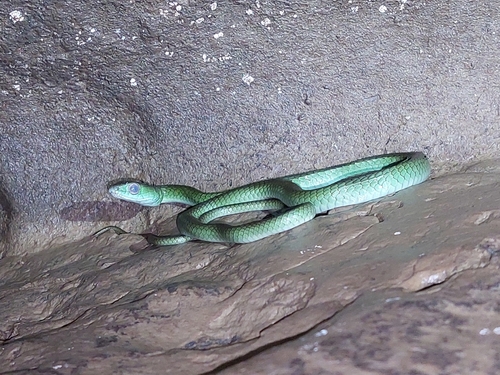 Wagler's SipoChironius scurrulaHarmless
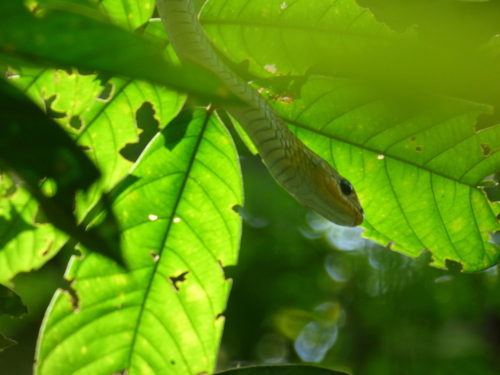 Spix's SipoChironius spixiiHarmless
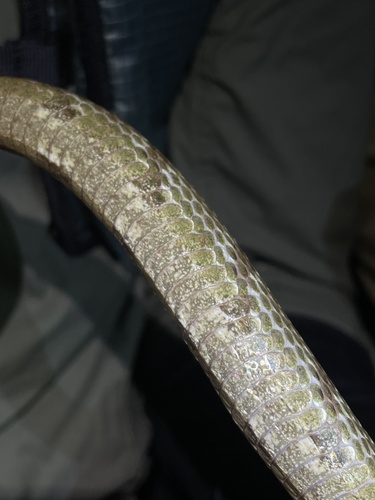 CutlassPhrynonax sexcarinatusHarmless
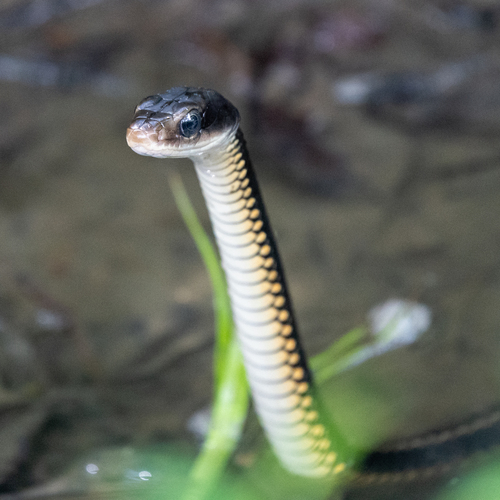 Werner's SipoChironius flavopictusHarmless
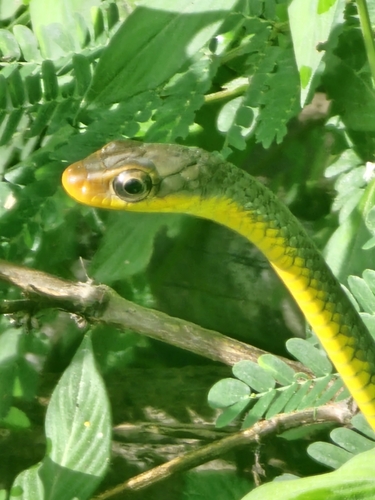 Yellow-lipped SipoChironius carinatusHarmless
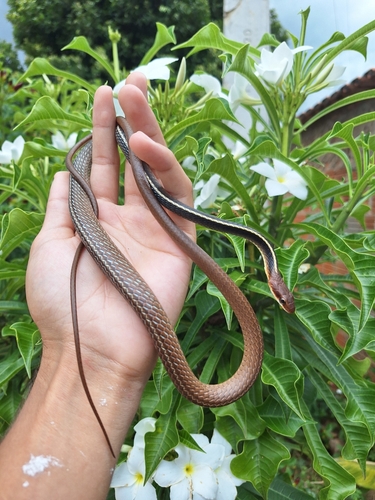 Boettger's SipoChironius flavolineatusHarmless
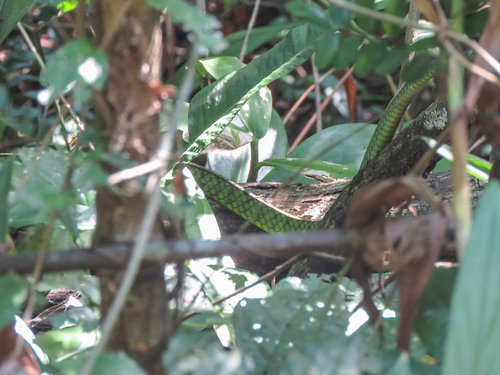 Coastal SipoChironius foveatusHarmless
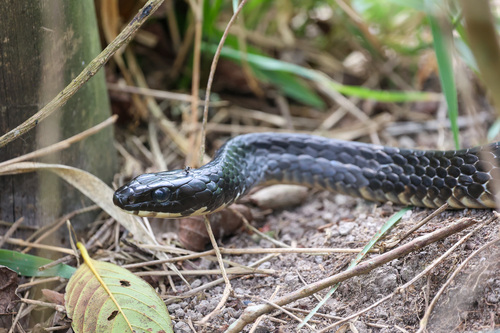 Brazilian SipoChironius laevicollisHarmless
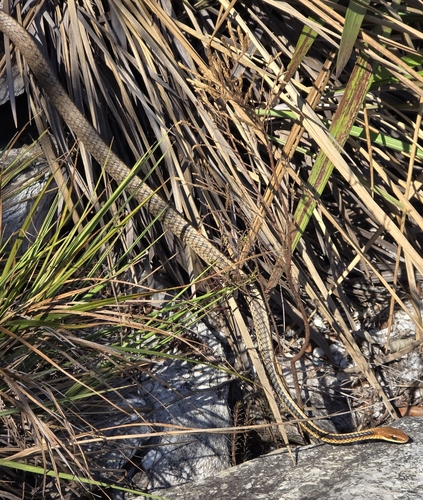 Southeast Brazilian SipoChironius braziliHarmless
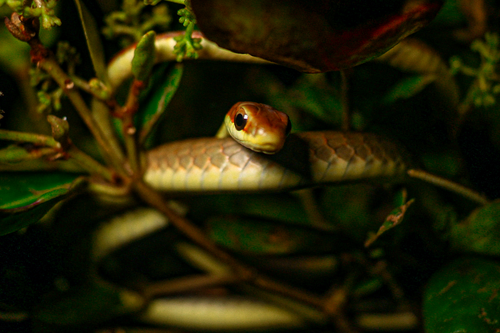 Central SipoChironius quadricarinatusHarmless
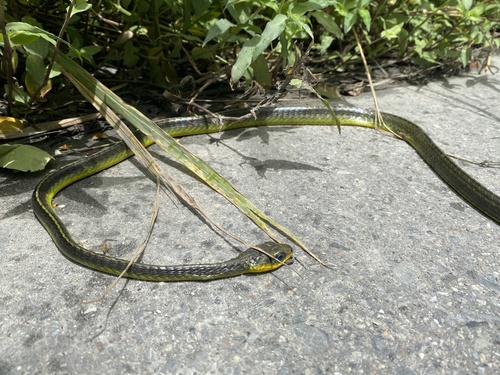 Northern SipoChironius septentrionalisHarmless
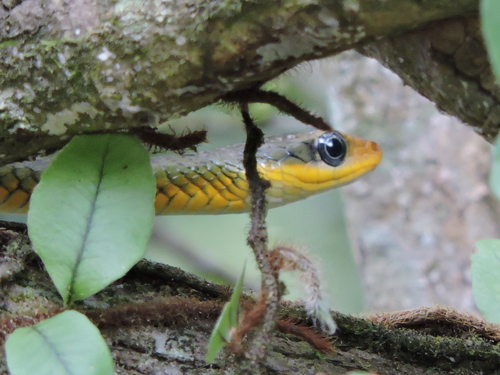 Uruguayan SipoChironius gouveaiHarmless
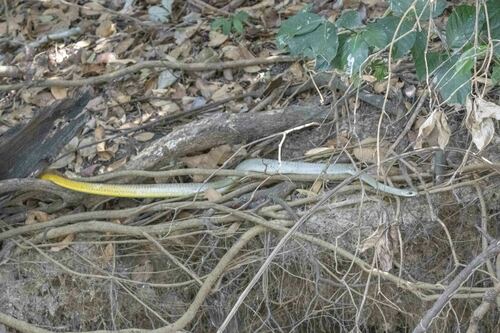 Beni SipoChironius dixoniHarmless
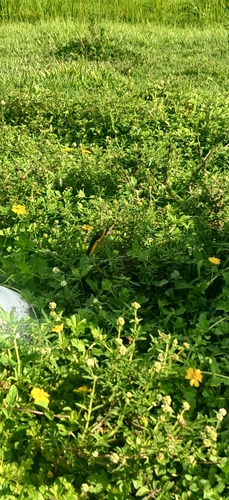 Trinidadian SipoChironius nigelnoriegaiHarmless
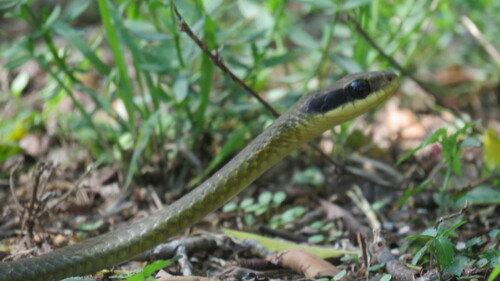 Spot-bellied SipoChironius maculoventrisHarmless
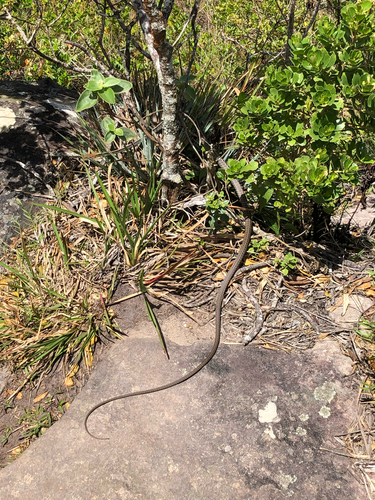 Chapada Diamantina SipoChironius diamantinaHarmless
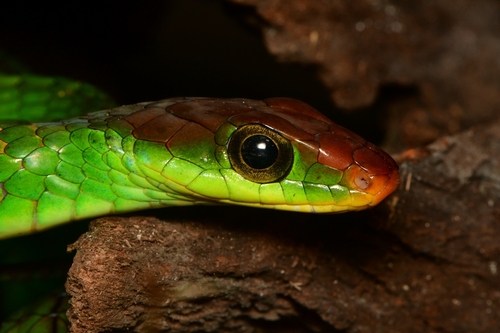 White-fronted SipoChironius leucometapusHarmless
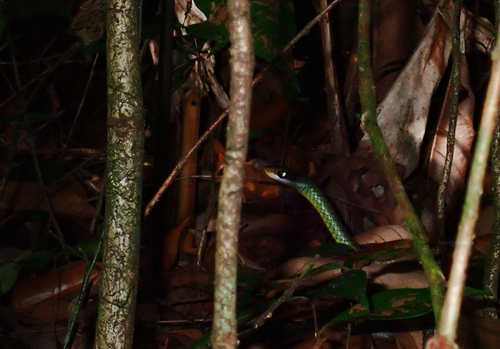 Baturité SipoChironius dracomarisHarmless
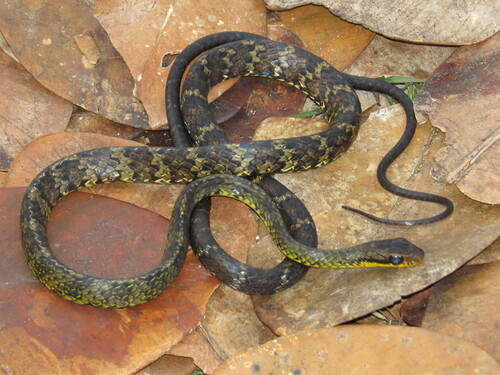 Maringma Tepui SipoChironius challengerHarmless
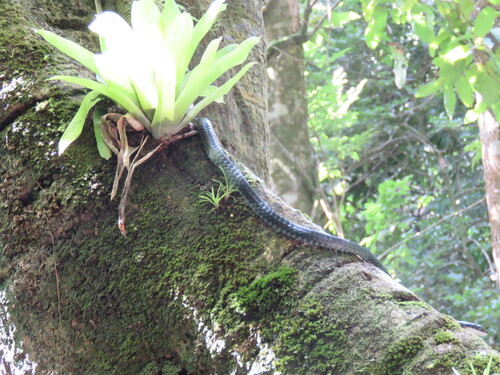 Saint Vincent SipoChironius vincentiHarmless
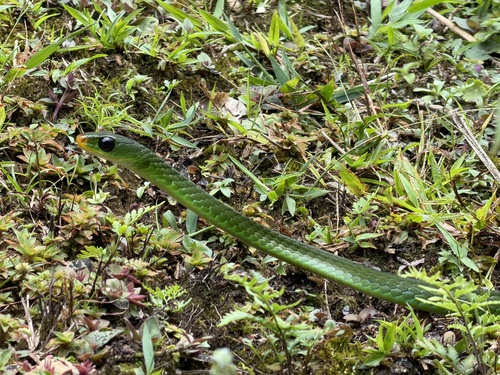 Whipala SipoChironius whipalaHarmless
Keep learning
- What Is a Snake? Anatomy and the BasicsA clear overview of what makes a snake a snake: limbless body plan, anatomy, evolution from lizards, species diversity, and why they are ectothermic.
- How Snakes Move, Hunt, and EatHow snakes move without legs, hunt as ambushers or active foragers, kill by constriction or venom, and swallow prey wider than their head.
- What Do Snakes Eat?All snakes are carnivores. Learn what snakes eat, how diet changes with size and age, how often they feed, and how they hunt and swallow prey.
- Venomous vs Nonvenomous: How to Tell the DifferenceThe folk rules for telling venomous snakes apart, where each one fails, and why location-based identification beats guessing by sight.