
Tuvalu
Snakes in Tuvalu
1 snake species have been recorded in Tuvalu, and none are venomous.
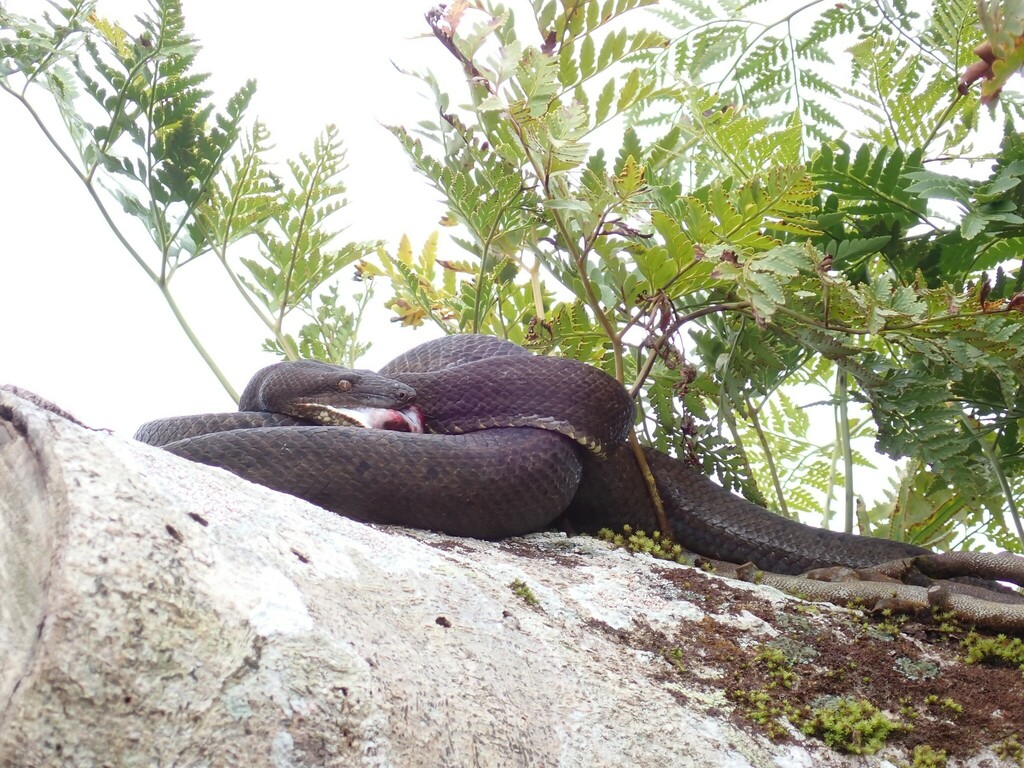
Snakes of Tuvalu
Tuvalu is one of the smallest and most remote nations on Earth, a scatter of nine low-lying coral atolls and reef islands in the central Pacific, roughly midway between Hawaii and Australia. None of its land rises more than a few meters above the sea, and the total land area is tiny. This geography sets a hard limit on what kind of reptile life the country can support. There are no mountains, rivers, or large forests, only narrow strips of sandy soil, coconut palm and pandanus stands, coastal scrub, and the surrounding lagoons and reefs. Such isolated oceanic atolls are difficult for land snakes to reach and colonize, so Tuvalu has only 1 snake species recorded in our database, and none of it is recorded as venomous.
The single terrestrial snake associated with islands like Tuvalu is the Brahminy blind snake, a tiny burrowing species often mistaken for an earthworm. It lives in soil, leaf litter, and around the roots of garden plants, where it feeds on the eggs and larvae of ants and termites. This species is famous for spreading across the tropics inside the soil of potted plants, which is exactly how it tends to arrive on remote atolls. It is completely harmless to people, has no functional venom, and is far too small to bite a human in any meaningful way. On land, this is the kind of snake fauna a place like Tuvalu supports.
Tuvalu has no recorded venomous land snakes, which is the honest and accurate picture for a small, isolated set of coral atolls. The marine environment is a separate matter. The waters of the central and western Pacific are home to sea snakes and to the sea krait group, which are genuinely venomous marine reptiles. These animals belong to the ocean, not to the villages and gardens, and encounters happen in the water or occasionally where a sea krait comes ashore on a reef island to rest. They are generally not aggressive, but they are the one venomous group that anyone in this region should treat with caution and distance.
Snakes, even in a place this small, play a quiet role in the local ecology. The burrowing blind snake helps control populations of ants and termites in the soil, a small but real contribution to the balance of an atoll garden and the limited land habitat available. Marine snakes are predators on small fish and eels among the reefs, part of the wider Pacific reef food web that Tuvaluan communities depend on. A healthy reef is the country's lifeline, and the animals that live in it are part of what keeps it functioning.
For safety, the practical picture is simple. The land snake you might encounter in Tuvalu is harmless, and the real consideration is the sea. Do not handle any sea snake or sea krait in the water or on the shore, and never assume a marine snake is safe to pick up. If a person is bitten by any snake and there is any doubt, treat it as a medical emergency: get to a hospital or call local emergency services right away, since proper care and antivenom where indicated are administered by medical professionals. In the United States you can also reach Poison Control at 1-800-222-1222. Do not rely on home remedies or attempt to manage a serious bite yourself.
Snakes in Tuvalu: FAQ
- Are there venomous snakes in Tuvalu?
- No venomous snakes have verified records in Tuvalu. Every snake recorded here is harmless to humans, though any snake may bite defensively if handled.
- How many snake species live in Tuvalu?
- 1 snake species has verified records in Tuvalu.
- What is the most commonly seen snake in Tuvalu?
- The Bibron's Bevel-nosed Boa is the most frequently reported snake in Tuvalu, based on verified wildlife observations.
Every snake recorded in Tuvalu
1 species across 1 families, grouped by family. Venomous flagged.
Compiled from verified GBIF & iNaturalist observations. "How often seen" reflects how frequently a snake is reported here, not how dangerous it is. Informational only.
Keep learning
- What Is a Snake? Anatomy and the BasicsA clear overview of what makes a snake a snake: limbless body plan, anatomy, evolution from lizards, species diversity, and why they are ectothermic.
- What to Do If You Find a SnakeFound a snake at home or on a trail? Here is how to stay calm, give it space, identify it safely, and know when to call a professional.
- How to Keep Snakes Out of Your Yard and HomeA practical guide to keeping snakes out of your yard and home using habitat changes that work, plus what to skip and what to do if one shows up.
- Are Snakes Dangerous? The Real Risk, in PerspectiveMost snakes are harmless and avoid people. Here is the honest picture of snakebite risk worldwide and how to lower your own.