
Sint Maarten
Snakes in Sint Maarten
1 snake species have been recorded in Sint Maarten, and none are venomous.
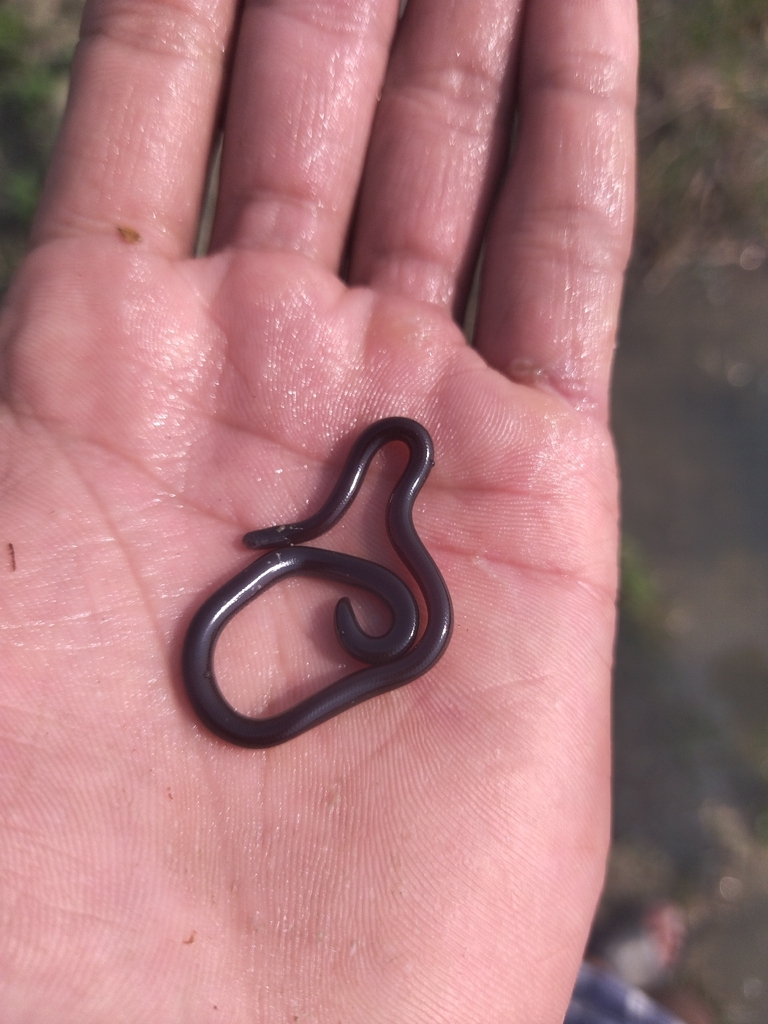
Snakes of Sint Maarten
Sint Maarten (Dutch part) has 1 snake species recorded in our database, none recorded as venomous. The great majority of species are non-venomous. This is the southern Dutch half of a small Caribbean island shared with French Saint-Martin, and its snake fauna is correspondingly limited. Small islands tend to hold very few reptile species compared to nearby continental land, and Sint Maarten fits that pattern.
The island is dry and warm, with low hills, scrub and dry forest, salt ponds, coastal mangrove fringes, and a heavily developed shoreline. These habitats favor small, ground-dwelling and burrowing reptiles rather than the large snakes found on mainland Central and South America. Rocky slopes, leaf litter, and the loose soil around vegetation are the kinds of microhabitats where the few snakes present make their living, often staying hidden and active mainly at cooler times of day.
On the question of venomous snakes, the honest answer for Sint Maarten is reassuring. There are no established populations of dangerous front-fanged venomous snakes here. The Caribbean's most feared pit vipers, such as the lanceheads found on a handful of larger islands like Martinique and Saint Lucia, do not occur on Sint Maarten. The recorded snake life of this island is non-venomous, so a person walking its trails, beaches, or yards is not facing a meaningful snakebite threat from a native snake.
The harmless majority is what defines snake life on small Lesser Antillean islands like this one. Typical residents of such islands are small, secretive snakes that pose no danger to people, including tiny burrowing blindsnakes that look almost like earthworms and slender, fast-moving ground snakes that prey on lizards and insects. These animals are easy to overlook and spend much of their time under cover. They are part of the island's natural heritage and deserve to be left undisturbed rather than feared.
Even on an island this small, snakes earn their place in the ecosystem. They help control populations of insects, small lizards, and other prey, and in turn they feed birds and other predators, linking parts of the food web that would otherwise be disconnected. On islands, every native species carries extra weight because the community is small and easily knocked off balance by habitat loss or introduced animals, so protecting these snakes supports the wider health of the local environment. If you ever encounter a snake here, the safe and sensible response is to give it space and let it move on. No wild snake should be picked up or handled, and any genuine medical concern after contact with an animal should go straight to local emergency services or, in the United States, to Poison Control at 1-800-222-1222, where trained professionals manage care.
Snakes in Sint Maarten: FAQ
- Are there venomous snakes in Sint Maarten?
- No venomous snakes have verified records in Sint Maarten. Every snake recorded here is harmless to humans, though any snake may bite defensively if handled.
- How many snake species live in Sint Maarten?
- 1 snake species has verified records in Sint Maarten.
- What is the most commonly seen snake in Sint Maarten?
- The Brahminy Blindsnake is the most frequently reported snake in Sint Maarten, based on verified wildlife observations.
Every snake recorded in Sint Maarten
1 species across 1 families, grouped by family. Venomous flagged.
Typhlopidae (1)
Compiled from verified GBIF & iNaturalist observations. "How often seen" reflects how frequently a snake is reported here, not how dangerous it is. Informational only.
Keep learning
- What Is a Snake? Anatomy and the BasicsA clear overview of what makes a snake a snake: limbless body plan, anatomy, evolution from lizards, species diversity, and why they are ectothermic.
- What to Do If You Find a SnakeFound a snake at home or on a trail? Here is how to stay calm, give it space, identify it safely, and know when to call a professional.
- How to Keep Snakes Out of Your Yard and HomeA practical guide to keeping snakes out of your yard and home using habitat changes that work, plus what to skip and what to do if one shows up.
- Are Snakes Dangerous? The Real Risk, in PerspectiveMost snakes are harmless and avoid people. Here is the honest picture of snakebite risk worldwide and how to lower your own.