
Saint Lucia
Snakes in Saint Lucia
10 snake species have been recorded in Saint Lucia, 2 venomous.

Snakes of Saint Lucia
Saint Lucia is a small volcanic island in the eastern Caribbean, and its snake fauna reflects that isolation. Our database records 10 snake species for the country, of which 2 are venomous. The great majority of the species present are non-venomous. As on most islands, diversity is modest compared with the nearby South American mainland, but several of the species here are found nowhere else on Earth.
The island's terrain shapes where snakes live. Saint Lucia rises steeply from dry coastal scrub and former plantation land into humid interior rainforest on the central mountains, with the Pitons and the Edmund Forest among its best known wild areas. Snakes occupy this full gradient, from sun-warmed lowland thickets and rock walls to leaf litter and the canopy edge of the rainforest. Small offshore islets, including the Maria Islands reserve off the southeast coast, hold their own restricted reptile populations and are important for the rarest species.
Two venomous snakes are recorded here, and the medically important one is a pit viper, the fer-de-lance group (Bothrops). This is the snake responsible for serious bites in the region, and it is the reason caution matters when walking through brush, tall grass, or plantation edges. Pit vipers are heavy-bodied ambush predators that rely on camouflage, so they can be hard to see in leaf litter. The second venomous record reflects the rear-fanged and small-bodied snakes whose venom is not considered a major danger to people. Saint Lucia has no sea snakes and no large cobra-type elapids; the realistic medical threat is the viper group.
The harmless majority does the quiet work of the ecosystem. These are the small ground snakes, racers, and the island's blind snakes and boa relatives that hunt frogs, lizards, rodents, and insects. Saint Lucia is also home to globally significant endemics, including the Saint Lucia racer (Erythrolamprus ornatus), one of the rarest snakes in the world, surviving on a tiny protected islet. These non-venomous snakes are not a threat to people and are a sign of a functioning natural landscape.
Snakes are valuable here. By preying on rats and other rodents they limit crop and stored-food damage and help control pests that affect both farms and homes, while also feeding the hawks and other predators above them in the food web. Most species you encounter on Saint Lucia are harmless, but the pit viper is genuinely dangerous and a bite is a medical emergency. Never handle a wild snake, even one you believe is harmless. If a bite occurs, treat it as urgent: the proven treatment is antivenom and hospital care, so get to emergency medical services without delay. In the United States you can reach Poison Control at 1-800-222-1222; elsewhere contact local emergency services.
Snakes in Saint Lucia: FAQ
- Are there venomous snakes in Saint Lucia?
- Yes. 2 venomous snake species have verified records in Saint Lucia, including Saint Lucia Lancehead, Martinique Lancehead. Most snakes in Saint Lucia, however, are harmless.
- How many snake species live in Saint Lucia?
- 10 snake species have verified records in Saint Lucia, of which 2 are venomous.
- What is the most commonly seen snake in Saint Lucia?
- The Saint Lucia Lancehead is the most frequently reported snake in Saint Lucia, based on verified wildlife observations.
- What should I do if I see a venomous snake in Saint Lucia?
- Keep your distance and do not try to catch or kill it. Most bites happen when people handle or corner a snake. If someone is bitten, contact local emergency services or poison control immediately.
Venomous snakes in Saint Lucia
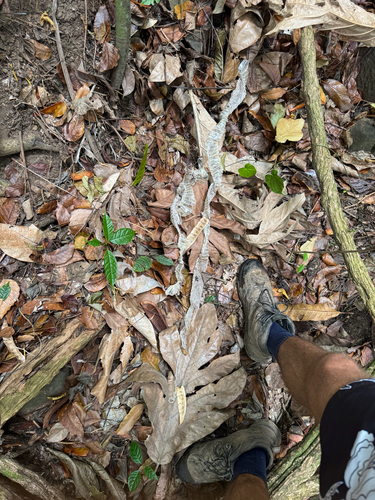
Every snake recorded in Saint Lucia
10 species across 4 families, grouped by family. Venomous flagged.
Colubridae (4)
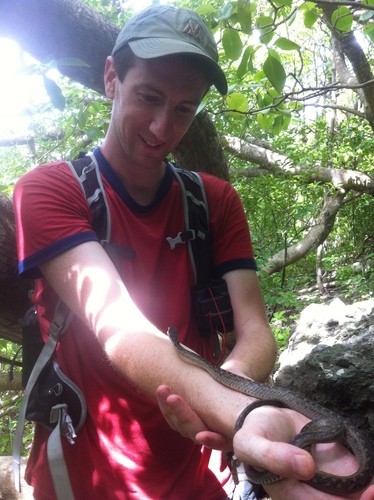
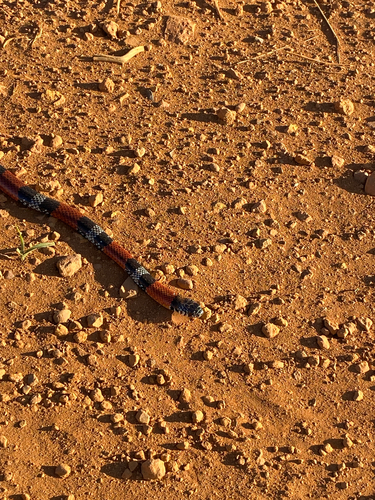
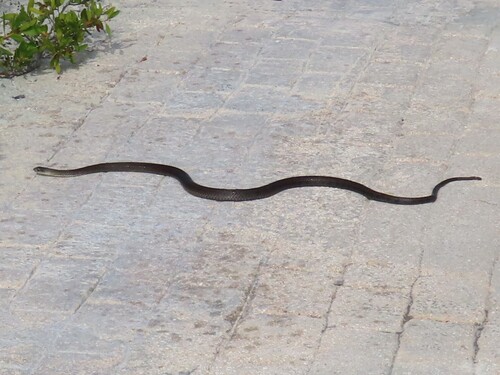
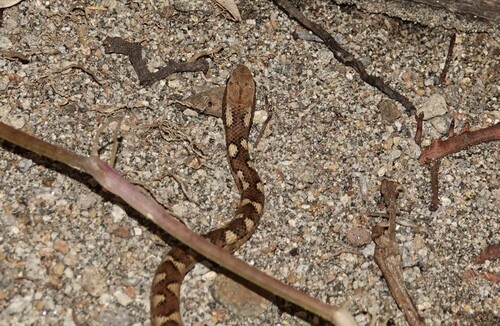
Viperidae (2)
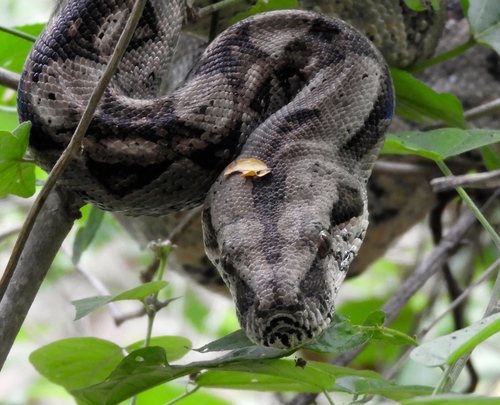
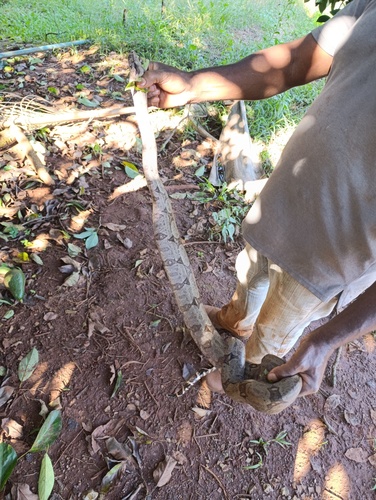
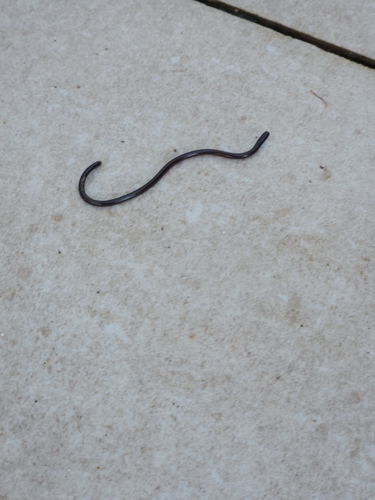
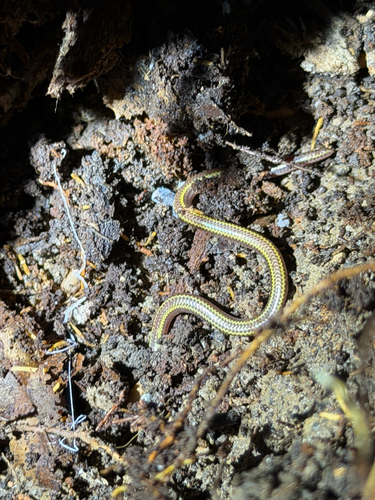
Compiled from verified GBIF & iNaturalist observations. "How often seen" reflects how frequently a snake is reported here, not how dangerous it is. Informational only.
Keep learning
- Are Snakes Dangerous? The Real Risk, in PerspectiveMost snakes are harmless and avoid people. Here is the honest picture of snakebite risk worldwide and how to lower your own.
- Snakebite First Aid: What to Do (and What Never to Do)A clear, CDC-based guide to snakebite first aid: the steps that help, the popular myths that hurt, and how to tell a serious bite from a minor one.
- Venomous vs Nonvenomous: How to Tell the DifferenceThe folk rules for telling venomous snakes apart, where each one fails, and why location-based identification beats guessing by sight.
- What to Do If You Find a SnakeFound a snake at home or on a trail? Here is how to stay calm, give it space, identify it safely, and know when to call a professional.