
Niue
Snakes in Niue
2 snake species have been recorded in Niue, 2 venomous.
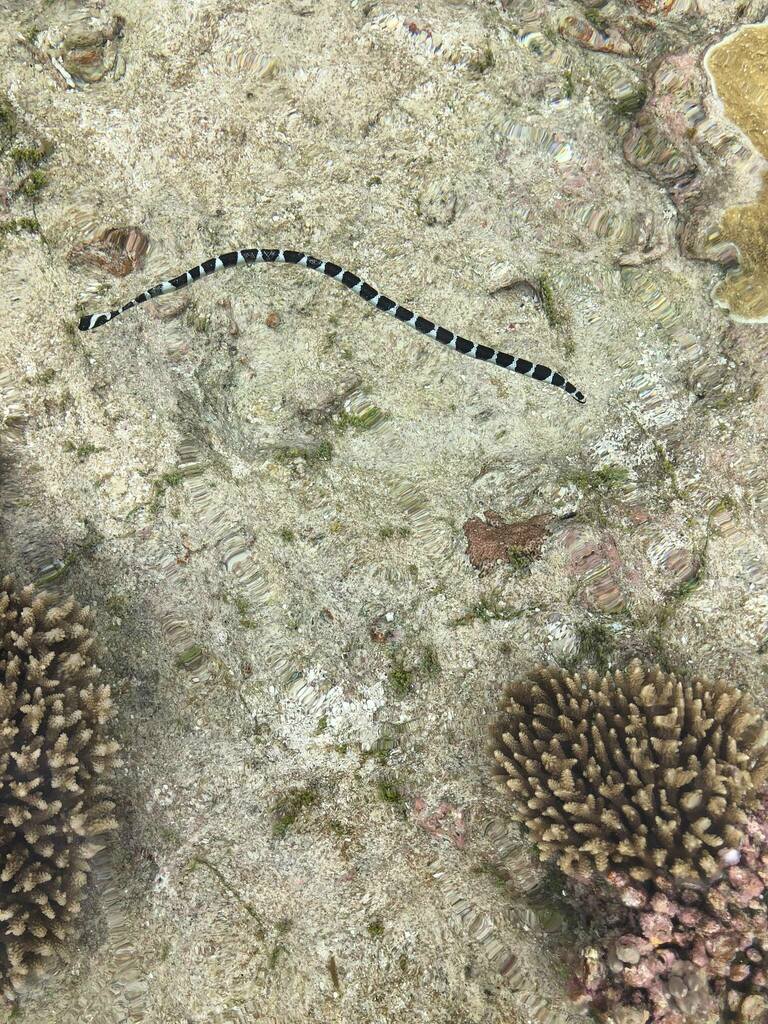
Snakes of Niue
Niue is a single raised coral island in the South Pacific, one of the largest uplifted atolls in the world. Its terrain is a low limestone plateau ringed by sheer cliffs, with no rivers and very little soil. There are coastal scrub, coconut groves, regenerating forest on the interior, and a fringing reef that drops quickly into deep open ocean. This is a small, isolated, oceanic setting, so its snake fauna is naturally limited. Our database records 2 snake species for Niue, and both are venomous. Neither, however, is a land snake in the way most people picture one.
Both venomous species recorded here are sea snakes, animals of the reef and the surrounding ocean rather than the forest floor. The most likely to be encountered is the banded sea krait, a black and pale grey ringed snake that hunts eels in the reef and comes ashore on rocks and ledges to rest, digest, and shed. The second is a fully marine sea snake of the open water and reef edge that rarely if ever leaves the sea. Both belong to the elapid lineage and carry potent venom, which is why the count shows 2 of 2 as venomous. They are not aggressive toward people, and bites are very rare because these snakes are focused on fish and eels, not on anyone in the water near them.
Niue has no native land snakes. There is no terrestrial venomous snake on the island, no large constrictor, and no resident harmless land species in our records. The lack of a true terrestrial snake fauna is normal for a small, remote oceanic island like this one, where colonization by land reptiles is difficult across open ocean. The animals people actually meet that relate to snakes are the sea kraits resting along the coast, which are striking and easy to recognize by their bold banding.
Even with no land snakes, snakes still matter to Niue. The sea kraits and sea snakes around the island are predators of reef eels and small fish, and they form part of a healthy reef food web. Their presence is generally a sign that the reef and inshore fish populations they depend on are intact. As specialist hunters in crevices and along the reef, they help regulate prey species and feed back into the wider marine system that supports the island.
For safety, the practical picture is simple. There are no dangerous land snakes to worry about on Niue. The real, if uncommon, medical concern is the venom of the sea snakes and sea kraits if a person is bitten, which can happen to someone who handles, steps on, or corners one along the shore or in the water. These animals are calm and not interested in people, but no wild venomous snake should ever be touched, picked up, or handled, even one that looks docile resting on a rock. The treatment for any serious venomous bite is professional medical care, including antivenom and hospital management where indicated, not home remedies. If a bite occurs, contact local emergency services immediately, or in the United States call Poison Control at 1-800-222-1222.
Snakes in Niue: FAQ
- Are there venomous snakes in Niue?
- Yes. 2 venomous snake species have verified records in Niue, including Katuali Sea Krait, Blue-lipped Sea Krait. Most snakes in Niue, however, are harmless.
- How many snake species live in Niue?
- 2 snake species have verified records in Niue, of which 2 are venomous.
- What is the most commonly seen snake in Niue?
- The Katuali Sea Krait is the most frequently reported snake in Niue, based on verified wildlife observations.
- What should I do if I see a venomous snake in Niue?
- Keep your distance and do not try to catch or kill it. Most bites happen when people handle or corner a snake. If someone is bitten, contact local emergency services or poison control immediately.
Venomous snakes in Niue
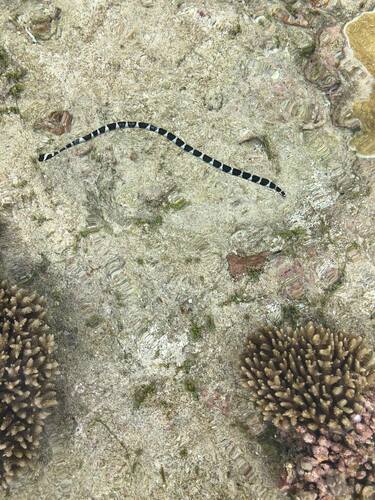
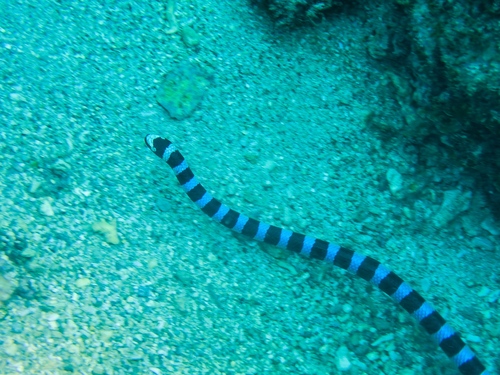
Every snake recorded in Niue
2 species across 1 families, grouped by family. Venomous flagged.
Compiled from verified GBIF & iNaturalist observations. "How often seen" reflects how frequently a snake is reported here, not how dangerous it is. Informational only.
Keep learning
- Are Snakes Dangerous? The Real Risk, in PerspectiveMost snakes are harmless and avoid people. Here is the honest picture of snakebite risk worldwide and how to lower your own.
- Snakebite First Aid: What to Do (and What Never to Do)A clear, CDC-based guide to snakebite first aid: the steps that help, the popular myths that hurt, and how to tell a serious bite from a minor one.
- Venomous vs Nonvenomous: How to Tell the DifferenceThe folk rules for telling venomous snakes apart, where each one fails, and why location-based identification beats guessing by sight.
- What to Do If You Find a SnakeFound a snake at home or on a trail? Here is how to stay calm, give it space, identify it safely, and know when to call a professional.