
Nauru
Snakes in Nauru
1 snake species have been recorded in Nauru, and none are venomous.
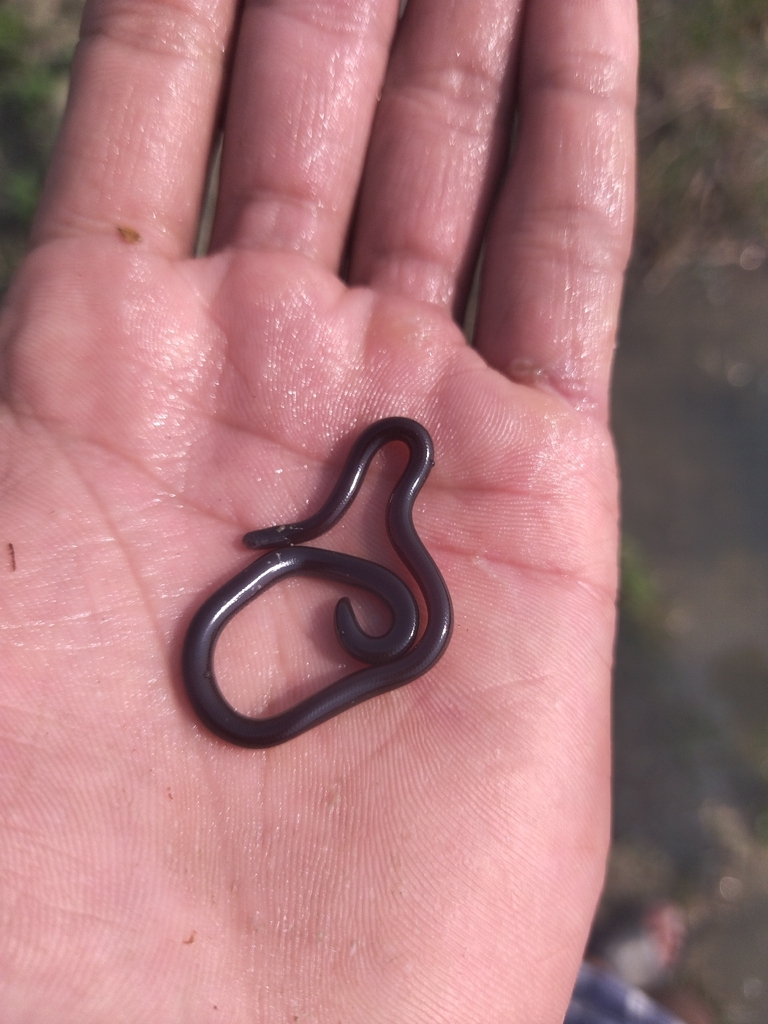
Snakes of Nauru
Nauru is one of the smallest countries on Earth, a single raised coral island in the central Pacific covering only about 21 square kilometers. Its terrain is a narrow coastal fringe of sand and palm, an inland plateau of weathered coral pinnacles left behind by phosphate mining, and a small lagoon known as Buada. There are no rivers, no mountains, and no large tracts of native forest. This is a remote oceanic island that was never connected to a continental landmass, so its land-snake fauna is naturally sparse. Our database records 1 snake species for Nauru, and that figure reflects the limited niches a small isolated island can support.
Snakes on islands like Nauru tend to be either widespread human-associated colonizers or sea snakes that move through the surrounding ocean. The one land species most often associated with Nauru is the Brahminy blind snake, a tiny, harmless, burrowing snake that resembles a shiny earthworm. It is among the most widely distributed terrestrial snakes in the world precisely because it travels in the soil of potted plants and garden imports, and it reproduces without a mate, so a single individual can found a population. It spends its life underground or under leaf litter eating ant and termite eggs and larvae.
Nauru has no recorded venomous land snakes. None of the species in our database for the country are venomous, which matches the pattern for tiny, isolated Pacific islands that lack the elapids and vipers found on larger continental land. The only venomous snakes a person is realistically likely to encounter near Nauru are sea snakes and sea kraits in the wider tropical Pacific. These are marine animals, generally not aggressive, and not part of the island's terrestrial fauna. On land, the snake life of Nauru is harmless.
Even a single small burrowing snake plays a useful ecological role. The Brahminy blind snake helps regulate populations of ants and termites and other soil invertebrates, and as a soil-dwelling animal it is part of the cycle that keeps garden and plantation ground healthy. On an island where habitat has been heavily reshaped by mining, small resilient species that tolerate disturbed ground are often the ones that persist, and they remain a quiet part of the local ecosystem.
On safety, the practical picture for Nauru is reassuring: the land snake here is harmless, and there are no established venomous land snakes to worry about. The only genuine venomous risk in the region comes from sea snakes in the ocean, which should be observed and never handled. As a rule, do not pick up or handle any wild snake, even a small one that looks harmless, since identification in the field is easy to get wrong. If a person is bitten by any snake and there is doubt about the species, treat it as a medical matter and seek emergency care immediately. Definitive treatment for a venomous bite is hospital care and antivenom where indicated, not anything attempted in the field. In the United States you can reach Poison Control at 1-800-222-1222, and elsewhere contact local emergency services.
Snakes in Nauru: FAQ
- Are there venomous snakes in Nauru?
- No venomous snakes have verified records in Nauru. Every snake recorded here is harmless to humans, though any snake may bite defensively if handled.
- How many snake species live in Nauru?
- 1 snake species has verified records in Nauru.
- What is the most commonly seen snake in Nauru?
- The Brahminy Blindsnake is the most frequently reported snake in Nauru, based on verified wildlife observations.
Every snake recorded in Nauru
1 species across 1 families, grouped by family. Venomous flagged.
Typhlopidae (1)
Compiled from verified GBIF & iNaturalist observations. "How often seen" reflects how frequently a snake is reported here, not how dangerous it is. Informational only.
Keep learning
- What Is a Snake? Anatomy and the BasicsA clear overview of what makes a snake a snake: limbless body plan, anatomy, evolution from lizards, species diversity, and why they are ectothermic.
- What to Do If You Find a SnakeFound a snake at home or on a trail? Here is how to stay calm, give it space, identify it safely, and know when to call a professional.
- How to Keep Snakes Out of Your Yard and HomeA practical guide to keeping snakes out of your yard and home using habitat changes that work, plus what to skip and what to do if one shows up.
- Are Snakes Dangerous? The Real Risk, in PerspectiveMost snakes are harmless and avoid people. Here is the honest picture of snakebite risk worldwide and how to lower your own.