
Moldova
Snakes in Moldova
4 snake species have been recorded in Moldova, 1 venomous.
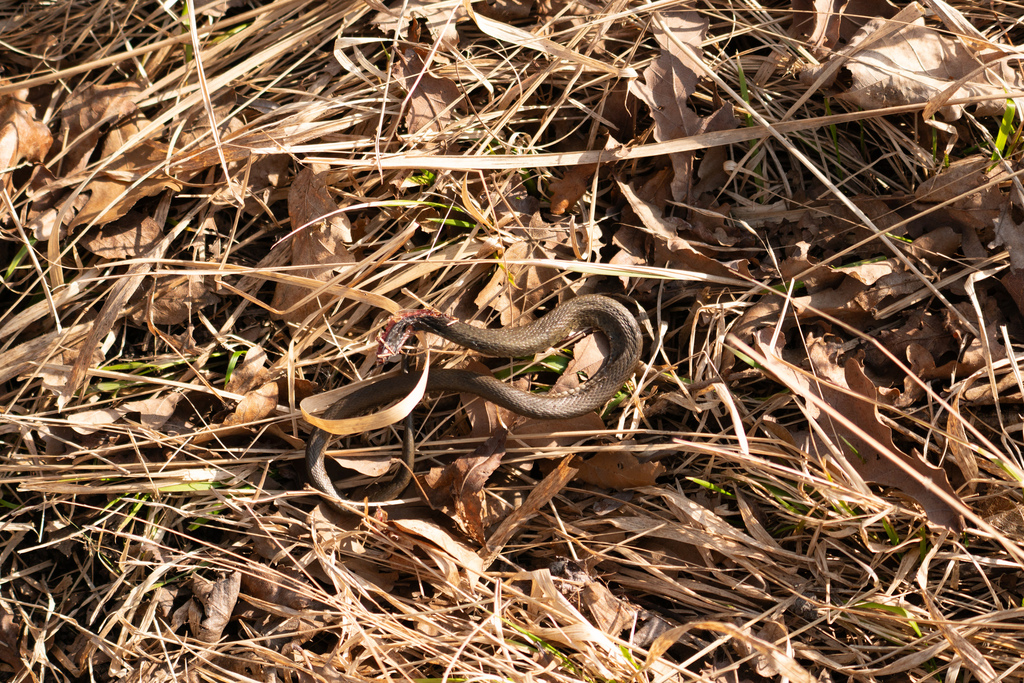
Snakes of Moldova
Moldova, Republic of has 4 snake species recorded in our database, 1 of them venomous. This is a small, landlocked country in southeastern Europe, set between Romania and Ukraine and drained by the Prut and Dniester rivers. Its landscape is mostly rolling plains, river valleys, and remnant forest, with the wooded Codru hills at its center. This mix of warm steppe, deciduous woodland, wetland margins, and farmland gives Moldova a modest but genuine snake fauna, shaped by a temperate climate where snakes are active from spring through autumn and overwinter underground during the cold months.
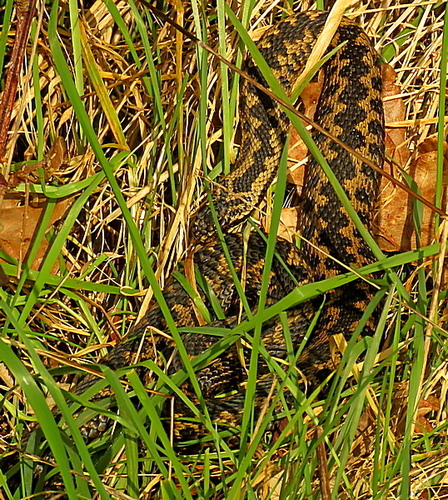
Only one of the recorded species is venomous, and it belongs to the vipers (family Viperidae). European vipers are stout, slow-moving, ambush predators that favor sunlit forest edges, scrubby slopes, riverbanks, and grassland. They are not aggressive and rely on camouflage, biting only when stepped on, cornered, or handled. A bite from a European viper is a real medical event that can cause pain, swelling, and systemic effects, but with prompt hospital care it is very rarely fatal.
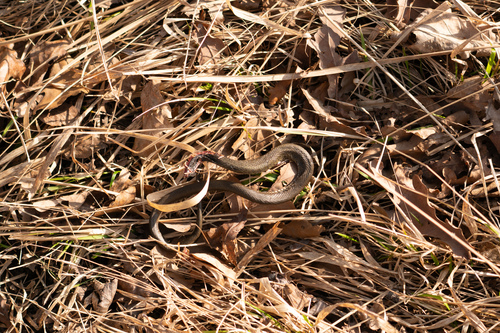
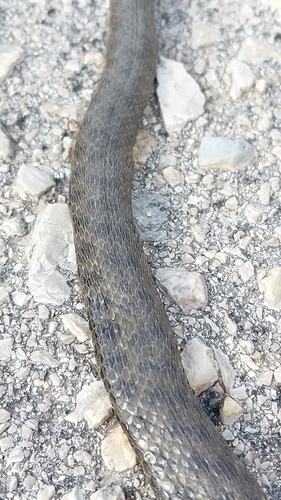
The great majority of Moldova's snakes are non-venomous and harmless to people. The most familiar are the colubrid snakes, including grass snakes and water snakes that hunt frogs and fish along the rivers, ponds, and marshes, and dry-country racers and rat snakes that move quickly through grassland, scrub, and rocky ground. These snakes kill prey by grabbing or constriction rather than venom. They are often seen basking near water or vanishing into vegetation, and they pose no danger beyond a startled bluff or a harmless bite if grabbed.
Ecologically, these snakes are valuable. They control populations of rodents, frogs, fish, and insects, and in turn feed birds of prey, foxes, and other predators. In Moldova's farmland and river systems, the rodent control that snakes provide is a direct benefit to people and crops, and the presence of healthy snake populations is a sign of functioning wetlands and woodlands.
On safety, the practical picture is reassuring. Most snakes you might encounter in Moldova are harmless, and the single venomous group, the vipers, will retreat if given space. Never handle a wild snake, even one you believe is harmless, since identification mistakes are easy and a viper bite is serious. If a bite occurs, treat it as an emergency, keep the person calm and still, and get to a hospital immediately, since antivenom and supportive medical care are the proper treatment. In the United States you can reach Poison Control at 1-800-222-1222; in Moldova and elsewhere, contact local emergency services.
Snakes in Moldova: FAQ
- Are there venomous snakes in Moldova?
- Yes. 1 venomous snake species has verified records in Moldova, including Adder. Most snakes in Moldova, however, are harmless.
- How many snake species live in Moldova?
- 4 snake species have verified records in Moldova, of which 1 is venomous.
- What is the most commonly seen snake in Moldova?
- The Grass Snake is the most frequently reported snake in Moldova, based on verified wildlife observations.
- What should I do if I see a venomous snake in Moldova?
- Keep your distance and do not try to catch or kill it. Most bites happen when people handle or corner a snake. If someone is bitten, contact local emergency services or poison control immediately.
Venomous snakes in Moldova
Every snake recorded in Moldova
4 species across 2 families, grouped by family. Venomous flagged.
Colubridae (3)
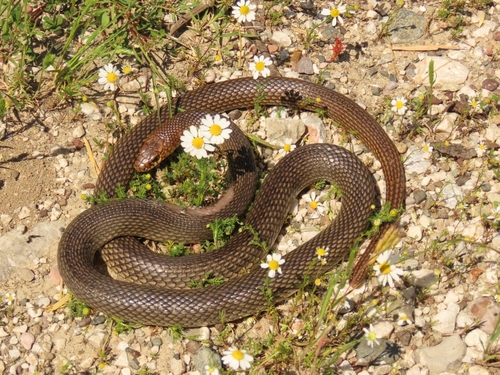
Viperidae (1)
Compiled from verified GBIF & iNaturalist observations. "How often seen" reflects how frequently a snake is reported here, not how dangerous it is. Informational only.
Keep learning
- Are Snakes Dangerous? The Real Risk, in PerspectiveMost snakes are harmless and avoid people. Here is the honest picture of snakebite risk worldwide and how to lower your own.
- Snakebite First Aid: What to Do (and What Never to Do)A clear, CDC-based guide to snakebite first aid: the steps that help, the popular myths that hurt, and how to tell a serious bite from a minor one.
- Venomous vs Nonvenomous: How to Tell the DifferenceThe folk rules for telling venomous snakes apart, where each one fails, and why location-based identification beats guessing by sight.
- What to Do If You Find a SnakeFound a snake at home or on a trail? Here is how to stay calm, give it space, identify it safely, and know when to call a professional.