
Iceland
Snakes in Iceland
4 snake species have been recorded in Iceland, and none are venomous.
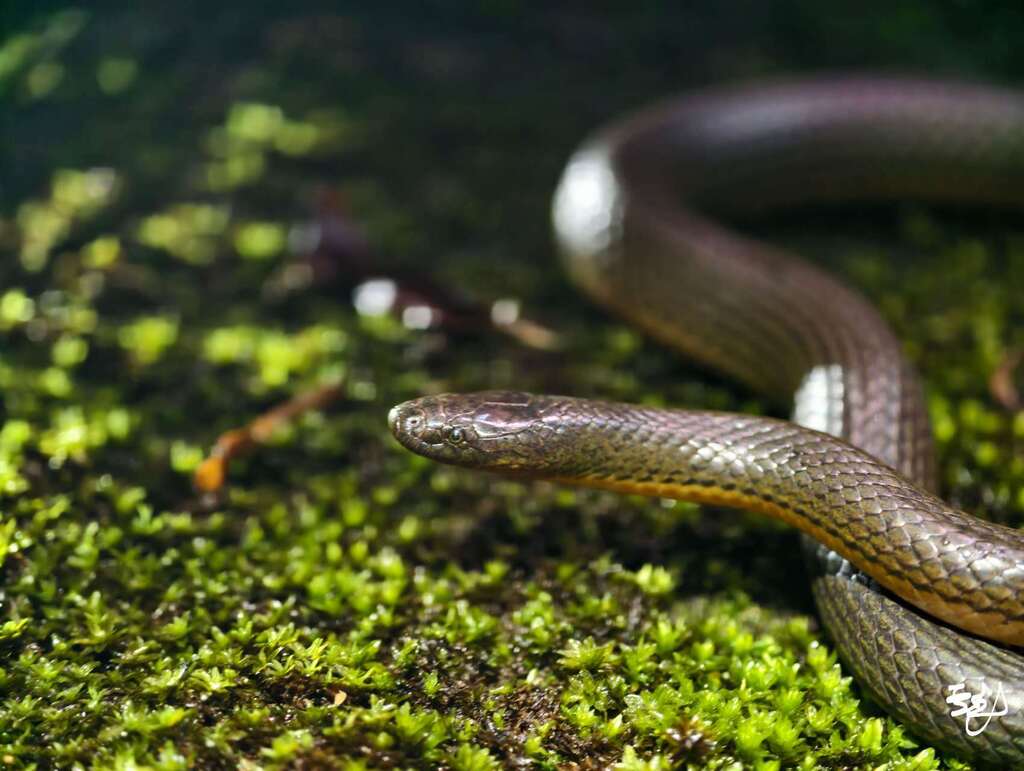
Snakes of Iceland
Iceland has 4 snake species recorded in our database, none recorded as venomous. The great majority of species are non-venomous. In reality Iceland has no native snake population at all. It is a subarctic North Atlantic island shaped by volcanic activity, glaciers, and a cool oceanic climate, and these conditions are far too harsh for snakes to establish wild populations. Any snakes connected to Iceland are kept in captivity, appear in collections, or arrive through trade, rather than living and breeding in the landscape.
The geography that defines Iceland is exactly what excludes snakes. The country sits just south of the Arctic Circle, with long cold winters, short cool summers, and ground that ranges from lava fields and tundra to ice cap and treeless highland. Snakes are ectothermic, meaning they rely on external warmth to stay active, and there is simply not enough sustained heat for them to feed, breed, and survive a year. The same factors that keep Iceland free of native reptiles also limit the prey base and shelter that a wild snake would need.
Because there is no established wild snake fauna, there are no venomous snakes present in the Icelandic countryside. Where countries elsewhere in the world host venomous groups such as vipers, the cold North Atlantic setting of Iceland supports none in the wild. This is a plain fact of the island's biology, not a gap in knowledge. The species linked to Iceland in records reflect captive or non-native presence rather than a population you would encounter on a hike or near a home.
Snakes still play a real ecological role in the places where they do live naturally, even if Iceland is not one of them. Around the world, snakes help control rodent and insect populations and serve as prey for birds and mammals, keeping food webs in balance. Iceland's own ecological story is instead carried by birds, fish, marine mammals, and a small set of land animals adapted to the cold, which is why the absence of snakes is a normal feature of this particular environment.
On safety, the honest summary is straightforward. Iceland has no wild venomous snakes to worry about, and the great majority of snakes anywhere are harmless. That does not mean any wild venomous snake elsewhere should ever be handled, because handling is how most serious bites happen. If a venomous snakebite occurs in any country, the correct response is professional medical care, where antivenom and hospital treatment are provided. Do not rely on home remedies. In the United States contact Poison Control at 1-800-222-1222, and anywhere call your local emergency services.
Snakes in Iceland: FAQ
- Are there venomous snakes in Iceland?
- No venomous snakes have verified records in Iceland. Every snake recorded here is harmless to humans, though any snake may bite defensively if handled.
- How many snake species live in Iceland?
- 4 snake species have verified records in Iceland.
- What is the most commonly seen snake in Iceland?
- The Maxwell's Mountain Keelback is the most frequently reported snake in Iceland, based on verified wildlife observations.
Every snake recorded in Iceland
4 species across 2 families, grouped by family. Venomous flagged.
Colubridae (3)
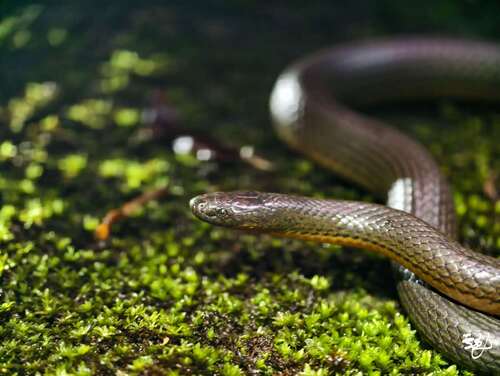
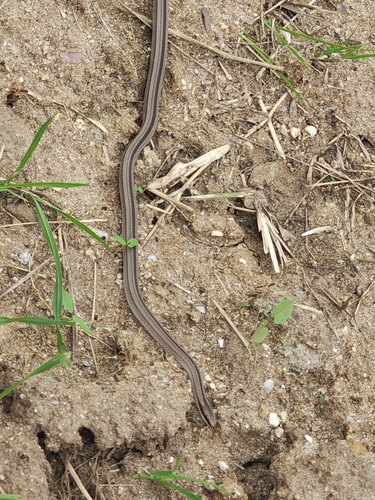
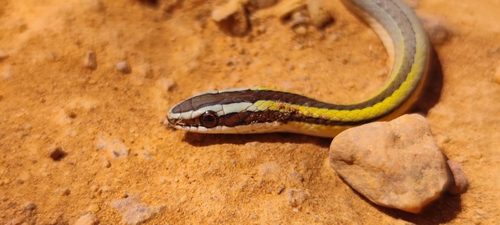

Compiled from verified GBIF & iNaturalist observations. "How often seen" reflects how frequently a snake is reported here, not how dangerous it is. Informational only.
Keep learning
- What Is a Snake? Anatomy and the BasicsA clear overview of what makes a snake a snake: limbless body plan, anatomy, evolution from lizards, species diversity, and why they are ectothermic.
- What to Do If You Find a SnakeFound a snake at home or on a trail? Here is how to stay calm, give it space, identify it safely, and know when to call a professional.
- How to Keep Snakes Out of Your Yard and HomeA practical guide to keeping snakes out of your yard and home using habitat changes that work, plus what to skip and what to do if one shows up.
- Are Snakes Dangerous? The Real Risk, in PerspectiveMost snakes are harmless and avoid people. Here is the honest picture of snakebite risk worldwide and how to lower your own.