
French Southern Territories
Snakes in French Southern Territories
1 snake species have been recorded in French Southern Territories, 1 venomous.
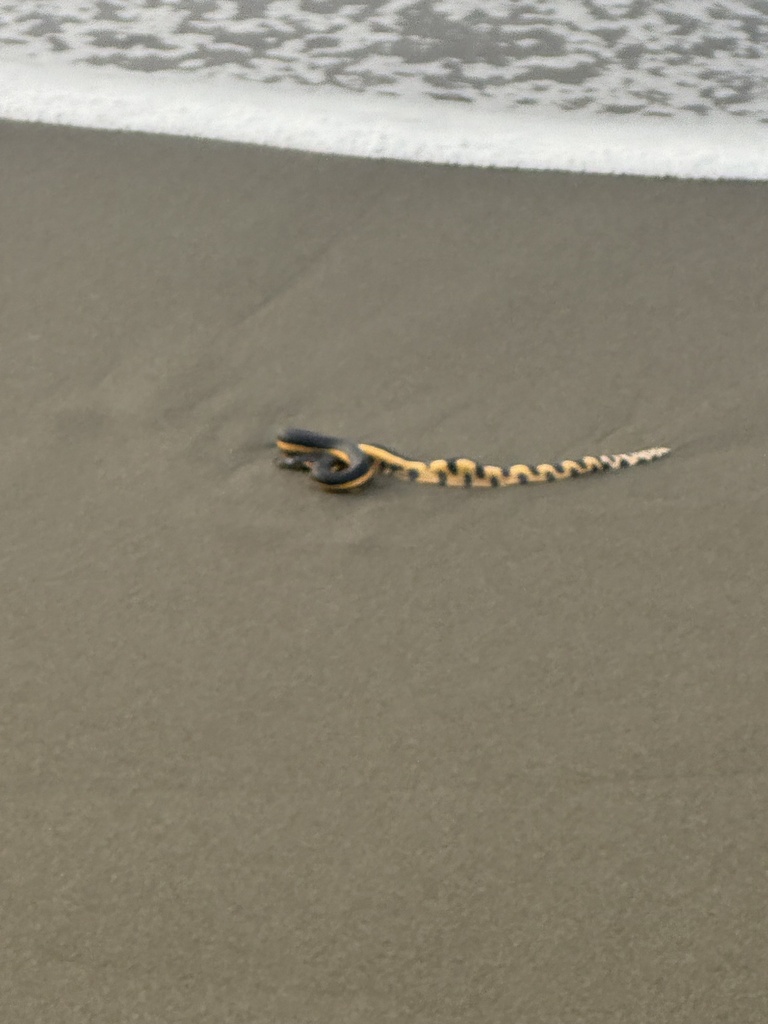
Snakes of French Southern Territories
The French Southern and Antarctic Lands are among the most hostile places on Earth for snakes. The territory is a scatter of cold, wind-battered subantarctic islands and archipelagos, including the Kerguelen Islands, the Crozet Islands, the Saint-Paul and Amsterdam islands, plus Adelie Land on the Antarctic continent and the scattered tropical Eparses islands in the Indian Ocean. The subantarctic cores sit in the path of the Roaring Forties, swept by near-constant gales, with cold summers, frequent frost, and no native land reptiles of any kind. Snakes are ectotherms that depend on external warmth to digest, move, and reproduce, and these latitudes simply do not provide it. As a result there is no naturally established terrestrial snake fauna across the cold heart of the territory.
Our database records 1 snake species for the French Southern Territories, of which 1 is venomous. That single entry reflects the territory's marine and tropical edges rather than the frozen subantarctic islands. The warm waters around the tropical Eparses islands fall within the range of sea snakes, true marine elapids that spend their lives at sea and never depend on warm land for basking. These are highly venomous animals by family, but they are not aggressive toward people, tend to avoid contact, and bites away from fishing nets are very rare. The great majority of snake species worldwide are non-venomous, and the cold-water bulk of this territory simply hosts none at all.
There are no native land snakes on the windswept subantarctic islands, and no resident harmless terrestrial species to speak of. This is a place defined by its birds and marine mammals, including vast colonies of penguins, albatrosses, petrels, and seals, rather than by reptiles. Where snakes touch this territory at all, it is through the ocean and the tropical islets, not through the cold core that gives the region its character. That makes the French Southern Territories one of the clearest examples of a place whose climate excludes snakes almost entirely.
Even with a near-absent fauna, snakes matter ecologically wherever they do occur. In tropical and marine systems, sea snakes are mid-level predators that help regulate populations of small fish and eels, and they in turn feed larger predators. Healthy reptile and marine predator numbers are a sign of a functioning food web. The absence of snakes across the subantarctic islands is itself ecologically meaningful, leaving those food chains built around seabirds, marine mammals, fish, and invertebrates instead.
For anyone visiting or working in the territory, the practical snake risk on the cold subantarctic islands is effectively nil, and most species worldwide are harmless. The realistic concern is limited to sea snakes in the warm waters near the tropical Eparses islands, mainly for fishers handling nets. No wild venomous snake should ever be handled, regardless of how docile it seems. If a bite occurs, the only correct response is immediate professional medical care: hospital treatment and antivenom where indicated. Contact local emergency services, or in the United States call Poison Control at 1-800-222-1222. Do not rely on field first-aid measures in place of emergency care.
Snakes in French Southern Territories: FAQ
- Are there venomous snakes in French Southern Territories?
- Yes. 1 venomous snake species has verified records in French Southern Territories, including Yellow-bellied Sea Snake. Most snakes in French Southern Territories, however, are harmless.
- How many snake species live in French Southern Territories?
- 1 snake species has verified records in French Southern Territories, of which 1 is venomous.
- What is the most commonly seen snake in French Southern Territories?
- The Yellow-bellied Sea Snake is the most frequently reported snake in French Southern Territories, based on verified wildlife observations.
- What should I do if I see a venomous snake in French Southern Territories?
- Keep your distance and do not try to catch or kill it. Most bites happen when people handle or corner a snake. If someone is bitten, contact local emergency services or poison control immediately.
Venomous snakes in French Southern Territories
Every snake recorded in French Southern Territories
1 species across 1 families, grouped by family. Venomous flagged.
Compiled from verified GBIF & iNaturalist observations. "How often seen" reflects how frequently a snake is reported here, not how dangerous it is. Informational only.
Keep learning
- Are Snakes Dangerous? The Real Risk, in PerspectiveMost snakes are harmless and avoid people. Here is the honest picture of snakebite risk worldwide and how to lower your own.
- Snakebite First Aid: What to Do (and What Never to Do)A clear, CDC-based guide to snakebite first aid: the steps that help, the popular myths that hurt, and how to tell a serious bite from a minor one.
- Venomous vs Nonvenomous: How to Tell the DifferenceThe folk rules for telling venomous snakes apart, where each one fails, and why location-based identification beats guessing by sight.
- What to Do If You Find a SnakeFound a snake at home or on a trail? Here is how to stay calm, give it space, identify it safely, and know when to call a professional.