
Biology & behavior
Why Snakes Shed Their Skin
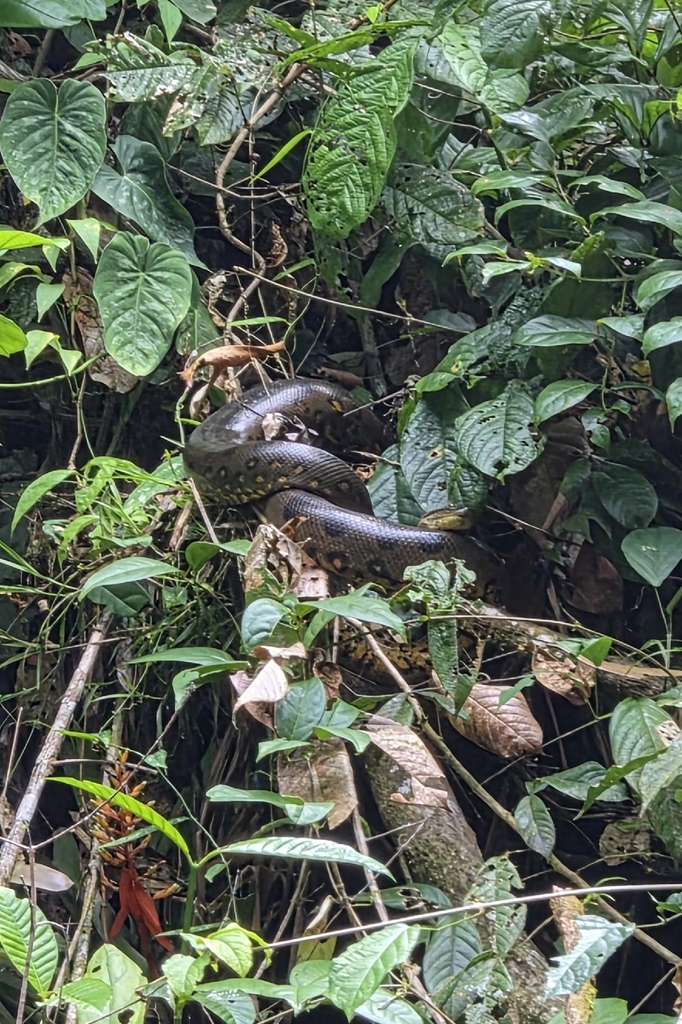
Snakes shed their skin to grow and to replace worn, damaged outer layers. Unlike mammals, which lose skin cells continuously and invisibly, a snake renews its entire outer skin in a single coordinated event called ecdysis. Understanding why and how this happens explains a lot about snake biology and is one of the clearest signals of a captive snake's health.
The core reason: growth and renewal
A snake's outer skin layer is made of keratin and does not stretch or grow the way the underlying tissue does. As the snake's body grows, the old outer layer becomes too small and worn. Shedding lets the snake replace that fixed outer layer with a fresh, larger one, so the new skin matches the body underneath.
Renewal matters even when growth slows. The outer skin accumulates wear, scratches, parasites, and bacteria over time. Shedding clears all of that at once, giving the snake a clean surface. This is why even fully grown adult snakes continue to shed throughout their lives, just less frequently than fast-growing juveniles.
How the shedding process works
Ecdysis begins below the surface. Specialized cells produce a new skin layer underneath the old one, and a thin layer of fluid and enzymes forms between the two. This fluid separates the old skin from the new and is what makes the old layer release cleanly.
During this phase the snake's eyes often turn cloudy or bluish because the fluid also collects under the clear scale that covers each eye, called the spectacle or eye cap. After a few days the eyes clear again, and within roughly a week the snake rubs its nose and head against a rough surface to split the old skin near the mouth. It then crawls forward, peeling the old skin off inside out, ideally in one continuous piece.
Why the shed often comes off in one piece
A healthy snake typically sheds in a single, intact tube that turns inside out as the snake crawls free. This happens because the separating fluid loosens the entire outer layer uniformly, and the snake uses friction along its whole body to pull the old skin backward off itself.
A shed that comes off in patches rather than one piece often points to a problem, most commonly low humidity. The complete shed, including the clear eye caps, is one reason keepers inspect the discarded skin. A full inside-out tube with both eye caps attached is a sign the process went well.
How often snakes shed and what changes it
Shedding frequency depends mostly on growth rate. Young, fast-growing snakes may shed every few weeks, while mature adults often shed only a few times a year. The faster the snake is growing, the more often it needs a larger outer skin.
Several factors influence the schedule. Feeding rate, temperature, season, species, and overall health all play a role, since growth and metabolism drive the cycle. Injury or skin damage can also trigger an out-of-cycle shed as the snake works to replace the compromised area.
What shedding signals about health
For captive snakes, the shed cycle is one of the most useful health indicators a keeper has. Clean, complete, regular sheds suggest good hydration, appropriate humidity, and proper husbandry. Problem sheds are an early warning sign worth addressing.
Incomplete shedding, known as dysecdysis, is usually caused by humidity that is too low, dehydration, poor nutrition, external parasites such as mites, or underlying illness. Retained skin is a particular concern around the eyes, where a stuck eye cap can cause damage, and at the tail tip, where bands of retained skin can constrict and cut off circulation. Persistent or repeated shedding problems in a pet snake warrant a consultation with a reptile veterinarian rather than home guesswork.
Helping a captive snake shed well
The most effective thing a keeper can do is maintain correct humidity for the species, since dry conditions are the leading cause of bad sheds. Providing a humid hide, a shallow water bowl large enough for the snake to soak in, and surfaces with some texture for the snake to rub against all support a clean shed. These recommendations apply to captive pet snakes kept under appropriate husbandry.
Avoid handling a snake while it is in shed if you can. During the cloudy-eyed phase the snake's vision is poor and it may be more defensive and stressed. Pulling on retained skin yourself can injure the snake, so soaking and patience are the safer first steps, and a reptile veterinarian should handle anything that does not resolve. Never attempt to keep or handle a wild-caught venomous snake to observe its shedding; wild snakes are not pets and should be left alone.
Frequently asked
- Do snakes shed their skin all at once or gradually?
- Healthy snakes shed their entire outer skin in one coordinated event, ideally peeling off in a single inside-out piece. This is different from mammals, which lose skin cells continuously and invisibly.
- Why do a snake's eyes turn cloudy before shedding?
- The separating fluid that loosens the old skin also collects under the clear eye cap, making the eyes look cloudy or bluish. The eyes clear up again a few days before the snake actually sheds.
- How often does a snake shed its skin?
- It depends on growth rate. Fast-growing young snakes may shed every few weeks, while adult snakes often shed only a few times a year. Feeding, temperature, season, and species all affect the schedule.
- Is it bad if my pet snake's skin comes off in pieces?
- A shed that comes off in patches usually signals a problem, most often humidity that is too low. Raising humidity and providing a humid hide and a water bowl to soak in usually helps. If shedding problems persist, especially retained skin near the eyes or tail tip, consult a reptile veterinarian.
- Should I help my snake shed if skin gets stuck?
- Do not pull on retained skin, since that can injure the snake. Improve humidity and let the snake soak in shallow water first. Retained eye caps or bands of stuck skin on the tail need attention from a reptile veterinarian if they do not come off on their own.
Last reviewed June 22, 2026. Informational only, and not a substitute for professional medical or wildlife advice.