
Biology & behavior
Do Snakes Chase People?
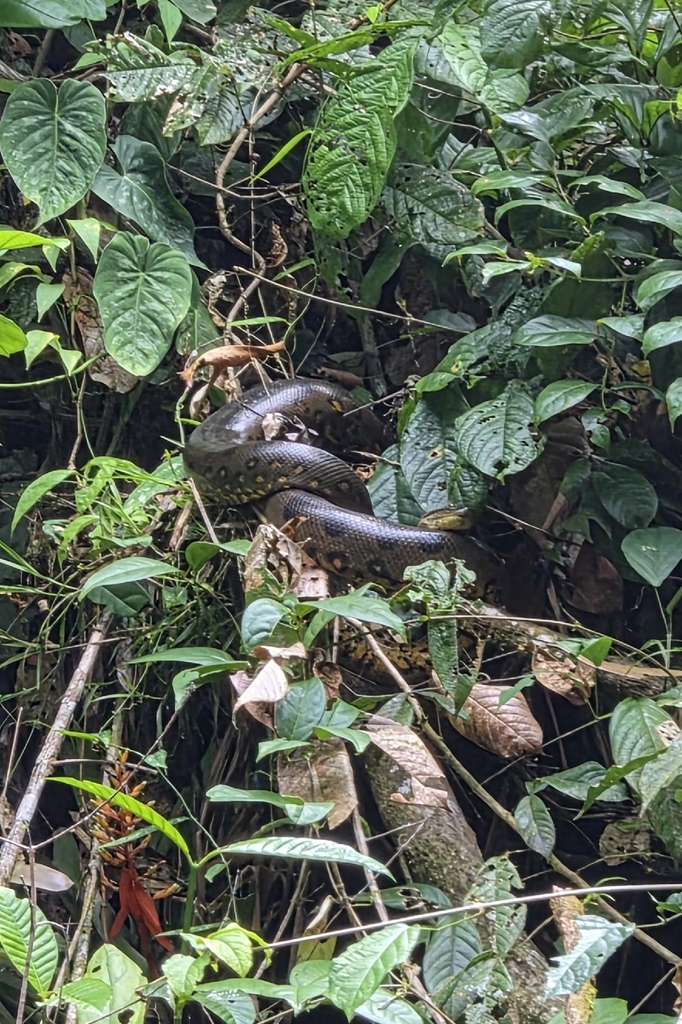
Snakes do not chase people. No species native to North America, and effectively none worldwide, treats a human as prey or hunts a person down. What looks like a chase is almost always a frightened animal trying to reach cover, or in rare cases a defensive bluff, and understanding the difference makes encounters far less alarming.
The short answer: no, snakes do not chase people
Across mainstream herpetology there is broad agreement that snakes do not pursue humans. People are far too large to be prey, and a snake has no motive to expend energy or risk injury attacking something it cannot eat. The driving instinct in nearly every snake encounter is escape, not aggression.
When a snake appears to come toward a person, it is usually heading for the nearest shelter, which may simply happen to be in the same direction as the human. A burrow, a rock pile, a stream, or dense brush behind you can all read as the snake moving at you when it is really moving past you. Step to the side and the illusion of pursuit almost always disappears.
Why the chasing myth is so persistent
The myth survives because real encounters are brief, startling, and easy to misread. Adrenaline distorts perception, a fast-moving snake feels threatening, and a story about being chased is more memorable and more often repeated than a story about a snake quietly slipping away. Folklore around specific species, such as exaggerated tales about racers or cottonmouths, adds to the impression.
Confirmation bias does the rest. Once someone believes snakes chase people, any forward motion confirms it, while the far more common retreats go unnoticed. The biology simply does not support a snake selecting a human as something to hunt. A reptile that warms itself in the sun and ambushes small prey gains nothing from chasing a person many times its size.
What looks like chasing but is not
The most common cause is shared escape routes. If you are standing between a snake and its only nearby cover, it may move toward you because that is where safety is, not because it wants to reach you. This is the single biggest source of chase reports, and it is resolved instantly by moving aside.
Other behaviors get misread too. A cornered snake may make short forward lunges or bluff strikes to create space, then flee the moment it can. Some fast diurnal snakes, like racers and coachwhips, move quickly and erratically, which can look like pursuit even though they are fleeing. On rare occasions a snake will follow a vibration or warmth source briefly, but this is investigation or confusion, not a hunt.
Defensive behavior is not the same as aggression
A snake that stands its ground, coils, hisses, rattles, flattens its neck, or strikes is defending itself, not attacking you. These are warnings designed to make a larger animal leave. A defensive snake wants distance, and every one of these displays is a request for you to back off, not a prelude to chasing you down.
Give it that distance and the display ends. Snakes do not hold grudges or track people, and they do not abandon a defensive posture to follow a retreating human. Reading these signals correctly turns a frightening moment into a manageable one: the snake is telling you exactly what it wants, which is to be left alone.
What to do if a snake comes toward you
Stop, stay calm, and do not make sudden movements. Identify which direction the snake is heading and step sideways or backward to open a clear path between the animal and the nearest cover. In the large majority of cases the snake will continue on its way once you are no longer in its escape line. Most species cannot move faster than a person can walk away.
Do not try to catch, corner, kill, or handle a wild snake, and never attempt to handle a wild venomous snake under any circumstances. Most bites happen when people try to interact with a snake rather than simply leaving. Keep pets and children back, and give the animal room. If a snake is inside a home or somewhere it must be removed, contact a local wildlife or pest professional rather than attempting removal yourself.
When the encounter involves a bite
If a snake bites a person, treat it as a medical situation regardless of whether you think the snake is venomous. Move away from the snake, keep the bitten person calm and as still as practical, remove rings or tight items near the bite in case of swelling, and seek emergency care immediately.
Do not cut the wound, do not try to suck out venom, do not apply a tourniquet, and do not apply ice. These outdated methods can cause real harm. In the United States, call Poison Control at 1-800-222-1222 or call 911, and follow the instructions of medical professionals. Getting to definitive care quickly matters far more than anything done at the scene.
How to reduce snake encounters in the first place
Most encounters are avoidable with simple habitat awareness. Snakes are drawn to cover and food, so keeping grass cut, clearing brush and debris piles, sealing gaps around foundations, and controlling rodents removes the reasons a snake would linger near a home. Store firewood and clutter away from where people walk.
When hiking or working in snake country, stay on cleared paths, watch where you place hands and feet, and wear closed shoes or boots in tall grass. Use a light at night. The goal is not fear but awareness: snakes avoid people when they can, and giving them space to do so prevents nearly all conflict.
Frequently asked
- Can any snake actually outrun a person?
- No. Even fast species like racers and coachwhips move slower than a person can walk or jog away, and they are fleeing rather than pursuing. You do not need to sprint; calmly moving away is enough.
- Why do cottonmouths get a reputation for being aggressive?
- Cottonmouths often stand their ground and gape open their white mouth as a warning display rather than fleeing, which people read as aggression. Studies of their behavior show they rely on bluff and rarely bite unless stepped on or handled. They are defending space, not chasing.
- What if a snake follows me down a trail?
- It is almost certainly heading for cover that happens to be in the same direction, or moving along the same easy path you are. Step well off to the side and stop. The snake will continue on its own route once you are out of its line of travel.
- Do baby snakes chase or behave more aggressively than adults?
- No. Juvenile snakes are not more aggressive and do not chase. The common claim that baby venomous snakes cannot control their venom is also not supported by evidence. Treat any snake, of any size, by giving it distance and leaving it alone.
- Is it safe to handle a wild snake if I am sure it is harmless?
- You should not handle wild snakes. Identification mistakes are easy and common, handling stresses the animal, and most bites occur during attempted handling. Leave wild snakes alone and call a wildlife professional if one must be removed.
Last reviewed June 22, 2026. Informational only, and not a substitute for professional medical or wildlife advice.