
Biology & behavior
Do Snakes Hibernate? Brumation Explained
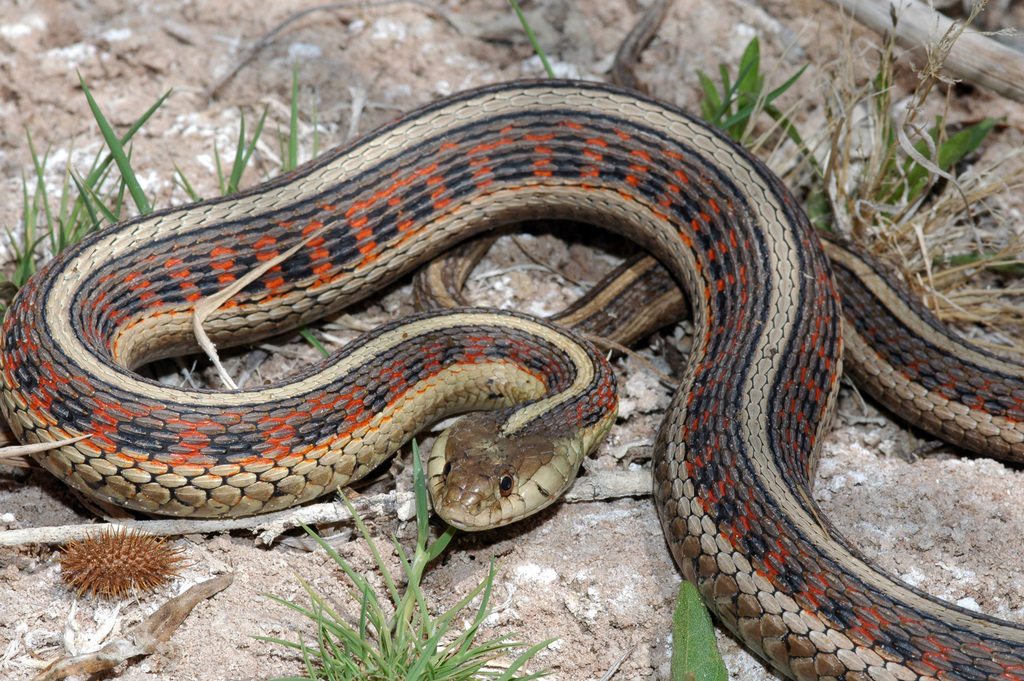
When temperatures drop, snakes go through a slowdown that looks like hibernation but is not quite the same. The correct term is brumation, a reptile form of cold-weather dormancy. This guide explains how brumation works, where snakes overwinter, how it differs from mammal hibernation, and why people see more snakes in spring and fall.
What is brumation?
Brumation is the cold-weather dormancy that reptiles, including snakes, use to survive winter. Because snakes are ectotherms, they cannot generate their own body heat. When the weather turns cold, their metabolism, heart rate, and activity drop sharply, and they become sluggish and largely inactive.
The key difference from a deep sleep is that brumation is driven by temperature. A snake in brumation is conserving energy rather than fully shutting down, and it can still respond to its environment when conditions allow.
Is brumation the same as hibernation?
No. The two are related but distinct. Hibernation is used to describe the dormancy of warm-blooded mammals, which lower their body temperature and metabolism but are sustained internally. Brumation describes the same broad idea in cold-blooded reptiles, whose state depends almost entirely on outside temperature.
The practical difference is movement. A hibernating mammal generally stays put through the cold season. A brumating snake does not eat for weeks or months, but on an unusually warm winter day it may rouse, shift position, or come to the surface to drink before settling back down.
Do snakes still move and drink during winter?
Yes, and this surprises many people. Brumation is not a continuous coma. On warm spells, snakes may emerge briefly to bask or to find water.
Hydration is the main reason for these wakeups. A snake can survive months without food during brumation, but it still loses moisture and needs to drink periodically to avoid dehydration. This is why a den that holds steady, humid conditions is so valuable to an overwintering snake.
Where do snakes overwinter?
Snakes seek out spots that stay above freezing and protect them from the worst of the cold. Common overwintering sites, often called hibernacula, include underground burrows, deep rock crevices, the abandoned dens of small mammals, hollow logs, root systems, and the foundations or crawl spaces of buildings.
The ideal site sits below the frost line and holds a stable temperature and some humidity. Snakes return to good sites year after year, and a single productive den can be used by generations of snakes.
Why do snakes sometimes brumate together?
Suitable overwintering sites are limited, so many snakes will share one. Some species form large communal dens where dozens or even hundreds of individuals gather in the same hibernaculum.
These gatherings can also include more than one species. It is not unusual for different kinds of snakes to share the same den simply because safe, frost-free space is scarce. Clustering together may also help reduce moisture loss in the close, sheltered conditions of the den.
What happens when snakes emerge in spring?
As temperatures climb in spring, snakes leave their dens. The first priority is warmth. Newly emerged snakes spend a lot of time basking in the sun to raise their body temperature and restart their metabolism.
Mating often follows soon after emergence, sometimes right at or near the den site. After being dormant and unfed all winter, snakes are also hungry and begin hunting again. This combination of basking, mating, and feeding makes spring a period of high snake activity.
Why do people see more snakes in spring and fall?
Snake sightings tend to surge twice a year, and brumation explains both. In spring, snakes pour out of their dens to bask, mate, and feed, so they are suddenly visible and active after months out of sight.
In fall, the pattern reverses. As nights cool, snakes travel back toward their overwintering sites and may pass through yards, trails, and other areas on the way. They also try to feed and warm up while they still can. Both seasonal surges are normal, temperature-driven movement rather than a sign of an infestation.
What this means around your home
If you live where winters get cold, expect snakes to be most noticeable in spring and fall and largely absent in the depths of winter. A snake seen out on a mild winter day is usually just drinking or shifting position, not a cause for alarm.
Because snakes overwinter in burrows, rock piles, woodpiles, and building foundations, sealing gaps and clearing sheltered debris before cold weather can discourage them from choosing your property as a den. Keeping these areas tidy is the most reliable way to reduce close encounters at the start and end of the season.
Frequently asked
- Do all snakes brumate?
- Snakes in regions with cold winters brumate to survive the season. Snakes in consistently warm climates may stay active year-round and brumate little or not at all, since brumation is triggered by falling temperatures rather than a fixed internal clock.
- How long does brumation last?
- It depends on the climate. Brumation can run anywhere from a few weeks to several months, typically from fall through early spring. The colder and longer the winter, the longer snakes stay dormant.
- Can a snake die during brumation?
- Yes. If a snake cannot find a den below the frost line, it can freeze. Snakes that enter winter in poor condition, or that dehydrate without access to water, are also at risk. A stable, frost-free, humid site is what keeps them alive.
- Why am I seeing a snake in the middle of winter?
- On an unusually warm winter day, a brumating snake may briefly surface to bask or drink before returning to its den. This is normal behavior and does not mean the snake has ended brumation for the season.
- Is it true snakes den together in winter?
- Yes. Safe overwintering sites are limited, so snakes often share a single hibernaculum. Some species form large communal dens, and different species sometimes share the same site because frost-free space is scarce.
- When are snakes most active?
- Activity peaks in spring, when snakes emerge to bask, mate, and feed, and again in fall, when they travel back toward their overwintering sites. Both surges are driven by temperature.
Last reviewed June 22, 2026. Informational only, and not a substitute for professional medical or wildlife advice.