
Biology & behavior
How Fast Can Snakes Move?
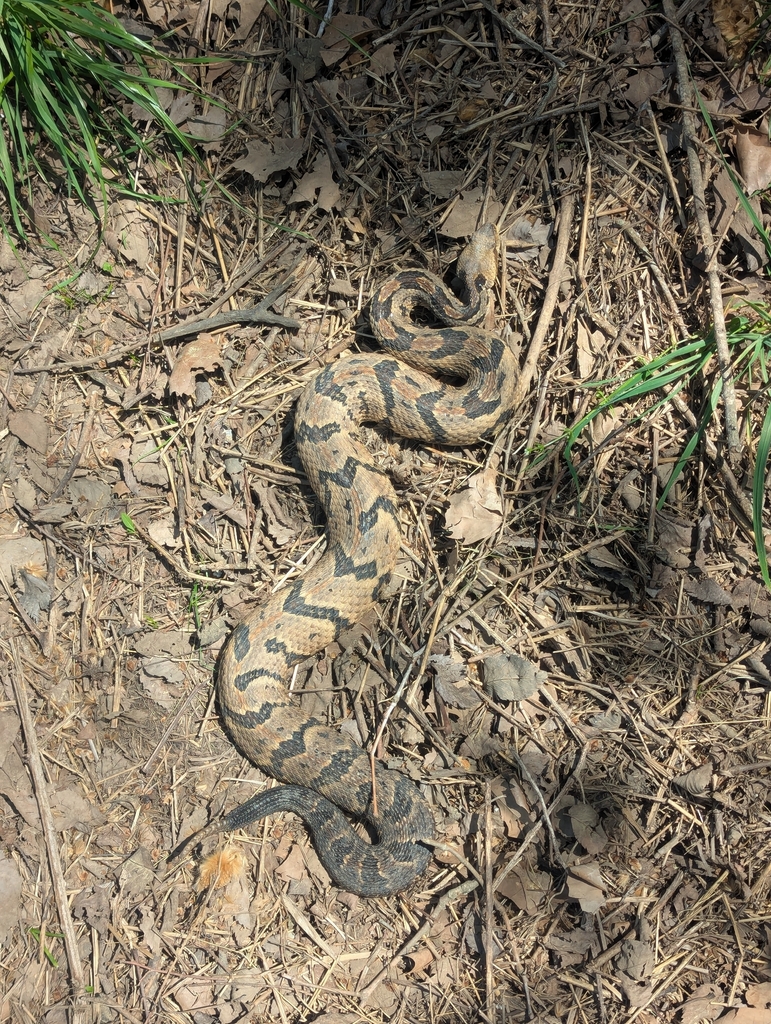
Snakes have a reputation for being fast, but most of them are slow movers that travel only a few miles per hour. A small number of species can manage short, faster bursts, and even slow snakes can strike in a fraction of a second. Understanding the difference between travel speed and strike speed makes snake encounters far less frightening.
How fast do most snakes actually move?
The typical snake is not a fast traveler. Most species move at roughly 1 to 3 miles per hour across open ground, which is slower than a relaxed human walk.
Snakes have no limbs, so all forward motion comes from pushing their body against surface friction, rocks, plants, or uneven terrain. On smooth, flat ground they can struggle to make progress at all.
Speed also depends on body temperature. Snakes are ectotherms, so a cool snake in the early morning moves sluggishly, while a warm snake in midday sun can be noticeably quicker.
Which snakes are the fastest?
The black mamba is widely regarded as one of the fastest snakes on land. It can reach an estimated 10 to 12 miles per hour in short bursts over smooth, flat terrain.
Other relatively quick species include the sidewinder and some racers and whipsnakes, named for their comparatively brisk movement.
Even these speeds are short-lived. A snake cannot sustain a sprint, and these figures represent brief, ideal-condition bursts rather than steady cruising pace.
Can a snake outrun a person?
No. The fast estimate for a black mamba, around 10 to 12 miles per hour, is roughly the pace of a jogging human and far below a determined run.
An average adult can run about 8 to 12 miles per hour over a short distance, and trained runners go much faster. The vast majority of snakes, moving at only a few miles per hour, are easily outpaced.
Snakes also cannot maintain top speed. Over any real distance a person walking steadily will pull away from any snake on Earth.
Why do snakes seem so fast?
The sense that snakes are fast usually comes from surprise rather than actual speed. A snake that bolts a few feet to escape can look explosive when you did not expect it to move at all.
Sudden direction changes add to the impression. A fleeing snake may dart sideways toward cover, which reads as speed even though it covers little ground.
Strike speed is the other source of the myth. The lunge of a defensive strike is genuinely fast, and people often confuse that quick local movement with how fast a snake can travel.
Strike speed versus travel speed
Strike speed and travel speed are two different things. A snake that crawls at walking pace can still strike in a tiny fraction of a second.
A defensive strike is a short, explosive lunge over a limited distance, usually no more than about half the snake's body length. It is powered by a coiled, spring-loaded posture, not by sustained motion.
This is why even slow species deserve respect at close range. The danger is the strike zone immediately around the snake, not its ability to chase you down.
Do snakes chase people?
Snakes do not chase people in the predatory sense. They are not interested in humans as prey, and a person is far too large to eat.
What looks like a chase is almost always a frightened snake heading for the nearest cover, which can happen to be in your direction. It is fleeing, not pursuing.
A few defensive species may advance or hold ground if cornered, but giving them space resolves the encounter. Step back and the snake almost always moves away.
What this means for your safety
You do not need to outrun a snake. Since most travel at only a few miles per hour and none can sustain a chase, calmly backing away is enough to stay clear of the strike zone.
Avoid sudden movements that might be read as a threat. Slowly increase your distance, give the snake an open path to escape, and do not try to handle, corner, or kill it.
Most bites happen when people reach for or step on a snake, not when it travels toward them. Keep your distance and the speed question stops mattering.
Frequently asked
- What is the fastest snake in the world?
- The black mamba is generally considered the fastest, with short bursts estimated around 10 to 12 miles per hour on smooth, flat ground. It cannot sustain that pace for long.
- Can a snake catch up to me if I walk away?
- No. Most snakes move at only a few miles per hour and cannot keep up a chase. Walking steadily away will put distance between you and any snake.
- How fast can a snake strike?
- A defensive strike happens in a fraction of a second. Even slow-moving species strike very quickly over a short distance, which is why you should keep clear of the immediate area around a snake.
- Do snakes move faster in warm weather?
- Yes. Snakes are cold-blooded, so a warm snake moves more quickly and actively than a cool one. In cool conditions they are noticeably sluggish.
- Why does it look like a snake is chasing me?
- It is almost always a frightened snake fleeing toward cover that happens to be in your direction. Snakes have no interest in chasing people, and moving aside lets it pass.
- How far can a snake strike?
- Most snakes can strike only a short distance, often around one third to one half of their body length. Staying well outside that range keeps you safe.
Last reviewed June 22, 2026. Informational only, and not a substitute for professional medical or wildlife advice.