
Living with snakes
Why Snakes Matter: Their Role in Nature
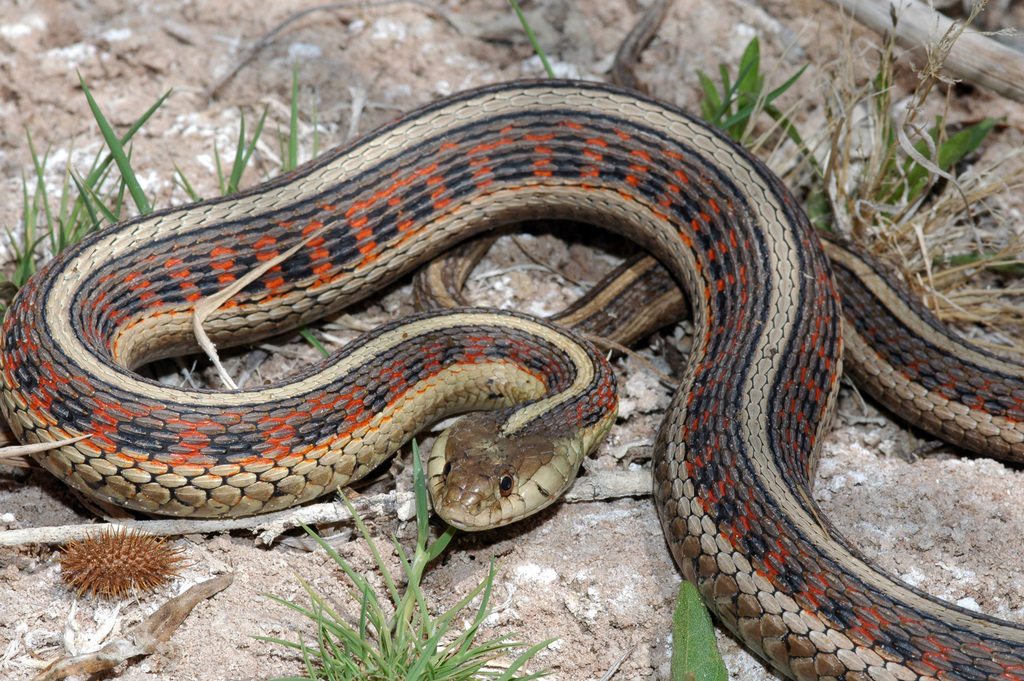
Snakes rarely get credit, but they are one of the hardest working groups of animals in any ecosystem. They sit in the middle of the food web as both predator and prey, and removing them tends to cause problems that are far worse than the snakes themselves. This guide explains the specific roles snakes play and why their presence near your home is usually a sign of a healthy environment.
Snakes control rodent populations
The single most valuable thing snakes do for people is eat rodents. Rats and mice reproduce quickly, and a small population can become an infestation in a single season. Many common snakes, including rat snakes, gopher snakes, kingsnakes, and milk snakes, are rodent specialists that hunt mice, rats, voles, and the young of larger pests.
A single rat snake can eat dozens of rodents over a year, and the snakes do this work for free, around the clock, in places traps and bait stations cannot reach. Rodents also carry diseases and damage crops, wiring, and stored food, so a healthy snake population quietly reduces costs and risks for farms, barns, and homes.
They reduce the spread of tick-borne disease
Rodents are a major reservoir for the ticks that carry Lyme disease and other tick-borne illnesses. Mice in particular host large numbers of immature ticks and are efficient at passing pathogens to them. When snakes keep rodent numbers down, they indirectly reduce the number of infected ticks in the surrounding habitat.
Researchers studying forest ecosystems have noted that declines in snake populations can coincide with rising rodent numbers, which in turn can raise local tick loads. Snakes are not a cure for Lyme disease, but they are part of the natural pressure that keeps small mammal populations, and the parasites they carry, in check.
Snakes are both predator and prey in the food web
Snakes occupy a middle layer of the food web that few other animals fill as well. As predators they eat rodents, insects, amphibians, fish, eggs, and other reptiles. As prey they feed hawks, owls, eagles, herons, foxes, coyotes, bobcats, and larger snakes. This dual role makes them a key link that energy flows through on its way up and down the food chain.
Because snakes connect so many species, their loss ripples outward. Predators that rely on snakes for food lose a meal source, while the prey snakes once controlled can surge. Ecologists describe species like this as having outsized influence relative to their numbers, which is why protecting snakes often protects the wider community of animals around them.
Some snakes disperse seeds and support plant life
Snakes contribute to plant communities in a way most people never see. When a snake eats a rodent or bird that has been feeding on fruit and seeds, those seeds can pass through the snake and be deposited elsewhere, sometimes still viable. This secondary seed dispersal helps move plants across a landscape.
Snakes also shape plant life indirectly by controlling the herbivores that eat seedlings and strip vegetation. Fewer unchecked rodents and rabbits means more young plants survive to maturity. The effect is subtle, but it ties snakes into the health of grasslands, forests, and the soil itself.
Snakes are a source of life-saving medicine
Snake venom is a complex mixture of proteins that has become a valuable source of medical compounds. Drugs derived from or inspired by venom are used to manage high blood pressure, prevent dangerous blood clots, and treat certain heart conditions. The blood-pressure medication captopril, for example, traces back to research on a pit viper.
Scientists continue to study venom for new treatments, including possible therapies for pain, cancer, and stroke. Every snake species carries a unique chemistry, so losing a species can mean losing a compound that was never studied. This makes biodiversity itself a kind of medical library worth protecting.
A snake in your yard is usually a good sign
When people find a snake near their home, the instinct is often fear, but a snake is usually evidence of a balanced local ecosystem. The snake is there because there is food, which most often means rodents, insects, or amphibians. In other words, the snake is doing pest control on your behalf.
The large majority of snakes people encounter are nonvenomous and want nothing to do with humans. Bites almost always happen when a snake is cornered, stepped on, or handled. The safe and effective response is to give the animal room and let it move on. Do not attempt to catch, kill, or handle a wild snake, and never handle a snake you cannot positively identify, because that is when most injuries occur. If you need a snake removed, contact a local wildlife or pest professional.
What happens when snakes disappear
Snake populations are declining in many regions due to habitat loss, road mortality, disease, climate change, and deliberate killing. Because snakes are tied to so many other species, their decline tends to set off a chain reaction rather than a single isolated loss.
Without enough snakes, rodent populations can climb, raising the risk of crop damage and disease. Predators that depend on snakes lose food. The balance that kept these systems stable starts to wobble. Conserving snakes is not about preferring snakes over other animals, it is about keeping the whole system functioning, which ultimately benefits people too.
Frequently asked
- Are snakes really helpful, or just dangerous?
- The vast majority of snakes are nonvenomous and provide real benefits, mainly by controlling rodents and insects. Even venomous species play important ecological roles. Bites are uncommon and usually result from someone trying to handle or kill the snake rather than leaving it alone.
- Should I remove a snake I find in my yard?
- In most cases the best response is to leave it alone and let it move on, since it is likely eating pests. Do not try to catch or kill it. If a snake is in a problem location or you are concerned about venomous species in your area, contact a local wildlife or pest control professional for safe removal.
- What do snakes actually eat?
- It depends on the species. Many common snakes eat rodents like mice and rats. Others specialize in insects, slugs, worms, frogs, fish, eggs, birds, or even other snakes. This range of diets is part of why snakes are so useful across different habitats.
- Do snakes help reduce disease?
- Indirectly, yes. By keeping rodent populations down, snakes can reduce the number of disease-carrying rodents and the ticks those rodents host, including ticks that spread Lyme disease. Snakes are one natural check among many, not a standalone solution.
- What should I do if I or a pet is bitten by a snake?
- Treat any bite from an unknown or venomous snake as a medical emergency. Stay calm, keep the bitten area still and below heart level if possible, and get to emergency care right away. In the United States, call Poison Control at 1-800-222-1222 or call 911. Do not cut the wound, try to suck out venom, or apply a tourniquet.
Last reviewed June 22, 2026. Informational only, and not a substitute for professional medical or wildlife advice.