
Living with snakes
Signs of Snakes: Shed Skins, Tracks, and Droppings
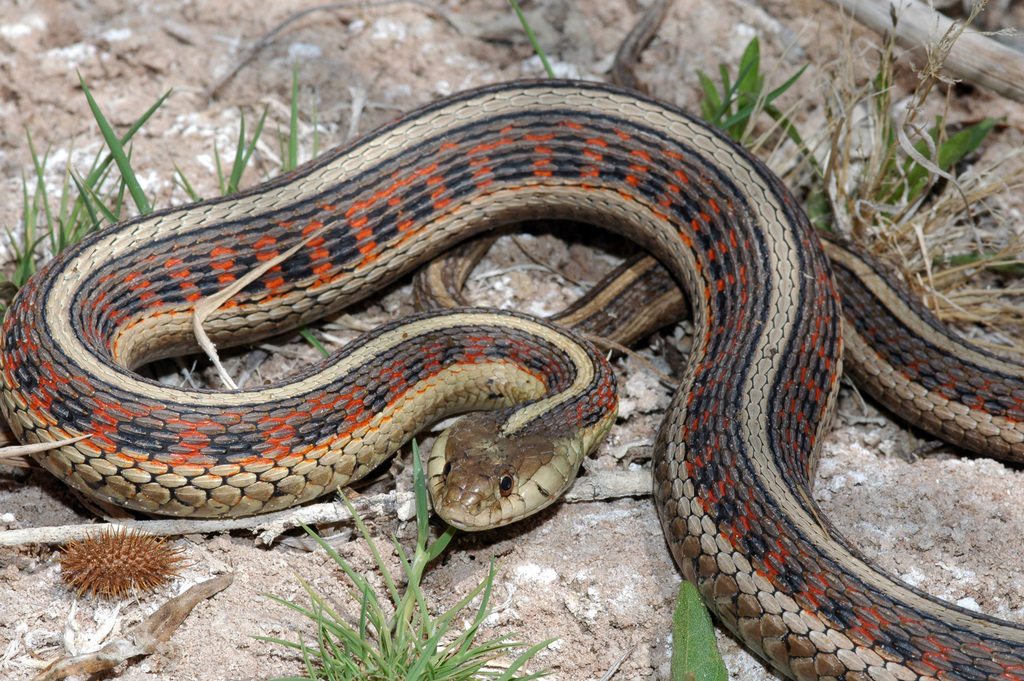
Snakes are quiet and secretive, so you often find evidence of them long before you see one. The most common signs are shed skins, tracks in loose dust or sand, and droppings. Each sign carries different information, and most of it is limited. Knowing what a sign can and cannot tell you keeps you from jumping to conclusions about species, size, or whether a snake is actually living nearby.
Shed skins: the most common and most useful sign
Snakes shed their outer skin periodically as they grow and to replace worn skin, a process called ecdysis. Healthy snakes usually shed in one continuous piece, so a complete shed looks like a long, dry, papery tube, often turned partly inside out. The scales are visible as a clear or whitish pattern with no color, since pigment stays in the snake.
A shed is the most reliable confirmation that a snake was present, because nothing else produces it. Sheds are durable and can sit for weeks in a dry, sheltered spot, so finding one tells you a snake was there at some point, not that one is there now.
Common places to find sheds are along foundations, under decks, in woodpiles, in garages and sheds, in dense ground cover, and snagged on rough surfaces the snake used to help peel the skin off.
What a shed skin can and cannot tell you
A shed can give you a rough idea of length, but not an exact one. Skin stretches during and after shedding, so a shed is usually longer than the snake that left it, sometimes noticeably. Treat a shed length as an upper estimate of the snake's size, not a precise measurement.
Species identification from a shed is possible but difficult and often unreliable for non-experts. The scale pattern, the shape and number of scale rows, and whether the belly scales are single or divided can point toward a group of snakes, but color and markings are gone, which removes the features most people rely on. One detail is genuinely useful: pit vipers such as rattlesnakes, copperheads, and cottonmouths have a single row of scales on the underside of the tail past the vent, while most non-venomous North American snakes have a double row. This is a clue, not a guarantee, and it requires a clean, complete shed.
A shed cannot tell you the snake's exact age, its sex, or whether it is still in the area. If you want a confident species ID, photograph the shed flat with a ruler for scale and send it to a local extension office, herpetology group, or wildlife agency.
Slither tracks in dust, sand, and soft ground
On loose surfaces like dry dust, fine sand, or soft soil, a moving snake can leave a track. The most familiar is a continuous wavy or S-shaped line where the body pushed against the ground. Sidewinding snakes leave a different mark, a series of separated parallel J-shaped or hook-shaped impressions rather than a continuous line.
Tracks can suggest direction of travel and give a rough sense of body width, which loosely relates to size. They rarely identify species. Wind, rain, foot traffic, and other animals erase or blur tracks quickly, so a track usually means recent activity, often within a day or so on an exposed surface.
Tracks are easy to confuse with marks left by dragged sticks, garden hoses, lizards, or rodents. Treat a single faint line with caution and look for corroborating signs before concluding a snake was there.
Droppings and scat: what snake poop looks like
Snake droppings are often mistaken for bird droppings because both contain a white or chalky portion. That white part is urate, the snake's nitrogen waste, which it passes together with the darker fecal material. A typical dropping is a dark, soft to firm mass, sometimes cord-like or in segments, with the white urate smeared on or attached to it.
Because snakes eat whole prey, droppings frequently contain undigested fur, bone fragments, feathers, or insect parts. Those inclusions are a useful tip-off that you are looking at a predator's scat rather than a herbivore's. Size of the dropping scales loosely with the size of the snake and its last meal.
Droppings confirm a snake fed and passed through, but they do not identify species and do not prove residence. Like sheds, they can persist for a while, especially when dry and sheltered.
Holes and burrows snakes may use
Most North American snakes do not dig their own burrows. They use existing holes made by rodents, chipmunks, moles, or other animals, along with cracks in foundations, gaps under slabs, rock crevices, and spaces in woodpiles or debris. So a hole is weak evidence on its own.
There is no reliable way to tell a snake hole from a rodent hole by appearance alone. Claims that a clean, open hole with no soil mound or no spiderwebs means a snake are unreliable, because rodents keep holes open too. A hole becomes meaningful only when paired with stronger signs nearby, such as a shed or repeated sightings at the same spot.
Do not reach into or probe holes by hand. If you suspect an active den and want it checked, contact a local wildlife or pest professional.
How reliable each sign is
Shed skin is the strongest single sign, because only a snake produces it. It confirms presence at some point and gives a rough size estimate, but it ages slowly, so it does not tell you a snake is currently around.
Droppings are also a solid confirmation of a snake when you can distinguish them from bird droppings by the prey remains inside. They suggest feeding activity but, like sheds, can be old.
Tracks are the most time-sensitive sign, often indicating recent movement, but they are also the easiest to misread and the quickest to vanish. Holes are the weakest sign and should never be treated as proof on their own. The most confident conclusions come from combining signs, for example a fresh shed plus droppings plus repeated sightings in the same area.
A sign means a snake passed through, not that it lives there
This is the point people most often get wrong. Snakes range widely, especially males during breeding season and any snake hunting prey, so finding one shed, one track, or one dropping usually means a snake moved through, not that it has set up residence at your home.
True residence is suggested by repetition over time: multiple sheds in the same sheltered spot across weeks, recurring droppings, or sightings of the same snake in the same place. A single sign is a snapshot of one moment, not a lease.
If you want to know whether a snake is actually living on your property, look for repeated evidence in sheltered, undisturbed areas with food and cover, such as woodpiles, dense ground cover, and rodent activity. Reducing those attractants is more effective than reacting to any one sign.
Frequently asked
- Does finding a shed skin mean a snake lives in my house or yard?
- No. A shed confirms a snake was present at some point, but sheds last for weeks and snakes travel widely. One shed usually means a snake passed through. Repeated sheds in the same spot over time are a stronger sign of residence.
- Can I identify the snake species from a shed skin?
- Sometimes, but it is hard and unreliable for non-experts because color and markings are lost in shedding. Scale patterns can narrow it down, and pit vipers tend to have a single row of scales under the tail past the vent while most non-venomous snakes have a double row. For a confident ID, photograph the shed flat with a ruler and ask a local extension office or wildlife agency.
- How can I tell snake droppings from bird droppings?
- Both have a white chalky portion, the urate. The giveaway for snake droppings is undigested prey remains inside, such as fur, bone fragments, or feathers, since snakes eat whole prey. Bird droppings do not contain those inclusions.
- How long do these signs stay around?
- Sheds and droppings are durable in dry, sheltered spots and can persist for weeks, so they do not prove a snake is there now. Tracks in dust or sand are the most short-lived and are often erased within a day by wind, rain, or foot traffic, which makes a clear track a sign of recent activity.
- Is an open hole in my yard proof of a snake?
- No. Most snakes do not dig their own holes; they reuse rodent burrows and existing crevices. A hole on its own is weak evidence, and there is no reliable way to tell a snake hole from a rodent hole by looks. Treat it as meaningful only alongside stronger signs like a shed or repeated sightings, and never probe a hole by hand.
- Can a shed skin tell me how big the snake is?
- Only roughly. Skin stretches during and after shedding, so a shed is usually longer than the snake. Use its length as an upper estimate of the snake's size rather than an exact measurement.
Last reviewed June 22, 2026. Informational only, and not a substitute for professional medical or wildlife advice.