
Living with snakes
Baby Snakes and Snake Eggs in Your Yard
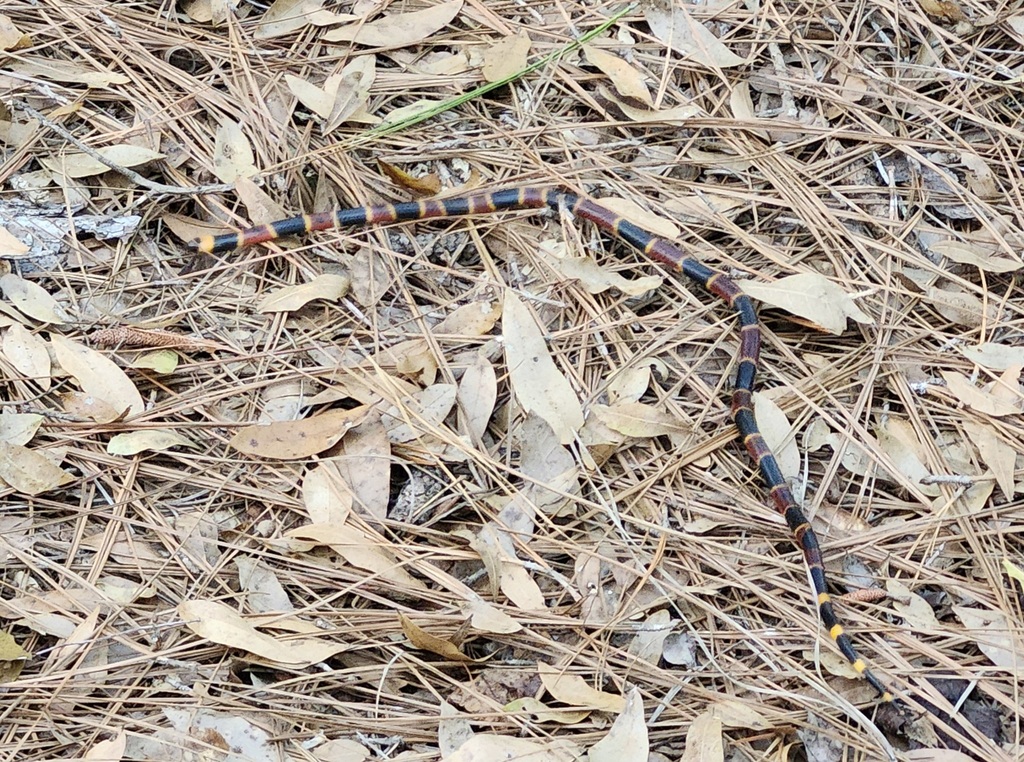
Finding small snakes or a clutch of leathery eggs in the yard usually means a snake nested somewhere nearby. In most cases this is normal and harmless. This guide explains what snake eggs look like, what a discovery actually means, and the calm, safe way to handle it.
What snake eggs look like
Snake eggs are soft and leathery, not hard and brittle like bird eggs. The shell gives a little when touched and is usually dull white, cream, or off-white rather than glossy or speckled.
Most are oval or oblong, roughly the size of a grape to a small chicken egg depending on the species. They are often found stuck together in a clump, because the eggs adhere to one another as they are laid.
Not all snakes lay eggs. Many common yard species, including garter snakes and most rattlesnakes, give birth to live young, so you may find baby snakes with no eggs anywhere.
Where eggs and babies turn up
Snakes look for warm, moist, hidden spots to lay eggs or shelter their young. Mulch beds, compost piles, leaf litter, and rotting logs are common choices.
You may also find them under boards, flat stones, landscape fabric, woodpiles, or in the gaps under sheds, decks, and stacked materials.
Compost is a frequent surprise spot, because decomposition generates steady heat that helps eggs incubate.
What finding eggs or babies means
A clutch of eggs or a group of hatchlings means a female snake chose your yard as a nesting site. It does not mean the yard is overrun.
Many egg-laying species do not guard their eggs at all. The female lays them in a sheltered spot and leaves, so finding eggs rarely means an adult is lurking right beside them.
Hatchlings tend to disperse on their own within days. Baby snakes eat insects, slugs, worms, and other small prey, and most move off in search of cover and food.
Baby venomous snakes are still venomous
If a venomous species lives in your area, its young hatch or are born fully venomous. A baby copperhead or rattlesnake should be treated with the same caution and distance as an adult.
There is a common myth that baby venomous snakes are more dangerous than adults, supposedly because they cannot control how much venom they inject. This claim is not supported by evidence. Adults are larger, carry far more venom, and can deliver a more serious bite.
The practical takeaway is simple: do not handle any snake you cannot confidently identify, regardless of size, and give every snake space.
What to do when you find them
In most cases the best action is to leave eggs and baby snakes alone. They are part of a healthy yard and will move on or hatch and disperse without intervention.
Do not try to dig up, move, or destroy eggs by hand, and do not handle hatchlings. Keep children and pets away from the area until things have cleared.
If venomous species are common where you live and you are unsure what you are dealing with, contact a local wildlife professional or animal control rather than approaching the nest yourself.
If you simply want fewer hiding spots, wait until the area is clear, then reduce harborage by tidying woodpiles, clearing debris, and keeping mulch and compost contained.
Telling snake eggs from other eggs
Snake eggs can look very similar to the eggs of some lizards and turtles, which are also leathery rather than hard. In many cases you cannot reliably tell them apart just by looking.
Rough size and shape can hint at the source, but overlap between species makes confident identification difficult for most people.
If the identity matters to you, photograph the eggs without disturbing them and ask a local wildlife agency, extension office, or herpetology expert. There is no reliable home test, so when in doubt, leave them in place and ask a professional.
When to call a professional
Call a local wildlife professional if you believe a venomous species is involved, if snakes are getting inside the house, or if you keep finding clutches year after year and want guidance on the source.
A professional can identify the species, assess the situation safely, and recommend long-term changes to make the yard less attractive to nesting snakes.
Avoid online removal tricks or chemical repellents marketed as guaranteed fixes. They are often ineffective and can put you closer to a snake than is safe.
Frequently asked
- How can I tell if eggs in my yard are from a snake?
- Snake eggs are soft and leathery, usually dull white or cream, oval, and often stuck together in a clump. Bird eggs are hard and brittle by comparison. That said, lizard and turtle eggs can look very similar, so you often cannot confirm a snake without expert help.
- Are baby snakes more dangerous than adult snakes?
- No. The idea that baby venomous snakes are more dangerous because they cannot control their venom is a myth. Babies are still fully venomous and deserve caution, but adults carry far more venom and can deliver a more serious bite.
- Does finding snake eggs mean I have a snake infestation?
- Usually not. It typically means one female chose a sheltered spot to lay eggs. Many egg-laying species do not guard their eggs, so finding a clutch rarely means an adult is nearby.
- Should I remove or destroy snake eggs I find?
- In most cases, no. The safest choice is to leave them alone and let nature take its course. Do not handle eggs or hatchlings. If you suspect a venomous species, contact a local wildlife professional instead of approaching the nest.
- Where are snake eggs most often found in a yard?
- Warm, moist, hidden places: mulch beds, compost piles, leaf litter, rotting logs, and under boards, stones, or stacked materials. Compost is especially common because it produces steady heat.
- What should I do if I find a baby snake I cannot identify?
- Keep your distance and do not handle it. Most hatchlings move on within a few days. If venomous species are common in your area and you are unsure, take a photo from a safe distance and contact a local wildlife professional.
Last reviewed June 22, 2026. Informational only, and not a substitute for professional medical or wildlife advice.