
Living with snakes
Snake Holes: How to Tell If a Hole Has a Snake
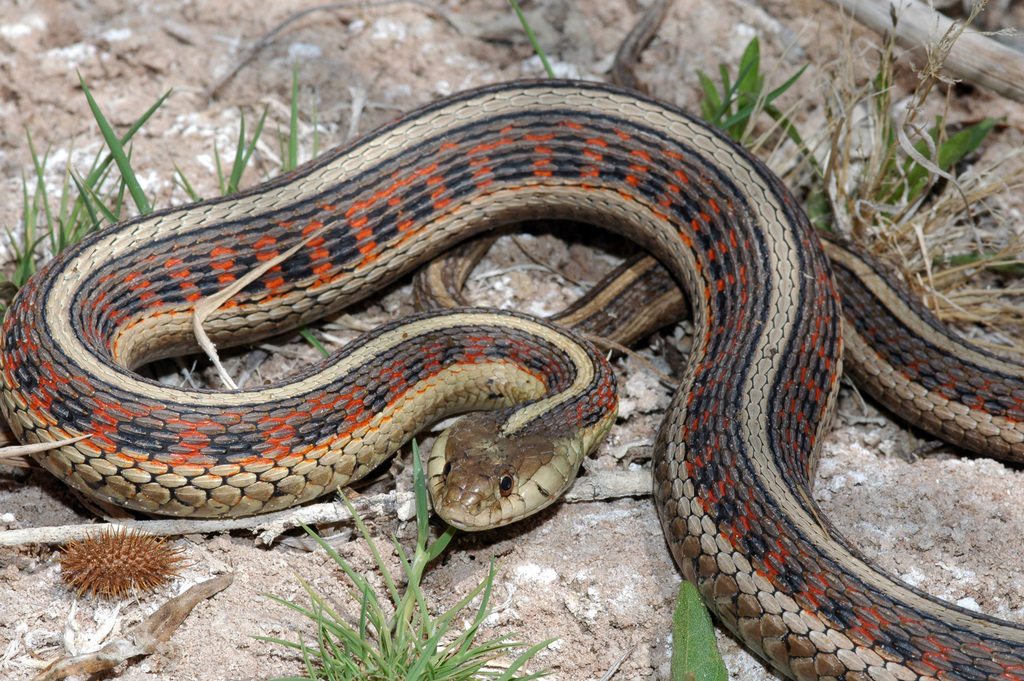
Finding a hole in your yard does not mean a snake dug it, and a snake using a hole rarely leaves clear proof of what is inside. Most snakes cannot dig their own burrows and instead borrow tunnels made by rodents, turtles, and other animals. This guide explains what an occupied hole might look like, why probing one is dangerous, and the safe steps to take.
Most snakes do not dig their own holes
The vast majority of snakes are not diggers. They lack limbs and most lack the body structure needed to excavate soil, so they rely on holes other animals already made.
Common sources are abandoned rodent burrows, chipmunk and ground squirrel tunnels, turtle and tortoise burrows, gopher and mole runs, and gaps under rocks, logs, foundations, or tree roots.
A few species can dig or push through loose soil and sand, such as some hognose snakes and certain burrowing snakes. Even these tend to use soft, sandy ground rather than carving long tunnels in packed dirt. As a rule, a tidy hole in your yard was almost certainly made by something other than a snake.
What a snake-occupied hole might look like
There is no signature that proves a snake is inside, but a few signs raise the odds. The entrance may look smooth or slightly polished from a body moving in and out, and there is usually no fresh mound of excavated dirt at the opening the way an active rodent or mole hole often has.
A piece of shed snake skin near the entrance is a stronger clue that a snake has used the area, though shed skin can blow in from elsewhere and does not confirm the hole is occupied right now.
Other weak hints include the absence of rodent activity around a former rodent burrow, or seeing a snake enter or leave. None of these signs are reliable on their own.
You cannot reliably identify a snake by its hole
Hole size, shape, and location do not tell you what species is inside, or even whether the occupant is a snake at all. The same burrow could hold a snake, a rodent, a toad, an insect colony, or nothing.
Claims that you can tell a venomous snake from its hole, or distinguish species by the diameter of the opening, are not supported. Because snakes reuse holes made by many different animals, the hole reflects the original digger, not the snake.
If knowing the species matters for safety, the only reliable approach is a clear, safe look at the actual animal from a distance, ideally a photo for an expert to review. Never put yourself near the hole to get that view.
Never put a hand or tool into a hole
Do not reach into a hole with your hand, and do not probe it with a stick, hose, shovel, or any tool. You cannot see what is inside, and a snake that feels cornered may strike to defend itself.
This matters most where venomous snakes live, but it applies everywhere. Even a nonvenomous bite can break the skin and lead to infection, and the same holes can shelter rodents, spiders, wasps, or other animals that bite or sting.
Pouring water, smoke, gasoline, or chemicals into a hole is also unsafe and often illegal or environmentally harmful. It does not reliably remove a snake and can endanger you, pets, and groundwater.
What to do if you find a suspicious hole
In most cases the safest choice is to leave the hole alone. A snake passing through is temporary, and snakes help control rodents and other pests.
Keep people and pets back, and watch the area from a distance if you want to confirm activity. Do not block the hole while you suspect something is inside, since trapping an animal can make the situation worse.
If you want the area cleared, contact a licensed wildlife or pest professional rather than handling it yourself. They have the training and equipment to assess and, if needed, remove wildlife safely and legally.
When to call a professional
Call a professional if you suspect a venomous species, if a snake is inside or under your home, or if holes keep appearing near doors, decks, or play areas.
Look for licensed wildlife removal or pest control services, or contact your local animal control or a state wildlife agency for a referral. Many areas have humane removal options.
If anyone is bitten by a snake you cannot confirm is harmless, treat it as a medical emergency: keep the person calm and still, remove tight items like rings, and seek emergency care or call your local emergency number right away. Do not try to capture the snake.
Reduce holes and snake habitat around your home
Because snakes follow food and shelter, the most effective long-term step is to make your yard less attractive to the animals that dig holes in the first place.
Control rodents, since their burrows are a primary source of snake holes, and remove easy food and cover such as spilled birdseed, pet food left outside, woodpiles, dense brush, and tall grass.
Seal gaps along foundations, sheds, and under decks, and store firewood off the ground. Reducing rodents and cover lowers the chance a snake settles in, without you ever needing to disturb a hole.
Frequently asked
- Do snakes dig their own holes?
- Most do not. The majority of snakes use holes and burrows made by rodents, turtles, and other animals, or gaps under rocks, logs, and foundations. A few species can dig in loose, sandy soil, but a typical yard hole was almost certainly made by another animal.
- Can I tell what kind of snake is in a hole by the hole itself?
- No. The size and shape of a hole reflect the animal that originally dug it, not the snake using it, and the hole may not contain a snake at all. You cannot reliably identify a species, or even confirm a snake, from the opening.
- What does a snake hole look like?
- There is no definitive look. Possible hints include a smooth entrance with no fresh mound of dug-out dirt, or shed snake skin nearby. These signs are weak and not proof, since the same hole could hold many different animals.
- Is it safe to stick something in a hole to check for a snake?
- No. Never use your hand or a tool to probe a hole. A cornered snake may strike, and other animals inside can bite or sting. Pouring in water or chemicals is also unsafe, often ineffective, and may be illegal.
- Should I fill in a hole I think a snake is using?
- Do not seal a hole while you suspect an animal is inside, since trapping it can make things worse. Leave it alone, or have a professional assess it. To prevent future holes, reduce rodents and remove cover like brush and woodpiles.
- When should I call a professional about a snake hole?
- Call a licensed wildlife or pest professional if you suspect a venomous species, a snake is in or under your home, or holes keep appearing in high-traffic areas. For a snakebite from an unconfirmed species, treat it as a medical emergency and seek care immediately.
Last reviewed June 22, 2026. Informational only, and not a substitute for professional medical or wildlife advice.