
Living with snakes
Snakes in the House: What to Do
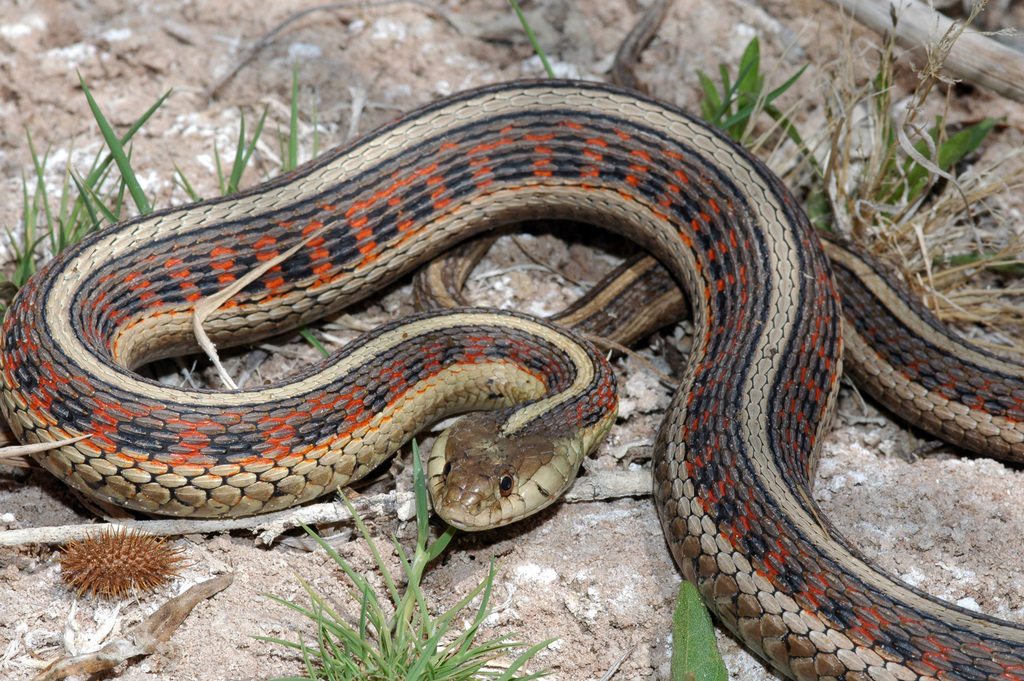
Finding a snake indoors is unsettling, but most house intruders are small, non-venomous species that wandered in chasing prey or shelter. The right response is to stay calm, keep your distance, contain the animal to one room, and either let it leave on its own or call a professional. This guide walks through exactly what to do in the moment and how to keep it from happening again.
First Steps: Stay Calm and Keep Your Distance
A snake indoors is almost always more frightened than you are. It is not hunting people and has no interest in confrontation. Its goal is to hide. Resist the urge to chase, corner, or kill it, since most bites happen when people try to handle or attack a snake rather than leave it alone.
Move children and pets out of the room and keep everyone back several feet. Watch the snake from a safe distance so you do not lose track of where it goes. If you can keep eyes on it, that single fact makes every later step far easier, because a snake you can see is a snake you can remove or wait out.
Identify the Snake From a Safe Distance
You do not need to touch a snake to identify it, and you should never pick up a wild snake to get a better look. Use your phone to take a photo or short video from a distance, then compare it to a regional field guide or send it to a local wildlife agency, extension office, or reptile rescue. In most of the United States the snake you find indoors will be a harmless species such as a garter snake, rat snake, or small brown snake.
Do not rely on folk rules like head shape or pupil shape to judge whether a snake is venomous. These shortcuts are unreliable and put you too close. Treat any snake you cannot positively identify as a snake to leave alone, and call a professional. If there is any chance it is venomous, do not attempt removal yourself.
Contain the Snake to One Room
If the snake is in a room with a door, the most useful thing you can do is contain it. Close the door and seal the gap underneath with a rolled towel so the snake cannot slip into the rest of the house. Containment turns an open-ended search into a manageable, single-room problem.
If the snake is loose in an open area, place a large trash can, bin, or box over it, then weigh the container down with something heavy. This holds the animal in place safely until a professional arrives or until you are ready to guide it outside. Never reach under furniture or into dark spaces with your bare hands when a snake is unaccounted for.
Let It Leave or Call a Professional
For a clearly harmless snake near an exterior door, the simplest solution is to open the nearest door to the outside, clear a straight path, and give the animal space and quiet to leave on its own. Snakes will usually head for the opening once people back away. You can gently encourage it from a distance with a soft broom, sweeping behind it rather than at it, never striking it.
If the snake is venomous, if you cannot identify it, or if you are not comfortable, call a licensed wildlife removal service, animal control, or a local reptile rescue. Professional removal is inexpensive relative to the risk and is always the right call for a venomous animal. Do not try to capture or relocate a wild venomous snake yourself, and never handle one with your hands or improvised tools.
If Someone Is Bitten
If a person or pet is bitten by a snake you cannot confirm is harmless, treat it as a medical emergency. In the United States, call Poison Control at 1-800-222-1222 or call 911. Keep the bitten person calm and still, keep the bitten limb roughly at heart level, and remove rings, watches, or tight clothing near the bite before swelling starts.
Do not cut the wound, do not try to suck out venom, do not apply a tourniquet, and do not apply ice. These old remedies cause harm and delay real treatment. Do not waste time trying to catch or kill the snake for identification, since a photo from a safe distance is enough and emergency clinicians can treat based on symptoms. Get to emergency care as quickly and calmly as possible.
Find Out How It Got In
Snakes do not chew through walls. They enter through gaps that already exist: gaps under doors, unsealed pipe and cable penetrations, foundation cracks, crawl space and basement vents, and openings around dryer or utility lines. A snake can pass through a gap about the width of a pencil, so even small openings matter.
After the snake is gone, walk the perimeter of your home and look low, where the foundation meets the walls and around every pipe, wire, and vent. Check that exterior doors seal tightly and that garage doors close flush. The opening that let one snake in will let in the next one, so finding and closing it is the difference between a one-time event and a recurring problem.
Seal and Prevent Future Visits
Seal the gaps you found. Use door sweeps and weatherstripping on exterior doors, fill foundation cracks with appropriate sealant or mortar, and cover vents and crawl space openings with quarter-inch hardware cloth. Steel wool or copper mesh packed into pipe penetrations blocks both snakes and the rodents they follow.
Reduce what attracts snakes in the first place. Snakes come for food and shelter, so keep grass mowed, clear brush piles, woodpiles, and debris away from the foundation, and store firewood off the ground and away from the house. Most importantly, control rodents, because a home with mice is a buffet that draws snakes indoors. Commercial snake repellents are largely ineffective, so spend your effort on sealing and rodent control instead.
Frequently asked
- Are snakes in the house usually dangerous?
- In most of the United States, no. The snakes that wander indoors are typically small, harmless species hunting insects or rodents. That said, never assume a snake is safe to handle. If you cannot positively identify it, keep your distance and call a professional.
- Will one snake in the house mean there are more?
- Usually a single snake found indoors is a lone wanderer. But a snake indoors often signals a rodent problem or easy entry points, both of which can draw more snakes. Treat it as a prompt to inspect for gaps and control rodents.
- Should I kill a snake I find inside?
- No. Trying to kill a snake is when most bites happen, and many snakes are protected or beneficial because they eat pests. The safer approach is to contain it and let it leave or have it removed by a professional.
- What instantly gets a snake out of my house?
- There is no instant fix, but the fastest safe method for a harmless snake near a door is to open an exterior door, clear the path, back away, and give it quiet space to leave. For anything venomous or unidentified, call a professional rather than rushing it.
- Do snake repellents keep them away?
- Commercial repellents, mothballs, and sulfur products are largely ineffective and some are unsafe around people and pets. The reliable prevention is physical: seal entry points and remove the food and shelter, especially rodents, that attract snakes.
Last reviewed June 22, 2026. Informational only, and not a substitute for professional medical or wildlife advice.