
Living with snakes
Why Are People Afraid of Snakes?
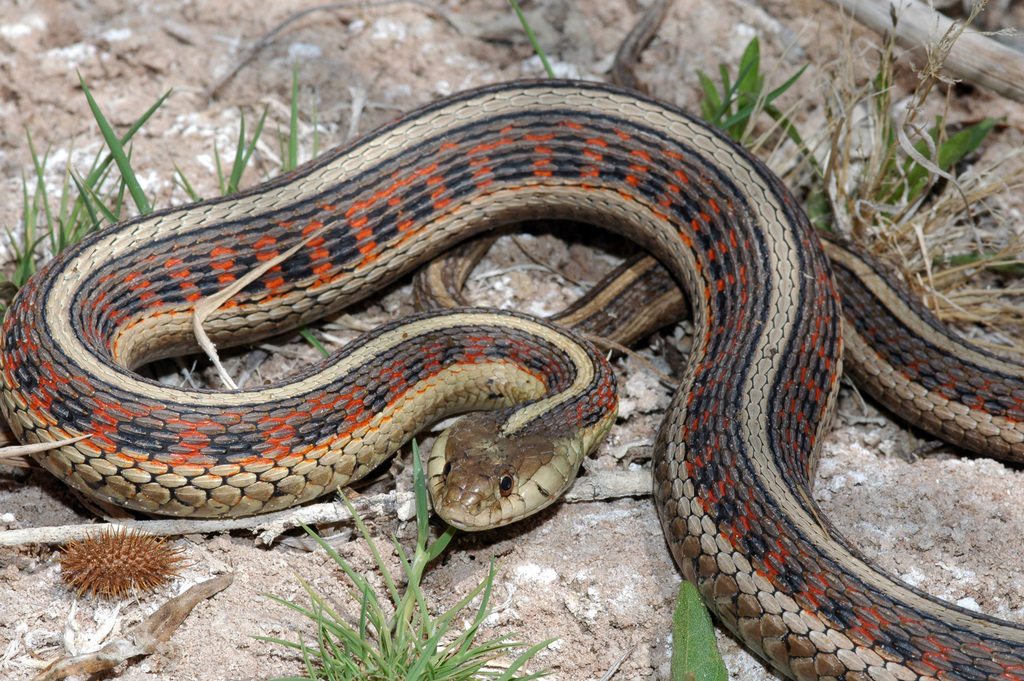
Fear of snakes is one of the most common fears in the world, and it shows up across cultures and age groups. The reasons are a mix of evolution, learning, and how the human brain processes threat. Understanding where the fear comes from is the first step toward keeping it in proportion to the real, and usually small, risk a snake poses.
How common is snake fear, and what counts as a phobia
Surveys consistently rank snakes among the things people fear most, often above heights, public speaking, and spiders. A general unease around snakes is normal and widespread. It does not mean anything is wrong with you, and most people who feel it never need treatment.
There is a difference between a dislike of snakes and ophidiophobia, the clinical term for an intense, persistent fear of them. A phobia is marked by fear that is out of proportion to the actual danger, that triggers strong physical reactions, and that leads a person to avoid situations like hiking, gardening, or visiting a zoo. When fear reaches that level and interferes with daily life, it is a recognized anxiety condition that mental health professionals can treat effectively.
The evolutionary explanation
For most of human and primate history, venomous snakes were a genuine threat. Researchers have proposed that primates who quickly noticed and avoided snakes were more likely to survive and reproduce, so a bias toward detecting them may have been favored over millions of years. This idea is often called the snake detection theory.
Evidence for a built-in head start comes from attention studies. People, including young children, tend to spot snake images in a cluttered scene faster than they spot flowers, frogs, or other neutral objects. Importantly, this is usually described as a predisposition to learn fear quickly and to pay attention to snakes, not a fully formed fear present at birth. The environment still shapes whether that readiness turns into actual fear.
How the brain reacts to snakes
The brain has fast pathways for processing potential threats. A small structure called the amygdala helps flag danger and can trigger a startle or fear response before the thinking parts of the brain finish analyzing what was seen. This is why a coiled garden hose or a stick can make someone jump for a split second before they realize it is harmless.
Snakes also hit several visual cues the brain treats as alarming: a legless body that moves in an unpredictable way, sudden motion, and patterns that stand out against the ground. Their movement is unlike most animals people encounter, and unfamiliar, fast, low-to-the-ground motion is exactly the kind of stimulus a threat-detection system responds to strongly.
Learned fear, culture, and family
A lot of snake fear is learned rather than inborn. Children often pick up fears by watching how parents and other adults react. A caregiver who recoils or shouts at the sight of a snake teaches a powerful lesson without saying a word. This is called observational or social learning, and it is one of the main ways fears spread.
Culture and media reinforce the message. Snakes frequently appear as villains, omens, or symbols of danger in stories, films, and religious texts, while their ordinary role as common, mostly harmless wildlife gets little airtime. A single frightening encounter, or even a vivid story from someone else, can also condition fear. Together these inputs explain why fear levels vary so much from person to person and place to place.
How much danger do snakes actually pose
The fear is often far larger than the risk, especially in places like the United States and Canada, where most snakes a person meets are non-venomous and want nothing to do with people. Snakes are not aggressive toward humans; bites are overwhelmingly defensive and happen when a snake is stepped on, cornered, or handled. Giving one room to leave almost always ends the encounter peacefully.
Venomous snakes deserve respect, and the right response to any wild snake is distance, not contact. In the US, snakebites cause relatively few deaths each year, in large part because emergency medical care is available and effective. Never try to handle, catch, or kill a wild snake, and never assume a wild snake is safe to touch, since that is when most bites occur. If a bite happens, treat it as a medical emergency: get away from the snake, stay as calm and still as possible, and call Poison Control at 1-800-222-1222 or 911 right away rather than attempting any home first aid.
What actually reduces the fear
Knowledge lowers fear. Learning to identify the common snakes in your area, understanding that most are harmless, and knowing that they help control rodents and pests reframes a snake from a threat into ordinary wildlife. Watching calm, factual videos or visiting a reputable nature center with handlers can replace scary images with realistic ones.
For mild fear, gradual, controlled exposure helps the brain relearn that snakes are usually safe to be near. That can mean looking at photos, then videos, then observing a snake behind glass, at a comfortable pace. For fear that is intense or disruptive, evidence-based therapy works well. Cognitive behavioral therapy and exposure therapy have strong track records with specific phobias, and a licensed mental health professional can guide the process safely.
Snakes as pets versus snakes in the wild
Captive, captive-bred pet snakes are a completely different situation from wild snakes, and for many people, spending time around a calm pet snake is one of the best ways to ease fear. Popular pet species such as corn snakes and ball pythons are non-venomous, generally docile, and used to being handled. Keeping or handling one is fine with proper care, housing, and respect for the animal.
The same does not apply to wild snakes. Do not catch a wild snake to keep, and never take in a wild-caught venomous snake. If you want hands-on experience to build comfort, work with an established pet snake, a reputable breeder, or an educational program with trained handlers, rather than picking up something you find outdoors.
Frequently asked
- Are humans born afraid of snakes?
- Most researchers think humans are not born with a full-blown fear of snakes, but with a predisposition to notice them quickly and to learn to fear them easily. Babies and young children pay extra attention to snakes but do not necessarily fear them until experience or observation teaches that response.
- Why do snakes scare people more than other animals?
- Several factors stack up: a likely evolved bias to detect them, their unusual legless and unpredictable movement, fast threat-processing in the brain, and heavy cultural and media portrayal of snakes as dangerous. That combination makes them more alarming than many animals that are statistically more harmful.
- Can fear of snakes be cured?
- Yes. Specific phobias, including fear of snakes, respond well to evidence-based treatment such as cognitive behavioral therapy and exposure therapy. Many people also reduce milder fear on their own through education and gradual, controlled exposure. A licensed mental health professional can help when the fear disrupts daily life.
- Is it normal to feel fear even of harmless snakes?
- Yes. The brain's threat system can react to any snake-like shape or motion before you consciously assess the danger, so a startle response to a harmless snake, or even a hose or stick, is common and normal. It does not mean the snake is dangerous.
- What should I do if a wild snake bites me?
- Treat it as a medical emergency. Move away from the snake, stay as calm and still as you can, remove tight items like rings or watches near the bite, and call Poison Control at 1-800-222-1222 or 911 immediately. Do not cut, suck, apply a tourniquet, or use ice, and do not try to catch the snake.
Last reviewed June 22, 2026. Informational only, and not a substitute for professional medical or wildlife advice.