
Biology & behavior
What Eats Snakes? Snake Predators
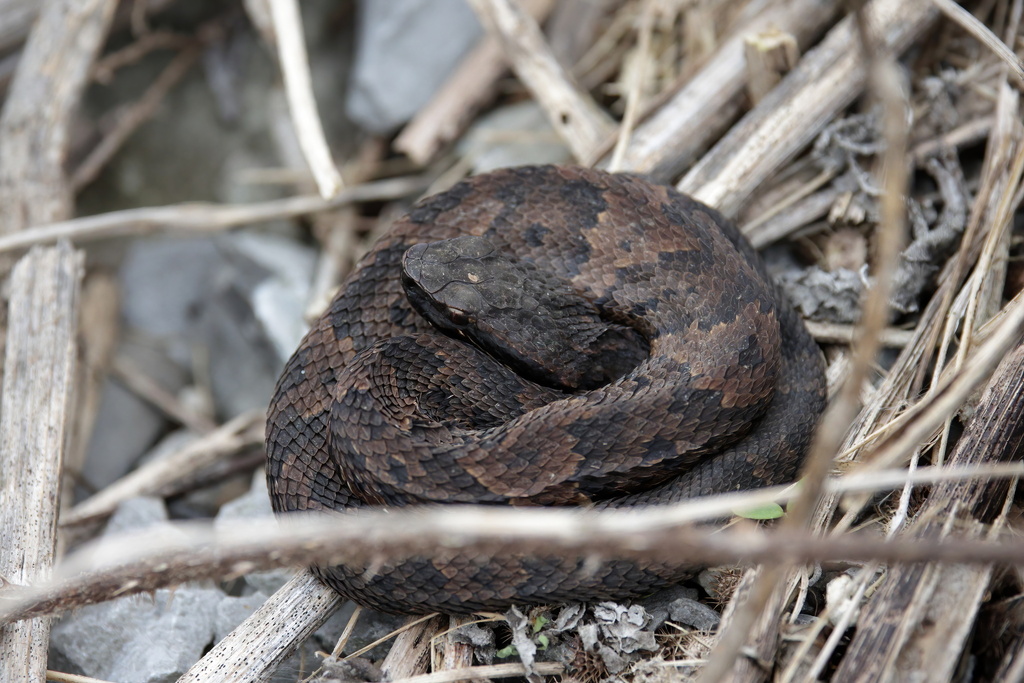
Snakes are predators, but they are also prey for a long list of hunters. Birds, mammals, other snakes, and even large frogs and fish all take snakes when they can, and people kill them in large numbers too. This guide covers the main snake predators, the defenses snakes use to survive, and where snakes sit in the food web.
Birds of prey
Raptors are among the most consistent snake hunters. Hawks, eagles, owls, and falcons take snakes by striking from above with their talons, often killing the snake by crushing it or driving claws into the head before the snake can bite back.
Some birds specialize in snakes. The secretarybird of African grasslands hunts on foot and stomps snakes to death with powerful, rapid kicks delivered from long legs, a tactic that keeps the bird's body out of strike range. Snake eagles and serpent eagles also focus heavily on reptile prey.
Smaller and ground-dwelling birds get in on it too. Roadrunners catch lizards and snakes, sometimes working in pairs to take rattlesnakes, and many wading birds and herons will swallow small snakes whole.
Snakes that eat other snakes
One of the biggest threats to a snake is another snake. Snake-eating snakes are called ophiophagous, and several groups make a living this way.
Kingsnakes are famous examples. They are constrictors that prey on other snakes, including venomous species such as rattlesnakes and copperheads, and they have a strong resistance to pit viper venom. The name kingsnake reflects this habit of preying on other snakes.
The king cobra is the largest venomous snake in the world and feeds mainly on other snakes, which is reflected in its scientific name, Ophiophagus hannah, meaning snake-eater. Coral snakes, mussuranas, and many other species also include snakes as a regular part of their diet.
Mammal predators
Many mammals hunt snakes. The mongoose is the best known, fast and agile with thick fur and a degree of resistance to some snake venoms, which lets it take on cobras and other dangerous species, though it relies on speed and timing more than pure immunity.
The honey badger is another bold snake hunter. It has tough, loose skin and partial resistance to venom, and it regularly kills and eats venomous snakes, sometimes recovering from bites that would kill other animals of its size.
Foxes, coyotes, bobcats, raccoons, skunks, weasels, and wild pigs all eat snakes when they find them. Even hoofed animals like deer and antelope will trample snakes, usually in self-defense rather than to feed.
Cold-blooded and aquatic predators
Snakes are most vulnerable when they are small. Newly hatched and juvenile snakes face a wide range of predators that adults can ignore.
Large frogs, including bullfrogs, will eat small snakes, and large fish such as bass and pike take young snakes and water snakes that enter the water. Snapping turtles also catch aquatic snakes.
Other reptiles join in as well. Large lizards such as monitor lizards eat snakes and snake eggs, and alligators and crocodiles take snakes that swim within reach. Spiders, centipedes, and large predatory insects occasionally kill very small or hatchling snakes.
Humans as predators
People are among the most significant killers of snakes worldwide. Snakes are killed out of fear, for their skins, for meat, for traditional medicine, and as a side effect of habitat destruction and road traffic.
In some regions snakes are harvested commercially in large numbers, and many more are killed on sight even when they pose no threat. Roads in particular cause heavy losses, since snakes often bask on warm pavement.
Human pressure shapes snake populations more than any natural predator does in many areas, which is why habitat loss and persecution are leading conservation concerns for snakes.
How snakes avoid being eaten
The first line of defense is not being noticed. Many snakes have camouflage patterns that blend into leaf litter, sand, or bark, and they stay still to avoid drawing a predator's eye.
If detected, most snakes try to flee to a burrow, rock crevice, or dense cover. Fleeing is the preferred response for the majority of species, since fighting risks injury.
Snakes that cannot escape may release a foul-smelling musk from glands near the tail to make themselves unappealing, and some species smear it around when handled.
Bluffing, mimicry, and venom
Many harmless snakes survive by bluffing. They may flatten the head into a triangular shape, hiss loudly, inflate the body, or strike with a closed mouth to look more dangerous than they are. Rattlesnakes warn predators with the rattle on their tail.
Mimicry is another strategy. Harmless milk snakes and scarlet kingsnakes copy the bright red, yellow, and black banding of venomous coral snakes, which can make predators hesitate. Some snakes flatten their necks to imitate the hoods of cobras.
Venom is both a hunting tool and a defense, and the threat of a venomous bite deters many would-be predators. A few snakes go further: the hognose snake will play dead by rolling onto its back, going limp, and even letting its tongue hang out, while ball pythons curl into a tight ball with the head protected in the center.
The snake's place in the food web
Snakes sit in the middle of the food web as both predator and prey. As predators they control populations of rodents, insects, amphibians, eggs, and smaller reptiles, which makes them valuable for keeping pest numbers in check.
As prey they transfer that energy upward to birds of prey, mammals, and larger reptiles. Removing snakes from an ecosystem can lead to rodent booms and disrupt the balance both above and below them.
This dual role is why snakes are considered keystone players in many habitats. They are efficient hunters of hard-to-reach prey and a reliable food source for the predators that can handle them.
Frequently asked
- What animal eats the most snakes?
- No single animal dominates, but birds of prey such as hawks, eagles, and owls are among the most frequent natural snake predators, and specialized hunters like the mongoose, secretarybird, and kingsnake take large numbers as well. Humans likely kill the most snakes overall through hunting, road traffic, and habitat loss.
- Do snakes really eat other snakes?
- Yes. Snake-eating species are called ophiophagous. Kingsnakes constrict and eat other snakes including venomous ones, and the king cobra feeds mainly on other snakes, which is why its scientific name means snake-eater. Many other species also eat snakes regularly.
- How does a mongoose survive a cobra bite?
- Mongooses have some resistance to snake venom thanks to differences in the receptors the venom targets, plus thick fur and very fast reflexes. The resistance is partial, so they rely mostly on speed and timing to avoid being bitten in the first place rather than on immunity alone.
- What eats baby snakes?
- Hatchling and juvenile snakes face far more predators than adults. Large frogs and fish, birds, small mammals, lizards, turtles, and even large insects and spiders all take small snakes. Their small size makes them vulnerable to predators that adult snakes could ignore.
- How do snakes defend themselves from predators?
- Snakes rely first on camouflage and staying still, then on fleeing to cover. If cornered, they may release foul musk, bluff by hissing and flattening the head, mimic more dangerous species, rattle, play dead, ball up to protect the head, or bite, including with venom in venomous species.
- Why are snakes important in the food web?
- Snakes are both predator and prey. They control rodent, insect, and other small animal populations, and they feed birds of prey, mammals, and larger reptiles. Removing them can cause pest populations to surge and disrupt the balance of the ecosystem, which is why they are considered keystone species in many habitats.
Last reviewed June 22, 2026. Informational only, and not a substitute for professional medical or wildlife advice.