
Living with snakes
What Attracts Snakes to a Yard?
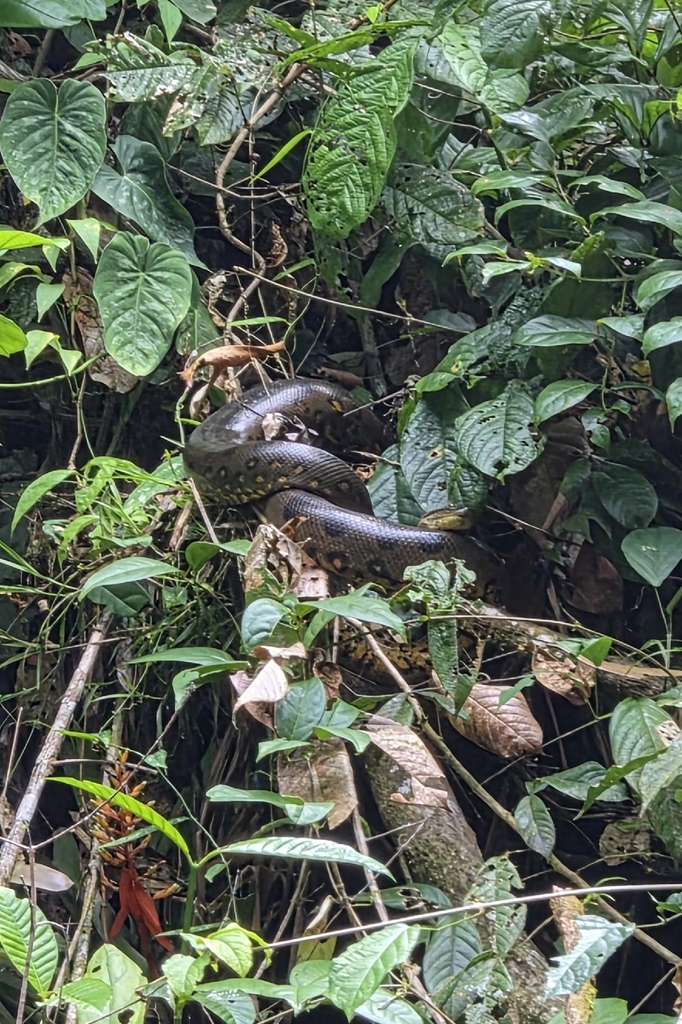
Snakes do not show up at random. They follow food, look for places to hide, and seek out cool, damp spots, especially in hot weather. When a yard offers all three, it becomes a place snakes pass through or settle into. Understanding what pulls them in is the first step toward making your property less attractive.
Snakes want three basic things
Almost every reason a snake spends time in a yard comes down to food, shelter, or water. A property that offers all three is far more likely to host snakes than one that offers none.
The good news is that these are the same things you can manage. Reducing one of them helps, and reducing all three makes a real difference over time.
Snakes are not trying to bother people. They are looking for an easy meal and a safe place to rest, and a yard that supplies both reads as good habitat to them.
Food is the biggest draw
The single largest reason snakes enter a yard is prey. Most yard snakes eat rodents such as mice, rats, voles, and chipmunks, so a property with a rodent problem is a property with a snake attractant.
Beyond rodents, snakes also eat insects, slugs, frogs, lizards, small birds, and eggs. Smaller species like garter snakes often target insects, worms, and amphibians rather than mice.
If rodents or large insect populations are present, snakes will follow. Controlling prey is usually the most effective long-term way to make a yard less appealing.
Shelter and hiding spots
Snakes need cover to feel safe from predators and to regulate their body temperature. Yards full of hiding places give them exactly that.
Common shelter attractants include woodpiles, brush and debris piles, tall or overgrown grass, dense ground cover, rock walls and rock piles, leaf litter, and general clutter left on the ground.
Gaps and voids matter too. Spaces under sheds, decks, porches, foundations, and stacked materials make ideal hideouts, and they are some of the most common places snakes settle near a home.
Water and cool, damp areas
Snakes need water and a way to stay cool, especially in summer. Sources of standing water and damp, shaded ground draw them in.
Watch for leaky outdoor faucets, clogged gutters, low spots that hold rain, water features and ponds, pet water bowls left outside, and overwatered garden beds.
Cool, damp areas under mulch, dense plantings, and shaded structures give snakes a comfortable place to wait out the heat of the day.
How bird feeders draw snakes
Bird feeders rarely attract snakes directly, but they often attract snakes indirectly. Spilled seed on the ground feeds mice, rats, and chipmunks, and those rodents are exactly what many snakes hunt.
Feeders can also draw snakes that eat eggs or nestlings if nesting birds are nearby, though the rodent connection is the more common issue.
If you keep feeders, clean up fallen seed regularly, use catch trays, and store seed in sealed containers so you are not running a feeding station for rodents.
How compost and other yard habits add up
Open compost piles can attract snakes in two ways. The warmth and moisture make comfortable cover, and food scraps draw rodents and insects that snakes then come to hunt.
Other everyday habits add to the appeal: pet food or birdseed stored where rodents can reach it, fallen fruit left under trees, trash that is not sealed, and unmanaged garden waste.
Use an enclosed compost bin rather than an open pile, keep food scraps out of reach, and clear fallen fruit so you are not feeding the prey that snakes follow.
Rodent problems are the hidden cause
If you see snakes repeatedly, there is a good chance you have a rodent population supporting them. Snakes go where the food is, so a steady snake presence often signals an underlying mouse or rat issue.
This is why rodent control is central to reducing snakes. Seal entry points around the home, remove food sources, and address any active infestation.
Solving the rodent problem removes the main reason snakes keep coming back, and it tends to do more than any single yard change on its own.
How to make a property less attractive
Start with shelter. Keep grass mowed short, clear brush, leaf, and debris piles, move woodpiles away from the house and up off the ground, and reduce ground clutter.
Close off hiding spots by sealing gaps under sheds, decks, and foundations, and keep rock walls and stacked materials in check.
Cut food and water by controlling rodents, cleaning up under bird feeders, using enclosed compost, storing pet food securely, fixing leaks, and draining standing water.
These steps overlap heavily with general snake prevention. For a full step-by-step plan, see a dedicated guide on how to keep snakes away.
Frequently asked
- What is the number one thing that attracts snakes to a yard?
- Food, and rodents in particular. Most yard snakes hunt mice, rats, and other small rodents, so a property with a rodent problem is the most likely to attract snakes. Controlling rodents is usually the most effective way to reduce snake activity.
- Do bird feeders attract snakes?
- Not usually in a direct way. Spilled seed on the ground feeds mice, rats, and chipmunks, and those rodents are what draw snakes. Cleaning up fallen seed, using catch trays, and storing seed in sealed containers reduces the indirect attraction.
- Does compost attract snakes?
- It can. Open compost piles offer warm, moist cover and attract rodents and insects that snakes hunt. Using an enclosed compost bin and keeping food scraps out of reach makes compost far less appealing to snakes.
- Why do I keep seeing snakes even after cleaning up my yard?
- Repeated snake sightings often point to an ongoing rodent population that is still feeding them. If snakes keep returning, focus on rodent control by sealing entry points, removing food sources, and addressing any active infestation.
- Does water attract snakes to a yard?
- Yes. Snakes need water and cool, damp spots, especially in hot weather. Standing water, leaky faucets, clogged gutters, ponds, and overwatered beds all add to the appeal. Draining standing water and fixing leaks helps reduce it.
- What yard features give snakes the most shelter?
- Woodpiles, brush and debris piles, tall grass, dense ground cover, rock walls, leaf litter, and gaps under sheds, decks, and foundations are the most common hiding spots. Clearing these and sealing voids removes much of the cover snakes look for.
Last reviewed June 22, 2026. Informational only, and not a substitute for professional medical or wildlife advice.