
Living with snakes
Snakes, Dogs, and Cats: Keeping Pets Safe
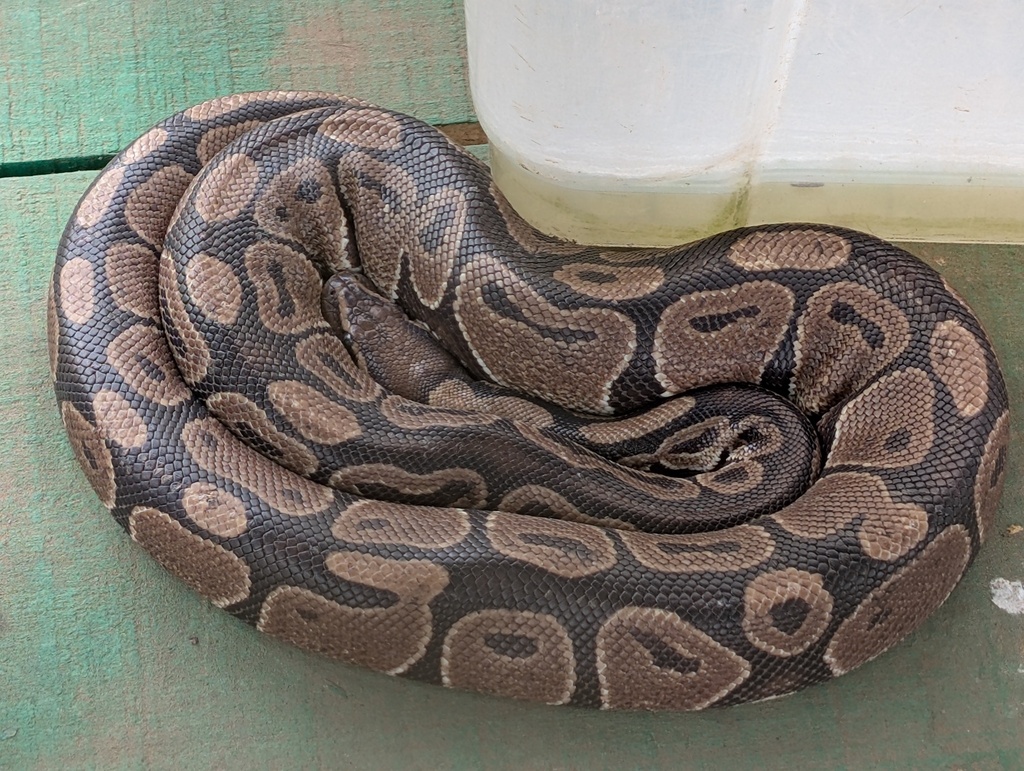
Dogs and cats cross paths with snakes more often than most owners realize, usually because a pet sniffs, paws at, or chases something moving in the grass. Most of these encounters end with a harmless snake fleeing, but a venomous bite to a curious dog's face or paw is a genuine emergency. This guide covers how pets meet snakes, the warning signs of a bite, what to do, and the steps that prevent dangerous run-ins.
How pets encounter snakes
Dogs investigate the world with their nose and mouth. A dog that catches the scent of a snake will often press its face right up to it, which puts the nose, lips, and front legs in striking range. Pawing at a coiled snake has the same effect.
Cats are hunters and tend to bat at, stalk, or pounce on a snake. That play behavior can provoke a defensive strike, though cats are often quick enough to avoid one and their hunting drive can also kill the snake.
Encounters cluster around warm weather and the times of day snakes are active, including mornings, evenings, and warm nights. Common hotspots are tall grass, woodpiles, rock walls, brush piles, the edges of yards, and shaded spots near water.
The real risk: venomous bites
The serious danger is a bite from a venomous species such as a rattlesnake, copperhead, cottonmouth, or coral snake, depending on your region. Bites to the face, head, or paw are the most common in pets because those are the body parts a curious animal leads with.
A venomous bite can cause rapid swelling, severe pain, tissue damage, bleeding problems, and in some cases shock or death. Smaller pets are at higher risk because the same dose of venom affects a smaller body more severely.
Bites from harmless, non-venomous snakes are far less dangerous but can still break the skin and become infected, so they are worth a call to your vet.
Signs your pet may have been bitten
You may not see the bite happen, so watch for sudden changes. Common signs include rapid swelling, especially around the face, muzzle, or a paw, along with obvious pain at the spot.
Other signs are one or two puncture marks, bleeding or oozing from the area, drooling, trembling, weakness or lethargy, pale gums, vomiting, difficulty breathing, or collapse.
Symptoms can come on fast or build over a short time. If you have any reason to suspect a snakebite, treat it as an emergency rather than waiting to be sure.
What to do if your pet is bitten
Get to a veterinarian or emergency animal hospital immediately. Time matters, and a vet can give appropriate care, including antivenom when it is indicated. If you can, call ahead so the clinic is ready.
Keep your pet as calm and still as possible to slow the spread of venom, and carry the animal rather than letting it walk if that is practical. Try to keep the bitten area at or below heart level.
Do not cut the wound, do not try to suck out venom, and do not apply a tourniquet or ice. These old remedies do not help and can make the injury worse. Do not give any human medication unless a veterinarian tells you to.
If you can identify the snake from a safe distance or a quick photo, that information can help your vet, but never delay treatment or put yourself at risk to catch or photograph the snake.
Preventing dangerous encounters on walks and trails
Keep your dog on a leash on trails and in areas where venomous snakes live. A leash lets you steer your dog away from brush, rock piles, and tall grass where snakes rest.
Stay on cleared paths, watch where you and your pet step, and avoid letting a dog stick its head into holes, logs, or dense cover.
Walk during cooler parts of the day in snake country when possible, and give any snake you see a wide berth. Most snakes only strike when they feel cornered.
Making your yard less snake-friendly
Snakes follow food and shelter. Keep grass short, clear brush and leaf litter, and remove woodpiles, rock piles, and debris where snakes and their prey can hide.
Control rodents, since mice and rats draw snakes in. Secure bird feed, pet food, and trash that attract rodents.
Seal gaps under sheds, decks, and foundations, and keep the area around the home open and tidy so pets and people can see the ground clearly.
Training, aversion classes, and the vaccine question
In some regions you can find rattlesnake aversion training for dogs, which teaches a dog to recognize and avoid the sight, sound, and smell of rattlesnakes. Availability varies, so check what local trainers offer and ask about their methods.
Basic obedience also helps. A reliable recall and a solid leave it command can pull a dog away from a snake before it gets close.
A rattlesnake vaccine for dogs exists, but its real-world benefit is debated and it does not replace emergency veterinary care after a bite. Whether it makes sense depends on your dog, your region, and your exposure, so ask your veterinarian for a recommendation rather than relying on the vaccine alone.
Pets can harm harmless snakes too
The risk runs both ways. Dogs and cats kill many non-venomous snakes that pose no threat and that help control rodents and pests around your property.
If you find a harmless snake in your yard, the best move is usually to keep pets indoors and let it move on, or contact a local wildlife professional if it needs to be relocated.
Learning to recognize the species in your area helps you respond calmly, protect your pet from the few dangerous snakes, and avoid needlessly killing the beneficial ones.
Frequently asked
- How do I know if a snake that bit my pet was venomous?
- You often cannot tell for sure, especially from puncture marks alone. Because a venomous bite is an emergency, treat any suspected snakebite as serious and go to a vet right away rather than waiting to identify the snake.
- Should I try to suck out the venom or use a tourniquet?
- No. Cutting the wound, sucking out venom, applying a tourniquet, and using ice are all discredited and can worsen the injury. Keep your pet calm and get to a veterinarian immediately.
- Are cats or dogs more likely to be bitten?
- Dogs are bitten more often because they investigate snakes face first and tend to linger. Cats are also at risk but often react fast enough to avoid a strike. Both should be kept away from snakes.
- Does the rattlesnake vaccine for dogs work?
- Its benefit is debated among veterinarians, and it is not a substitute for emergency treatment after a bite. Ask your own vet whether it is worth it for your dog based on your region and your dog's exposure.
- What is the single best thing I can do to protect my pet?
- Reduce exposure. Keep dogs leashed on trails, keep your yard tidy and rodent free, and know the times and places snakes are active. Pair that with knowing the bite signs and your nearest emergency vet.
- My pet killed a snake. Should I worry?
- Check your pet for any bite wounds and call your vet if you find punctures, swelling, or signs of illness, since even a dying snake can bite. Many snakes pets kill are harmless and helpful, so prevention protects both your pet and local wildlife.
Last reviewed June 22, 2026. Informational only, and not a substitute for professional medical or wildlife advice.