
Staying safe
Snakebite Symptoms: What to Watch For
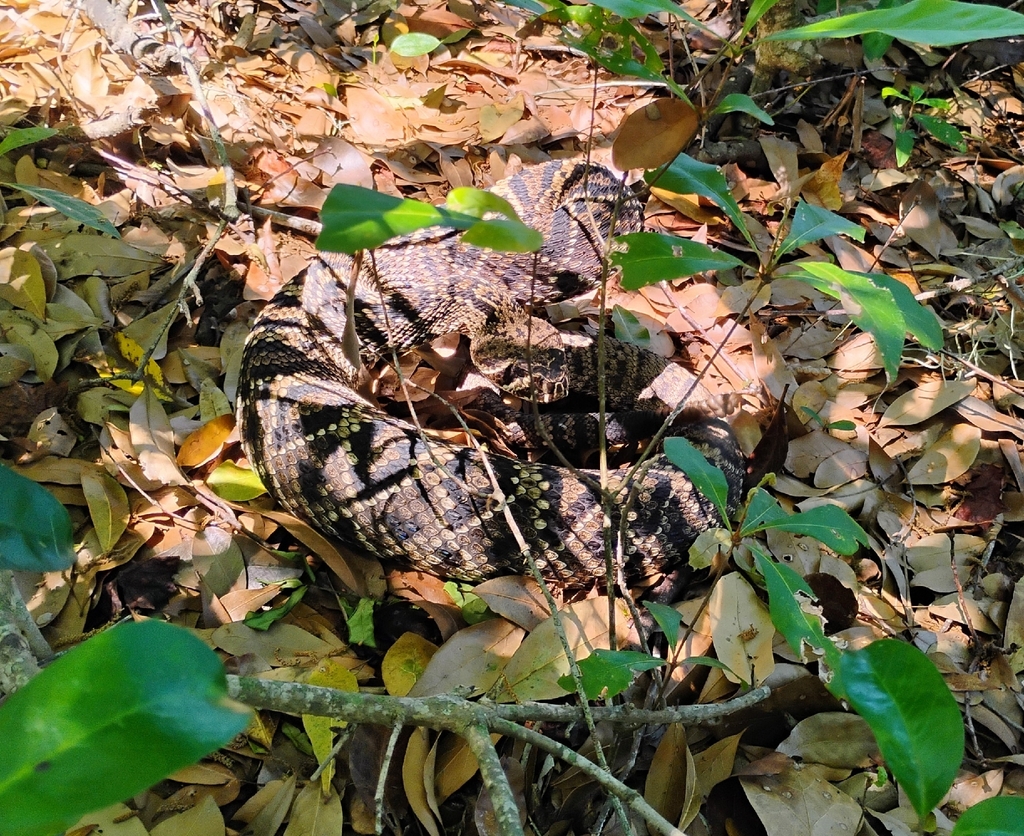
A snakebite can range from a harmless scratch to a true medical emergency, and the symptoms tell you a lot about what kind of bite happened. Knowing what to watch for helps you act fast and describe the situation clearly to emergency responders. This guide covers the symptoms of venomous and nonvenomous bites in plain language, but it is not a substitute for professional care. Any snakebite should be treated as an emergency until a medical professional says otherwise.
Why every snakebite deserves attention
Even when a bite looks minor, you cannot reliably tell from the wound alone whether venom was injected. Some venomous bites are dry bites, meaning no venom was delivered, while others release a dangerous dose. Symptoms can also be delayed by minutes to hours, so a bite that feels fine at first can worsen later.
Because of this uncertainty, the safe response is to treat every snakebite seriously. Keep the person calm and still, move them away from the snake, and call for help. In the United States you can reach Poison Control at 1-800-222-1222, or call 911 for any bite with serious or worsening symptoms. Do not wait to see how bad it gets before seeking guidance.
Symptoms common to most snakebites
Almost any snakebite, venomous or not, produces some immediate local signs. You will usually see one or two puncture marks or a row of small scratches where the teeth made contact. Pain, mild bleeding, and redness at the site are common and do not by themselves prove venom was injected.
Anxiety and a racing heart are also common after any bite, partly from fear. This matters because panic can speed the spread of venom and make it harder to assess true symptoms. Try to note the time of the bite and any changes, since this information helps medical staff judge how the situation is progressing.
Signs of a venomous bite
Venomous bites tend to produce more dramatic and progressive symptoms. Pit vipers, which include rattlesnakes, copperheads, and cottonmouths in the United States, typically cause intense burning pain, rapid swelling that spreads outward from the bite, and bruising or discoloration of the skin. You may also see blistering near the puncture wounds within hours.
Beyond the local site, venom can cause body-wide effects. Watch for nausea, vomiting, sweating, dizziness, a metallic or rubbery taste in the mouth, tingling or numbness around the lips or face, and weakness. These systemic symptoms are warning signs that venom is circulating and that emergency treatment, which may include antivenom, is needed without delay.
Neurotoxic symptoms to take seriously
Some snakes, such as coral snakes in the United States and many species worldwide, carry venom that attacks the nervous system. These neurotoxic bites can be deceptive because the bite site may show little pain or swelling, which can lead people to underestimate the danger.
The symptoms to watch for instead involve the muscles and nerves: drooping eyelids, blurred or double vision, slurred speech, difficulty swallowing, muscle weakness, and in severe cases trouble breathing. These signs can appear hours after the bite. Any difficulty breathing or swallowing is a life-threatening emergency that requires calling 911 immediately.
How nonvenomous bites usually present
Most snakes are not venomous, and their bites generally cause only minor harm. A nonvenomous bite typically leaves a curved row of tiny teeth marks rather than distinct fangs, along with minor pain, light bleeding, and some local redness. Significant swelling, spreading bruising, and systemic symptoms are usually absent.
Even so, a nonvenomous bite can become infected like any puncture wound, and identifying snakes by sight is unreliable for non-experts. Clean the wound gently and monitor it, but if you are unsure what bit you or if symptoms grow worse, contact Poison Control or seek medical care rather than guessing.
What to do and what to avoid
If a bite happens, get the person to safety, keep them calm, and limit movement of the bitten limb. Remove rings, watches, and tight clothing near the bite before swelling sets in. Keep the bitten area roughly at or slightly below heart level, and get to emergency care as quickly as you can. If you can do so safely from a distance, note the snake's color and size to help responders, but never try to catch or kill it.
Avoid the old first-aid myths, which can cause real harm. Do not apply a tourniquet, do not cut the wound, and do not try to suck out venom. Do not apply ice, and do not give the person alcohol or caffeine. For any bite, the right move is to defer to professionals: call Poison Control at 1-800-222-1222 or 911 and follow their instructions.
When symptoms mean call 911 now
Certain symptoms signal a medical emergency that cannot wait. Call 911 immediately if there is trouble breathing or swallowing, fainting or confusion, rapidly spreading swelling, severe pain, drooping eyelids or blurred vision, or any sign of a severe allergic reaction such as throat tightness or widespread hives.
When in doubt, err on the side of urgency. Snakebite outcomes are strongly tied to how fast the person reaches definitive care, and antivenom and supportive treatment are most effective when started early. It is far better to call and be reassured than to wait through a window when treatment would have helped most.
Frequently asked
- How quickly do snakebite symptoms appear?
- It varies. Local pain and swelling from a venomous bite often begin within minutes, while systemic or neurotoxic symptoms can take from 30 minutes to several hours to develop. Because of this delay, you should seek medical guidance right away even if you feel fine at first.
- Can I tell if a bite was venomous just by looking at it?
- No. Fang marks, swelling, and pain offer clues, but dry bites from venomous snakes and bites from neurotoxic snakes can look mild at first. Identifying the snake by sight is also unreliable. Treat every bite as potentially serious and let medical professionals make the call.
- What should I never do after a snakebite?
- Do not use a tourniquet, cut the wound, or try to suck out venom. Skip ice, alcohol, and caffeine, and do not try to capture the snake. These actions can worsen the injury or delay real treatment. Instead, call Poison Control at 1-800-222-1222 or 911.
- What information helps emergency responders most?
- Note the time of the bite, where on the body it happened, and how symptoms are changing. A general description of the snake's size and color can help, but only if you observed it safely from a distance. Never put yourself at risk to gather details.
- Do nonvenomous bites need medical care?
- They are usually minor, but any puncture can get infected, and you may not be certain the snake was nonvenomous. Clean the wound and watch it closely. If symptoms worsen, signs of infection appear, or you are unsure what bit you, contact Poison Control or a medical provider.
Last reviewed June 22, 2026. Informational only, and not a substitute for professional medical or wildlife advice.