
Staying safe
What to Do if a Snake Bites Your Dog
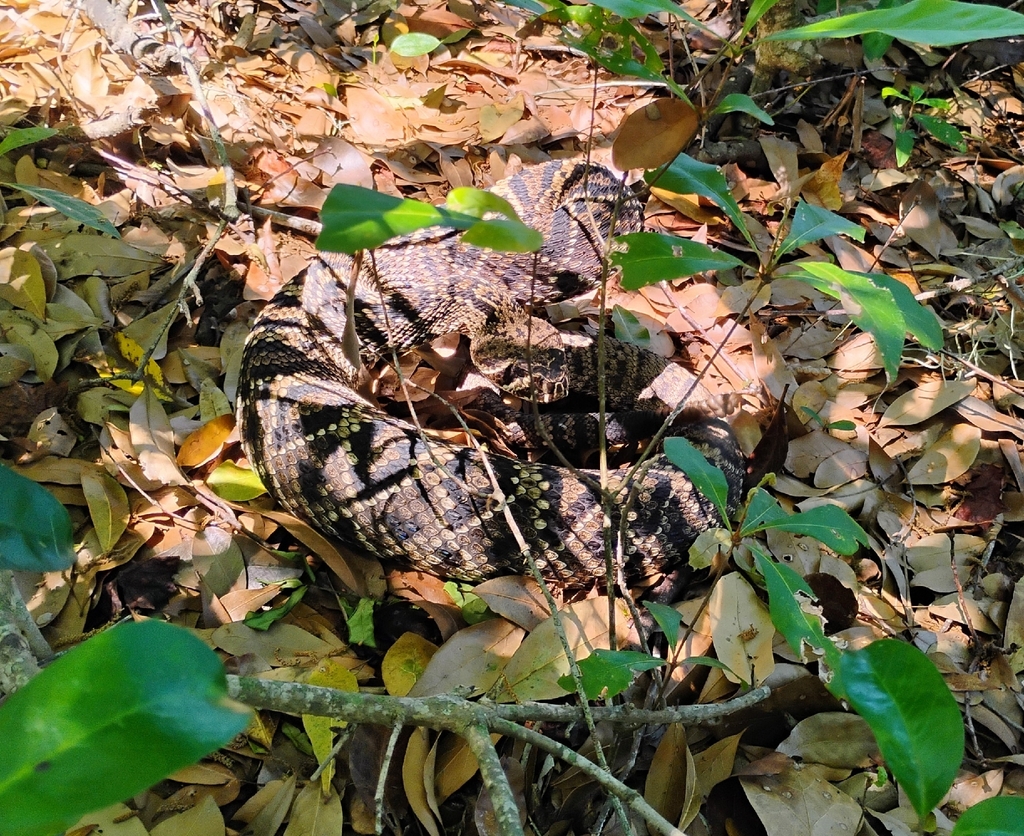
A snakebite is a true emergency for a dog, and the most important thing you can do is stay calm and get to a veterinarian fast. Most bites are survivable when treated quickly, but venom acts on a clock, so minutes matter. This guide walks you through what to do, what to skip, and how to lower the odds it happens again.
Stay calm and get away from the snake
The first priority is preventing a second bite, to your dog or to you. Move your dog away from the snake immediately, but do not try to catch, kill, or handle the snake. A wounded or cornered wild snake is more likely to strike, and even a recently killed snake can still deliver a reflexive bite. Your safety matters too, because you cannot help your dog if you are also injured.
If you can do so safely from a distance, note the snake's color, pattern, size, and head shape, or take a quick photo from several feet away. This information can help your veterinarian choose treatment, but it is never worth getting close. If you cannot identify the snake, that is fine. Vets treat based on your dog's symptoms, not just on the species.
Keep your dog calm and still
Movement speeds the spread of venom through the body by increasing circulation, so the goal is to keep your dog as quiet and still as possible. Carry your dog to the car if you can do so safely, rather than letting it walk or run. For a large dog, encourage slow, calm movement and avoid any excitement or play.
Speak softly and keep other pets and people away from the bite area. A frightened dog will have a higher heart rate, which works against you. If the bite is on a limb, try to keep that limb at or slightly below heart level and avoid jostling it. Reducing stress is one of the few things you can usefully do before reaching professional care.
Get to a veterinarian or emergency clinic immediately
Call your veterinarian or the nearest emergency animal hospital right away and tell them you are coming in with a suspected snakebite. Calling ahead lets the clinic prepare antivenom and staff before you arrive, which saves critical time. If your regular vet is closed, go straight to the closest 24-hour emergency clinic.
Time is the single biggest factor in outcomes. Venom can cause tissue damage, swelling, blood clotting problems, and effects on the heart and nervous system, and the sooner treatment begins the better the prognosis. Do not wait to see whether symptoms develop, and do not assume a bite is dry or harmless because your dog seems fine in the first few minutes. Many serious effects take time to appear.
What NOT to do
Skip the folk remedies, because most of them cause harm. Do not cut the wound, do not try to suck out the venom, and do not apply a tourniquet or any tight band. These methods do not remove meaningful venom and can worsen tissue damage, restrict blood flow, and create new injuries. Do not apply ice, and do not give your dog any human medication, alcohol, or food without veterinary direction.
Do not attempt to capture the snake for identification, and do not waste time searching for it. Identification helps but is never worth delaying transport or risking another bite. Avoid washing the wound aggressively or applying ointments, since this can interfere with the clinic's assessment. When in doubt, the safest action is simply to get your dog to professional care as quickly as possible.
What to expect at the clinic
The veterinary team will assess your dog's vital signs, the bite site, and how the venom is affecting the body, often with bloodwork to check clotting and organ function. Treatment commonly includes intravenous fluids, pain control, and antivenom when indicated and available. Antivenom works best when given early, which is another reason fast transport matters.
Your dog may need to be monitored for several hours or hospitalized overnight, because swelling and clotting changes can progress over time. The team will watch for complications and adjust treatment as needed. Follow all discharge instructions carefully, including any medications, activity restrictions, and recheck appointments, since some effects can continue to evolve in the days after a bite.
Prevent the next encounter
Most snakebites happen on the muzzle, head, or front legs when a curious dog investigates a snake. Keep your dog on a leash on trails and in tall grass, brush, and rocky areas, especially in warm months and at dawn and dusk when many snakes are active. Stay on cleared paths and steer your dog away from logs, rock piles, and dense undergrowth where snakes shelter.
At home, reduce snake habitat by keeping grass short, clearing brush and debris piles, and sealing gaps where rodents, a primary snake food source, can enter. Ask your veterinarian whether a rattlesnake vaccine or a rattlesnake aversion training class is appropriate for your region and lifestyle. These tools do not replace emergency care, but they can reduce risk in areas with venomous snakes.
Frequently asked
- How do I know if the snake that bit my dog was venomous?
- You often cannot tell for certain, and you should not get close to find out. Treat every snakebite as a potential emergency and head to a veterinarian. Vets treat based on your dog's symptoms and exam, so an exact identification is helpful but not required.
- What are the signs of a venomous snakebite in dogs?
- Common signs include puncture wounds, rapid and often severe swelling, bleeding, pain, drooling, weakness, trembling, collapse, and difficulty breathing. Some signs appear quickly while others develop over hours, which is why you should seek care immediately rather than waiting to watch for symptoms.
- Should I try to suck out the venom or use a tourniquet?
- No. Cutting, sucking, tourniquets, and ice do not remove meaningful venom and can cause additional harm. The only proven first aid is to keep your dog calm and still and get to a veterinarian as fast as possible.
- Can a dog survive a snakebite?
- Yes, many dogs survive snakebites, especially when treated quickly. Prognosis depends on factors like the type and amount of venom, the bite location, your dog's size, and how soon treatment begins. Fast transport to a clinic gives the best odds.
- Is there a vaccine that protects my dog from snakebites?
- A rattlesnake vaccine exists and is used in some regions, but it does not make a dog immune and does not replace emergency treatment. A vaccinated dog still needs immediate veterinary care after any bite. Ask your veterinarian whether it makes sense for where you live.
Last reviewed June 22, 2026. Informational only, and not a substitute for professional medical or wildlife advice.