
Biology & behavior
How Snakes Sense the World: Tongue, Heat, Smell, and Sight
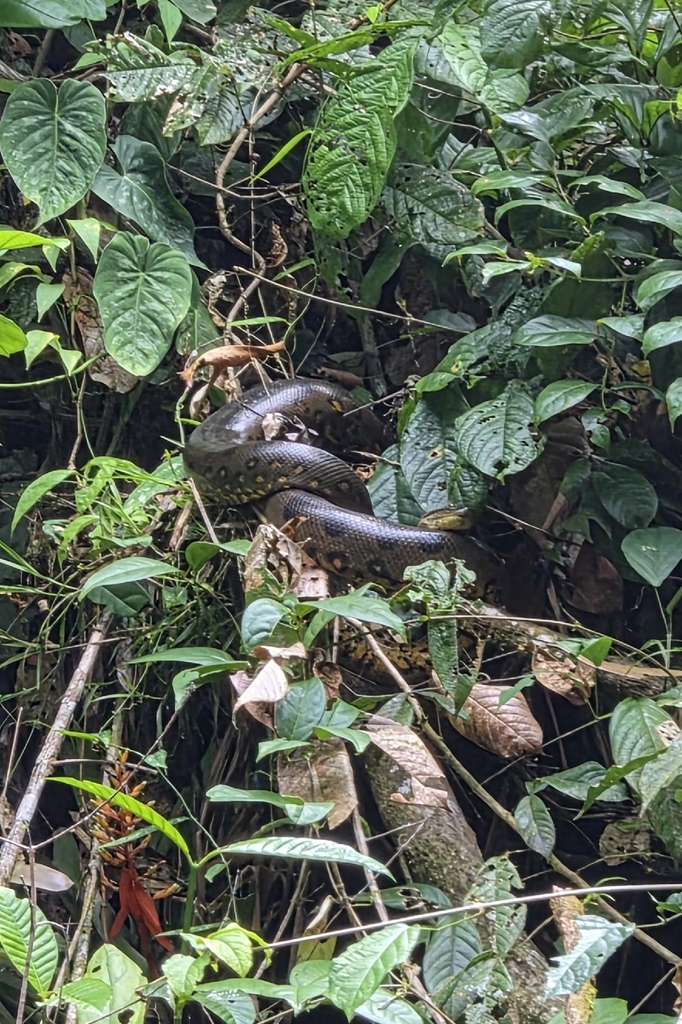
Snakes navigate, hunt, and avoid danger with a sensory toolkit very different from our own. They taste the air with a forked tongue, some read body heat in the dark, they feel vibration through the ground rather than hearing it with ears, and their eyesight ranges from sharp to nearly blind depending on the species. This guide explains how each sense works and how they combine during a hunt.
The forked tongue and smelling in stereo
A snake's flicking tongue is not a weapon and it is not used for tasting in the way ours is. It is a scent-collection tool. Each flick picks up tiny airborne and ground-borne chemical particles and carries them back into the mouth.
The fork is the clever part. The two tips sample slightly different points in space, so the snake gets a left-versus-right reading of a scent trail. This is essentially smelling in stereo, and it lets the animal tell which direction a prey trail or a potential mate is heading. A snake following a trail will often weave its head side to side, comparing the two readings to stay on course.
Because of this, a snake can track a meal it never sees, following the chemical footprint an animal left behind minutes earlier.
Jacobson's organ: where the tongue delivers its cargo
When the tongue is pulled back in, its tips are pressed near two small openings in the roof of the mouth that lead to the vomeronasal organ, also called Jacobson's organ. This is a paired chemical-sensing structure separate from the nostrils.
The vomeronasal organ specializes in detecting heavier, non-volatile molecules, the kind that linger on surfaces and in trails rather than drifting freely through the air. Nerves carry the signal to a dedicated processing region of the brain.
So snakes effectively have two chemical senses working together: ordinary smell through the nostrils for general airborne odors, and the tongue-plus-Jacobson's-organ system for precise, directional trailing. The second system is what makes a snake such an effective tracker.
Heat vision: pit organs and infrared sensing
Some snakes can detect the body heat of warm-blooded prey. This is true infrared sensing, and it belongs to two groups: the pit vipers (such as rattlesnakes, copperheads, and cottonmouths) and many pythons and some boas.
Pit vipers carry one heat-sensing pit on each side of the face, set between the eye and the nostril. Pythons and boas instead have a row of smaller pits along the lips. In both cases, a thin membrane inside the pit is packed with nerve endings that respond to tiny temperature differences, on the order of a fraction of a degree.
Because each pit faces a slightly different direction, the snake can build a rough heat image and judge where a warm animal is and how far away it is. This works in total darkness, which is why a rattlesnake can strike a mouse at night with no light at all. The brain appears to merge this heat picture with normal vision into a combined view of the world.
Do snakes hear? The truth about the missing ears
Snakes have no external ear openings and no eardrums. For a long time this led people to call them deaf, but that is not accurate. They retain a working inner ear.
The lower jaw rests against the ground, and vibrations travel from the jawbone through a bone called the columella to the inner ear. This makes snakes very good at detecting ground-borne vibration, the footsteps of an approaching animal or a predator moving nearby.
They can also pick up some airborne sound, but only a narrow range of mostly low frequencies, and far less sensitively than mammals. So the correct statement is not that snakes are deaf but that they lack outer and middle ear structures and rely heavily on substrate vibration sensed through the jaw and inner ear.
The snake-charmer myth
The image of a cobra rising and swaying to the music of a flute suggests the snake is responding to the tune. It is not. With its limited airborne hearing, the snake is unlikely to be reacting to the melody at all.
What the cobra is actually tracking is the movement of the flute and the charmer's swaying body. The snake rears up in a defensive posture and follows the moving object with its eyes, turning to keep it in view. The music is for the human audience.
This is a useful reminder of how snake senses differ from ours: a behavior that looks like listening is really watching and feeling vibration.
Eyesight: from sharp hunters to nearly blind burrowers
Snake vision varies enormously by lifestyle. Active daytime hunters, such as many colubrids and the fast-moving racers and whipsnakes, have good resolving eyes and track prey visually. Tree snakes can have especially keen sight, and some have horizontal pupils that widen their field of view.
At the other extreme, burrowing snakes like the blindsnakes have eyes reduced to little more than light-detecting spots under translucent scales. They live underground where detailed vision would be useless, and they rely on chemical and tactile cues instead.
Many snakes are particularly good at detecting motion, which matters more than fine detail for catching prey and spotting threats. A snake may overlook a perfectly still animal and then react instantly when it twitches.
Eye structure, pupils, and color
Snakes have no movable eyelids. Instead, a clear protective scale called the spectacle, or brille, covers each eye. It is shed along with the rest of the skin, which is why a snake's eyes turn cloudy and bluish in the days before a shed.
Pupil shape is a clue to lifestyle. Round pupils are common in day-active species, while vertical slit pupils tend to belong to ambush hunters and nocturnal snakes, helping control bright light and judge distance.
Color vision exists in snakes, and research suggests some can detect ultraviolet light. Several nocturnal species appear to have lenses that let UV through, which may improve their sensitivity in low light, while many day-active species have lenses that filter UV to sharpen the image.
How the senses combine during a hunt
No single sense does all the work. A hunting snake layers them. It may first detect a prey trail by flicking its tongue and reading the scent through Jacobson's organ, following the stronger side of the fork toward the source.
As it closes in, ground vibration signals movement nearby, and vision picks up the twitch of a living target. A pit viper or python then adds infrared, locking onto the warm body even in darkness to aim the strike precisely.
After a venomous snake bites and releases prey that runs off, it switches back to chemical tracking, following the unique scent of the bitten animal to recover it. This handoff between senses, scent to vibration to sight to heat and back to scent, is what makes snakes such effective and adaptable predators.
Frequently asked
- Why do snakes flick their tongues?
- To collect scent particles from the air and ground and deliver them to the vomeronasal organ in the roof of the mouth. The forked shape lets the snake sample two points at once and sense which direction a scent trail leads.
- Can all snakes sense heat?
- No. Infrared heat sensing is limited to pit vipers, which have a pit on each side of the face, and to many pythons and some boas, which have rows of pits along the lips. Most other snakes cannot detect body heat this way.
- Are snakes actually deaf?
- Not really. They lack external ear openings and eardrums, so they cannot hear the way we do, but they keep a functional inner ear. They sense ground vibration through the jawbone and can pick up a narrow range of mostly low airborne sound.
- Does a snake hear the snake charmer's music?
- No. The cobra is following the movement of the flute and the charmer's body, not the tune. It rears in a defensive posture and tracks the moving object with its eyes. The music is for the human audience.
- How well can snakes see?
- It depends on the species. Active daytime and tree-dwelling hunters can have sharp eyesight and excellent motion detection, while burrowing snakes have eyes reduced to simple light sensors and rely on scent and touch instead.
- Why are a snake's eyes cloudy before it sheds?
- A clear scale called the spectacle covers each eye in place of eyelids. Before a shed, fluid builds up under it and the eye turns cloudy and bluish, then clears again shortly before the skin comes off.
Last reviewed June 22, 2026. Informational only, and not a substitute for professional medical or wildlife advice.