
Biology & behavior
Snake Eggs, Baby Snakes, Shedding, and Lifespan
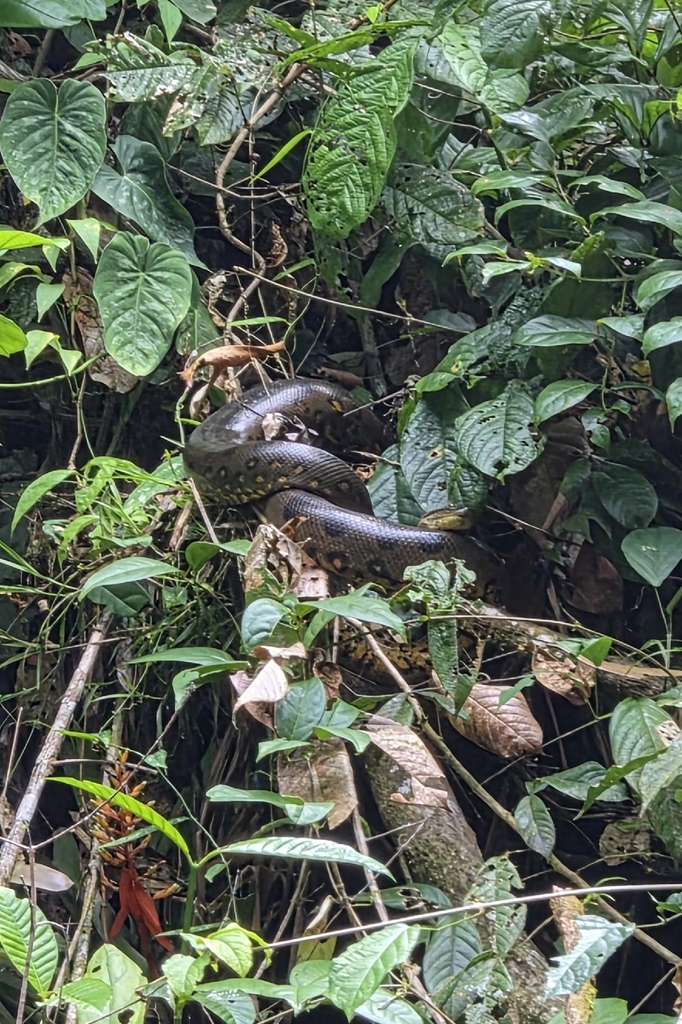
Snakes reproduce in two main ways, lay or carry their young depending on the species, and grow throughout their lives by periodically shedding their skin. Understanding the snake life cycle clears up several common myths, including the persistent idea that baby snakes are more dangerous than adults. This guide covers reproduction, eggs and nesting, hatchlings, shedding, growth, and how long snakes tend to live.
Two ways snakes reproduce: egg-laying and live birth
Snakes fall into two broad reproductive categories. Egg-laying species are called oviparous: the female deposits eggs that develop and hatch outside her body. Live-bearing species are called viviparous in the broad sense: the young develop inside the female and are born as fully formed neonates.
Most live-bearing snakes are more precisely ovoviviparous, meaning the embryos develop inside thin membranes within the mother and are born live, nourished mainly by yolk rather than a true placenta. A smaller number of species have evolved placenta-like structures that pass nutrients to the developing young.
Roughly speaking, somewhere around two thirds of snake species lay eggs and the rest give live birth, though the proportions vary by region and family.
Which snakes lay eggs and which give live birth
Egg-layers include most pythons, many colubrids such as kingsnakes, rat snakes, and corn snakes, and elapids like cobras and mambas. If you find a clutch of eggs, the parent is almost always one of these egg-laying groups.
Live-bearers include most vipers, including rattlesnakes and copperheads, as well as boas, garter snakes, and many sea snakes. Live birth tends to be favored in colder climates and aquatic environments, where carrying the young lets the mother regulate their temperature instead of relying on a warm nest.
These are general patterns rather than absolute rules. A few species do not fit the typical family expectation, so reproductive mode is best confirmed at the species level.
Courtship, sperm storage, and virgin births
Breeding is usually seasonal and triggered by temperature and day length, often following emergence from winter dormancy. Males locate females by following pheromone trails, and in some species rival males perform a wrestling combat dance, raising and intertwining their bodies to push each other down.
Many female snakes can store viable sperm for weeks, months, or in some documented cases years after mating. This lets a female produce fertilized eggs or young long after she last encountered a male, which sometimes surprises owners of isolated captive snakes.
A number of species can also reproduce by parthenogenesis, producing offspring from unfertilized eggs without any male contribution. This has been confirmed in captive and wild snakes across several families, so a lone female occasionally producing young is not proof of recent mating.
Eggs and nesting
Snake eggs typically have soft, leathery, parchment-like shells rather than the hard brittle shells of bird eggs. They are usually oblong and white to cream colored, and they often stick together in a clutch. Clutch size ranges widely, from just a few eggs to several dozen in larger species.
Females seek out warm, humid, hidden spots to lay, such as rotting logs, compost and leaf piles, loose soil, animal burrows, and rock crevices. The decaying material can generate gentle heat that helps incubate the clutch. Most snakes provide no parental care and leave the eggs once laid.
A minority of species guard their eggs. Many pythons coil around the clutch and, in some cases, generate warmth through muscular shivering to raise the eggs' temperature. King cobras are notable for building a nest mound of leaves and guarding it until the eggs hatch. Incubation commonly takes on the order of one to three months depending on species and temperature.
Baby snakes are independent and fully equipped
Hatchlings and live-born neonates receive no care after they emerge. They are immediately independent, able to move, hide, and hunt on their own, and they rely on instinct rather than learning from a parent. Egg-layers may use a temporary egg tooth to slit the shell and often rest in the open egg for a day or more before leaving.
Young snakes are small, sometimes only a handful of inches long, and many are heavily patterned for camouflage. Some species have brightly colored tail tips that they wiggle to lure prey. Mortality is high in the first months because they are vulnerable to birds, mammals, and larger snakes.
Crucially, the offspring of venomous species are venomous from birth. A newborn rattlesnake or copperhead can deliver a dangerous bite and should be treated with the same caution as an adult.
The myth that baby venomous snakes are more dangerous
A widely repeated claim holds that baby venomous snakes are more dangerous than adults because they cannot control their venom and dump everything in one bite. This is a myth and is not supported by the evidence.
Both adults and juveniles can meter their venom, and adults generally have far more venom available and longer fangs, so a bite from a large adult is on average the more serious threat. The confusion likely comes from the fact that small snakes are easy to overlook and step on or pick up, which raises the chance of a bite happening at all.
The accurate takeaway is simple: a baby venomous snake is genuinely venomous and a bite warrants prompt medical care, but it is not inherently more dangerous than an adult of the same species. Treat any venomous snake, regardless of size, with respect and distance.
Shedding (ecdysis): why and how often
Snakes shed their outer layer of skin in a process called ecdysis. They shed because the outer skin does not grow with them and to replace worn skin, remove parasites, and accommodate growth. Unlike many lizards, healthy snakes typically shed the skin in one continuous piece, often turning it inside out as they crawl free.
Shedding frequency depends on age, growth rate, health, and food intake. Fast-growing juveniles may shed every few weeks, while mature adults often shed only a few times a year. Snakes feeding heavily and growing quickly shed more often than slow-growing or fasting individuals.
Before a shed, a snake enters the blue or opaque phase. A fluid builds up under the old skin, the body looks dull and dusty, and the eyes turn a milky blue-gray. Each eye is covered by a clear scale called the spectacle or eye cap, which is shed along with the rest of the skin. During this phase the snake sees poorly, often hides, and may be defensive, so it is best left undisturbed.
Growth and roughly estimating a snake's age
Snakes show indeterminate growth, meaning they keep growing throughout life, fastest when young and slowing as they mature. Growth is heavily influenced by food availability and temperature, so two snakes of the same age can differ greatly in size.
Because of this, you cannot read a snake's exact age the way you can count growth rings in a tree or fish scale. The number of segments on a rattlesnake's rattle is not a reliable age indicator either, since a snake adds a segment with each shed, sheds multiple times a year, and the rattle frequently breaks.
Practical clues give only a rough sense of age. Very small size and bright juvenile coloration suggest a young animal, while large size, faded or shifted color patterns, and scarring suggest an older one. For an accurate age you generally need to have known the individual since birth or hatching.
Lifespan in the wild versus captivity
Lifespan varies enormously by species and is strongly shaped by environment. In the wild, predation, disease, food shortages, harsh weather, and human activity kill most snakes well before old age, and many small species live only a few years on average.
Given the chance to mature, many medium and large snakes can live on the order of 10 to 20 years, and some large constrictors and other long-lived species can reach 20 to 30 years or more. Captive snakes routinely outlive their wild counterparts because they are protected from predators, fed consistently, and given veterinary care.
In captivity it is common for well-kept snakes to reach 15 to 30 years, with some individuals of long-lived species recorded living past 30 or even 40 years. As a rule, the same species lives substantially longer in captivity than in the wild.
Frequently asked
- Do all snakes lay eggs?
- No. Most snake species lay eggs, but many give live birth, including most vipers and rattlesnakes, boas, and garter snakes. Egg-laying is common in pythons, many colubrids, and elapids like cobras.
- Are baby venomous snakes really more dangerous than adults?
- No, that is a myth. Hatchlings are venomous and can deliver a dangerous bite, but they have less venom and shorter fangs than adults, so they are not more dangerous. Any venomous snake bite should get prompt medical care.
- Why do snakes shed their skin?
- The outer skin does not grow, so snakes periodically shed it to allow for growth and to replace worn skin and shed parasites. Healthy snakes usually shed in one continuous piece, including the clear eye cap over each eye.
- What does it mean when a snake's eyes turn cloudy or blue?
- That is the opaque or blue phase that precedes a shed. Fluid builds under the old skin, the body looks dull, and the eyes turn milky blue-gray. The snake sees poorly during this time and is best left alone.
- Can a female snake have babies without a male?
- Yes, in two ways. Many females store sperm for months or longer after mating, and a number of species can reproduce by parthenogenesis from unfertilized eggs. So an isolated female producing young does not prove recent mating.
- How long do snakes live?
- It depends heavily on species and environment. Many snakes die young in the wild from predators and other hazards, but those that mature can live 10 to 20 years or more. In captivity, well-kept snakes often reach 15 to 30 years, and some exceed that.
Last reviewed June 22, 2026. Informational only, and not a substitute for professional medical or wildlife advice.