
Identification
How to Identify a Snake
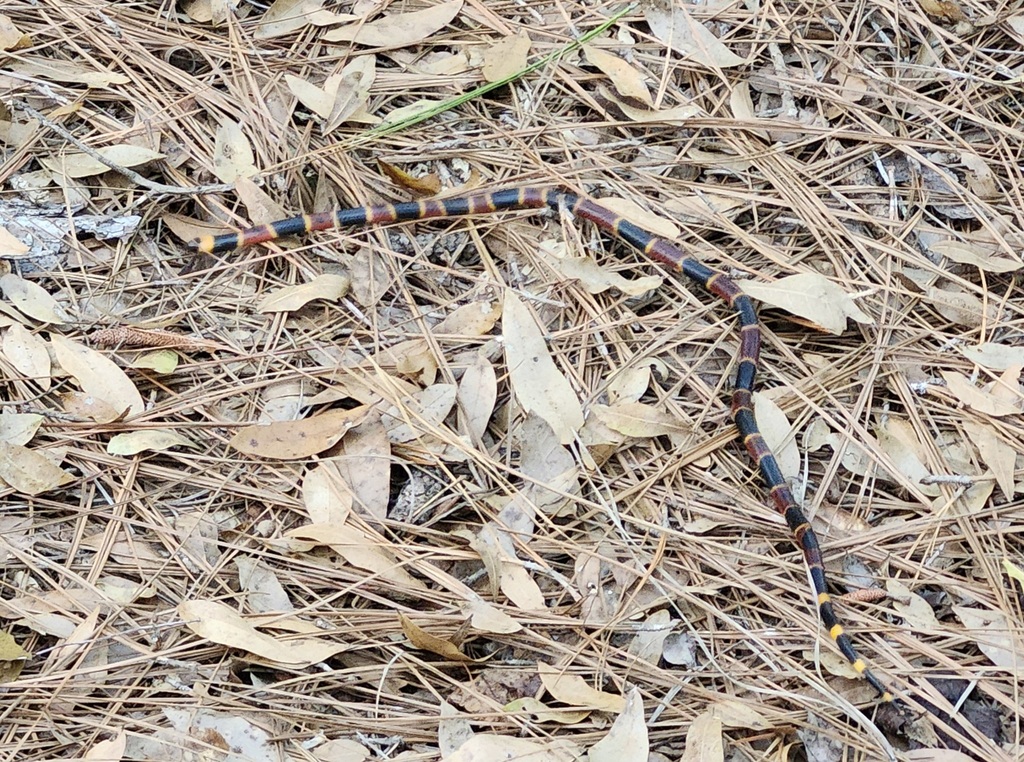
Identifying a snake comes down to reading a short list of physical and contextual clues from a safe distance: color, pattern, body shape, head shape, scale texture, and where the animal was found. No single feature is reliable on its own, so good identification stacks several clues together and checks them against the species known to live in your region. This guide walks through each clue and how to combine them without ever needing to touch the animal.
Start With Where You Are
Location is the single most powerful identification tool you have, and it costs nothing to use. Every snake species has a defined geographic range, and most regions host only a handful of species. Before you study color or pattern, narrow the list by asking what snakes actually live in your state, province, or country. A regional field guide, a state wildlife agency checklist, or a reputable herpetology database will give you a short candidate list that makes everything else faster and more accurate.
Habitat narrows the field further. Note whether the snake was in water, in tall grass, on rocks, in a tree, in a desert, or near a building. Aquatic snakes, burrowing snakes, and arboreal snakes have different body builds and tend to turn up in predictable places. Combining range with habitat often cuts the possibilities down to two or three species before you have even described the animal, which is exactly the position you want to be in.
Read Color and Pattern Carefully
Color and pattern are what most people notice first, and they are useful as long as you treat them as clues rather than proof. Describe the base color, then the markings on top of it: bands that wrap around the body, blotches or saddles along the back, stripes that run head to tail, diamonds, speckles, or a solid uniform color. Note the belly color too, since some species have distinctive belly patterns that separate them from look-alikes.
Be cautious, because color varies within a single species by age, region, and individual, and many harmless snakes mimic the look of venomous ones. The well-known rhymes about red and yellow bands are unreliable outside a narrow set of North American coral snakes and fail entirely in other parts of the world. Use pattern to build a hypothesis, then confirm it with head shape, scales, and range rather than trusting color alone.
Look at Body Shape and Size
Overall build tells you a lot about how a snake lives and which group it belongs to. A thick, heavy body with a relatively short tail suggests a ground-dwelling ambush predator, while a long, slender body with a whip-like tail suggests a fast-moving hunter. Strongly keeled, rough-looking bodies, flattened heads held above the water, or a paddle-shaped tail point toward aquatic or sea snakes. A very slender, blunt, worm-like body often indicates a small burrowing species.
Size is worth estimating but should be interpreted with care. People routinely overestimate snake length, especially when startled, so compare the animal to a fixed object nearby such as a tile, a board, or a section of sidewalk rather than guessing. Note the body thickness relative to length as well, since a thick body on a short snake versus a thin body on a long snake can separate two species that share similar colors.
Examine the Head and Scales From a Distance
Head shape is a commonly cited clue, but it is frequently misunderstood. Many venomous vipers have broad, triangular heads, yet plenty of harmless snakes flatten and broaden their heads when threatened to bluff a predator. Treat head shape as one input among several, not a verdict. More reliable head details include the position and shape of the eyes and the presence of facial features such as the heat-sensing pits found between the eye and nostril in pit vipers, which you should only ever assess through a photo or from a safe distance.
Scales add another layer of detail for careful observers. Note whether the scales look smooth and glossy or keeled with a raised ridge that gives a matte, rough appearance. Pupil shape, round versus vertical and slit-like, is sometimes mentioned, but it varies with lighting and is not a dependable shortcut to whether a snake is venomous. The safest way to study head and scale detail is to zoom in on a clear photograph taken from several feet away, never by approaching or handling the animal.
Watch Behavior and Defensive Displays
How a snake moves and reacts adds context that still images miss. Note whether it holds still and relies on camouflage, flees quickly, climbs, swims with its head raised, or stands its ground. Defensive displays are especially informative: tail vibration against dry leaves, a flattened neck or hood, coiling into a striking S-shape, hissing, or playing dead by rolling over with the mouth open. Several harmless species put on dramatic threat displays, so a frightening reaction does not by itself mean a snake is dangerous.
Behavior should never tempt you to get closer. A defensive display is a request for space, and the correct response is to back away and give the animal a clear path to leave. Observe and, if you can do so safely, photograph from a distance, then use those observations as supporting evidence for an identification you confirm later against a regional reference.
Confirm With Reliable References, Not Memory
Once you have gathered color, pattern, body shape, head and scale details, habitat, and behavior, check your candidate against trustworthy sources rather than relying on rules of thumb. A current regional field guide, a state or national wildlife agency species page, a university extension resource, or a moderated identification community staffed by herpetologists will catch mistakes that a single feature would miss. Provide clear photos and your location, since experts identify largely from range plus a few diagnostic traits.
Resist the urge to force a match. If the clues do not line up cleanly with one species, say so and keep the identification open rather than guessing. Misidentification is most dangerous when it leads someone to assume a snake is harmless, so when there is any doubt about whether a wild snake is venomous, treat it as if it could be, keep your distance, and let it move on.
Stay Safe While Identifying
No identification is worth a bite. Do not handle, corner, or attempt to capture a wild snake to get a better look, and never pick one up to check its features, since even a snake you believe is harmless can bite and many bites happen during handling attempts. Give the animal room, keep pets and children back, and let it leave on its own. A zoom lens or phone camera at a safe distance gives you all the detail you need without risk.
If a person is bitten by a snake you cannot confidently identify as harmless, treat it as a medical emergency. In the United States call Poison Control at 1-800-222-1222 or 911, keep the person calm and still, remove rings or tight items near the bite, and get to emergency care quickly. Do not cut the wound, apply a tourniquet, attempt to suck out venom, or apply ice, since these steps are not recommended and can cause harm. A clear photo taken safely can help clinicians, but never delay care or endanger anyone to obtain one.
Frequently asked
- Can I tell if a snake is venomous just by its head shape?
- No. While many venomous vipers have broad, triangular heads, numerous harmless snakes flatten their heads when threatened to mimic that look. Head shape is one clue among several, not proof. Combine it with range, pattern, and other features, and when in doubt, treat the snake as potentially dangerous and keep your distance.
- Is the red-touches-yellow rhyme a reliable rule?
- Only in a narrow set of North American coral snakes, and even then it has exceptions. The rhyme does not apply to coral snakes elsewhere in the world or to many look-alikes. Do not rely on color rhymes to decide whether a snake is dangerous. Use geographic range and a trusted regional reference instead.
- What is the most reliable single clue for identifying a snake?
- Geographic range. Knowing exactly where the snake was found often narrows the possibilities to just a few species, which makes every other clue easier to confirm. Start with a regional checklist from a wildlife agency or field guide before studying color and pattern.
- How can I identify a snake without getting close to it?
- Take clear, zoomed-in photos from several feet away and note the habitat, body shape, and behavior. Then compare those details against a regional field guide or share them with a moderated herpetology community along with your location. Experts identify largely from range plus a few diagnostic traits, so you rarely need to be near the animal.
- What should I do if someone is bitten and I cannot identify the snake?
- Treat it as a medical emergency. In the United States call Poison Control at 1-800-222-1222 or 911, keep the person calm and still, and get to emergency care quickly. Do not cut, suck, apply ice, or use a tourniquet. A photo taken safely can help clinicians, but never delay care to get one.
Last reviewed June 22, 2026. Informational only, and not a substitute for professional medical or wildlife advice.