
Biology & behavior
How Long Do Snakes Live?
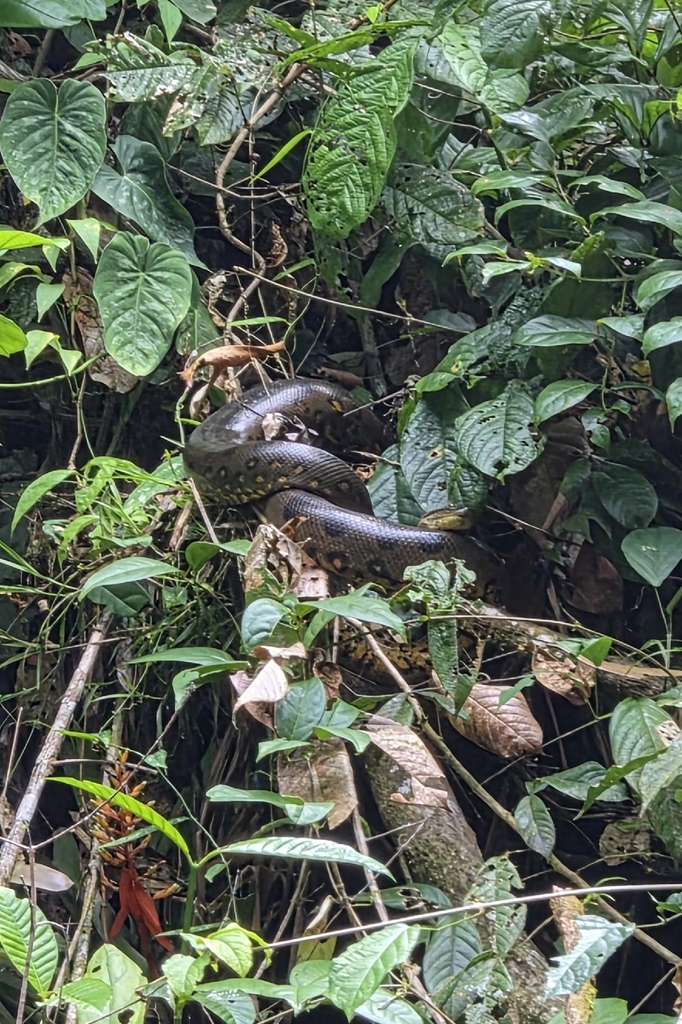
Most snakes live far longer than people expect. Lifespan depends heavily on species, on whether the animal lives in the wild or in captivity, and on day to day care. As a general rule, snakes in human care outlive their wild counterparts by a wide margin because they avoid predators, starvation, and untreated injury or disease.
The short answer
Most snakes live somewhere between 10 and 30 years, and many common pet species comfortably reach the upper end of that range with good care. Small species tend toward shorter lifespans, while larger constrictors live the longest.
The single biggest variable is wild versus captive life. A wild snake faces predators, road traffic, disease, parasites, drought, and seasons of scarce food, so the average wild lifespan is much shorter than the biological maximum. In captivity, where those threats are removed, the same species often lives two to three times as long.
Wild versus captive lifespan
In the wild, mortality is highest in the first year or two of life. Hatchling and juvenile snakes are small, inexperienced, and a frequent meal for birds of prey, mammals, larger snakes, and other predators. Many never reach breeding age, which pulls the average wild lifespan well below what the species can physically achieve.
Captive snakes skip nearly all of that. Stable temperature, reliable food, freedom from predators, and access to veterinary care mean they routinely approach or reach their maximum biological lifespan. This is why a species that may average only a few years in the wild can live 15 to 20 years or more in a well kept enclosure.
Lifespan by common species
Ball pythons are among the longest lived pet snakes. In captivity they commonly reach 20 to 30 years, and the documented record for the species is over 60 years. Corn snakes and other rat snakes typically live 15 to 20 years in captivity, sometimes longer.
Kingsnakes and milk snakes generally live 15 to 20 years in human care. Boa constrictors often reach 20 to 30 years, and large pythons such as Burmese and reticulated pythons can live 20 to 30 years as well. Garter snakes are shorter lived, often around 6 to 10 years in captivity and considerably less in the wild. Smaller species like rosy boas tend to land in the 15 to 20 year range.
What shortens a snake's life
Improper temperature is the most common avoidable killer in captivity. Snakes are ectotherms and rely on an external heat gradient to digest food and run their immune system. An enclosure that is too cold leads to failed digestion, regurgitation, and a weakened ability to fight infection.
Other major factors are poor husbandry, inadequate humidity, obesity from overfeeding, untreated respiratory infections, mites and internal parasites, and injury. In the wild, predation, vehicle strikes, habitat loss, and seasonal food shortages all cut lifespans short. Stress from frequent handling or an unsuitable habitat also takes a measurable toll over time.
What helps a snake live longer
For pet snakes, the fundamentals matter most: a correct temperature gradient with a warm side and a cool side, appropriate humidity for the species, clean water, secure hiding spots, and a feeding schedule matched to the animal's age and size rather than overfeeding. Get these right and most species reach the high end of their range.
Routine observation catches problems early. Watch for changes in appetite, weight, shedding, breathing, and stool, and see a reptile veterinarian when something seems off. Avoiding excessive handling, quarantining new animals, and keeping the enclosure clean all reduce disease risk and add years over a snake's life.
How snake size and metabolism affect lifespan
Across reptiles, larger species generally live longer than smaller ones. Larger snakes have slower metabolisms relative to their size and reach reproductive maturity later, both of which correlate with longer lifespans. This is why big constrictors like boas and large pythons top the longevity charts while small species live shorter lives.
Metabolism also explains why captive care extends life so dramatically. A snake's slow metabolism means it can survive on infrequent meals, and in captivity steady feeding plus stable warmth lets the body maintain itself efficiently for decades. Snakes do not have a fixed clock the way some animals do, so conditions, not just genetics, shape how long an individual lasts.
Planning for a long lived pet
Because many pet snakes live 15 to 30 years, taking one on is a long term commitment that can span the better part of an adult lifetime. A ball python acquired in your twenties may still be with you in your fifties. Prospective owners should plan for years of consistent care and budget for occasional veterinary costs.
It is also worth having a plan for the animal's full lifespan, including who would care for it during travel or major life changes. Choosing a captive bred snake from a reputable source, rather than a wild caught animal, gives you a healthier start and supports the long, stable life that good husbandry makes possible.
Frequently asked
- What is the longest a snake has ever lived?
- A ball python at the Saint Louis Zoo is widely cited as the oldest documented snake, living past 60 years. Most snakes live far less than this, but it shows the upper limit for a well cared for individual of a long lived species.
- Do snakes live longer in captivity or in the wild?
- Captivity, by a wide margin. Removing predators, starvation, and untreated disease lets captive snakes reach their maximum biological lifespan, often two to three times longer than the wild average for the same species.
- How long do ball pythons live?
- Ball pythons commonly live 20 to 30 years in captivity with proper care, making them one of the longest lived pet snakes. The documented species record is over 60 years.
- Why do small snakes live shorter lives than big ones?
- Larger snake species tend to have slower metabolisms relative to size and mature later, both linked to longer lifespans. Smaller species like garter snakes live shorter lives, often under 10 years even in captivity.
- What is the most common cause of early death in pet snakes?
- Improper husbandry, especially incorrect temperature. As ectotherms, snakes need a proper heat gradient to digest food and stay healthy, so a cold or poorly set up enclosure leads to failed digestion and weakened immunity.
Last reviewed June 22, 2026. Informational only, and not a substitute for professional medical or wildlife advice.