
Genus · Pareidae
Types of mountain snakes
5 species make up the genus Xylophis, the snakes commonly called mountain snakes. None are considered dangerous to humans.
About wood snakes
Xylophis are small, secretive, soil-dwelling snakes of southwestern India, harmless to people and almost never seen above ground.
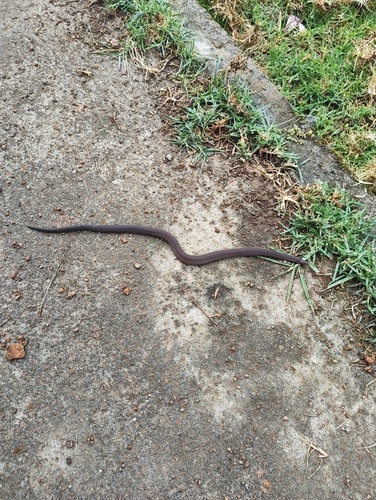
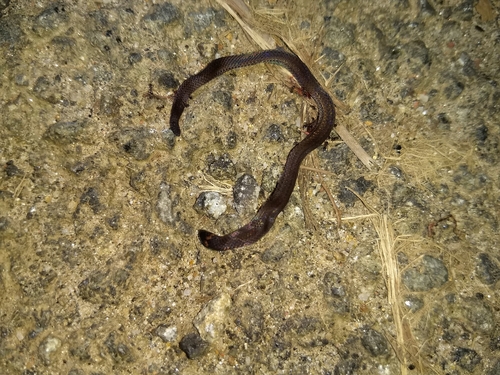
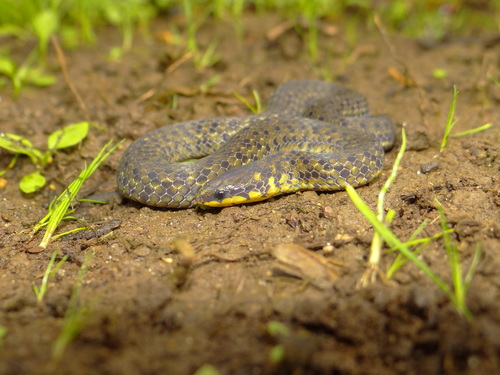
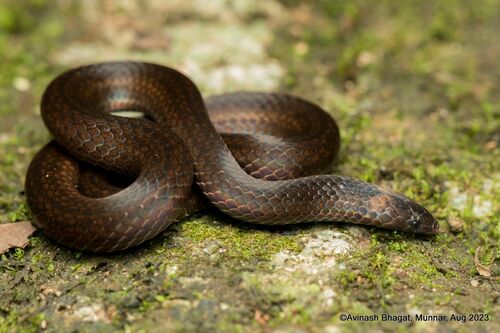
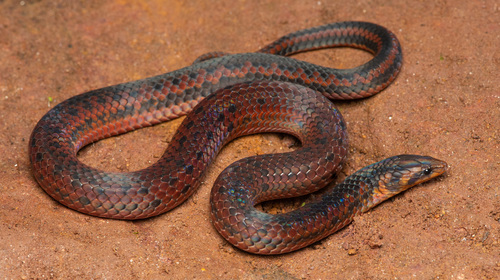
Xylophis is a genus of small snakes found only in the Western Ghats of southwestern India, one of the most distinct regions of snake diversity on the planet. The five recognized species include Perrotet's Mountain Snake, the Captain's Wood Snake, the Anamalai Wood Snake, and Gunther's Mountain Snake. They are commonly called wood snakes or mountain snakes because they live in damp forest soil and leaf litter at higher elevations in the hills.
These snakes were long placed among various groups before recent genetic and anatomical work moved Xylophis into the family Pareidae, the family that also contains the Asian slug snakes and snail eaters. This placement was a real surprise to herpetologists, because the typical Pareidae are tree-living snail specialists, while Xylophis is a burrowing forest-floor snake. The genus now sits in its own subfamily within Pareidae, reflecting how unusual and ancient its lineage is.
In general terms, Xylophis are slender and short, usually well under a foot long, with smooth scales, small eyes, and a body built for pushing through loose earth and humus. Their coloration tends toward dark browns and grays, often with a paler collar or band near the neck in some species. Because they spend their lives underground or under cover, most people in their range never encounter one, and even researchers rely on turning logs and digging in moist soil to find them.
These are harmless snakes. They are not venomous in any way that matters to humans, they have tiny mouths and teeth suited to soft-bodied prey, and they show no defensive aggression toward people. There is no medical risk from a wood snake. As with any wild animal, the right approach is simply to observe it and leave it undisturbed rather than to handle it.
Ecologically, Xylophis are believed to feed on soft invertebrates such as earthworms and insect larvae found in the soil, which fits their small size and burrowing habits and echoes the soft-prey diet seen across the broader Pareidae family. Like many small tropical snakes they are thought to lay eggs, though detailed reproductive data for these obscure species remain limited. Their fortunes are tied closely to intact, moist Western Ghats forest, so habitat protection in that region is central to their survival.
Xylophis belongs to the Pareidae family (Slug-eating snakes). Snail and slug specialists with lopsided jaws. Slender, blunt-headed snakes, often with large eyes; usually found in damp forest.
Danger: Harmless. No venom of concern.
All species (5)
Keep learning
- What Is a Snake? Anatomy and the BasicsA clear overview of what makes a snake a snake: limbless body plan, anatomy, evolution from lizards, species diversity, and why they are ectothermic.
- How Snakes Move, Hunt, and EatHow snakes move without legs, hunt as ambushers or active foragers, kill by constriction or venom, and swallow prey wider than their head.
- What Do Snakes Eat?All snakes are carnivores. Learn what snakes eat, how diet changes with size and age, how often they feed, and how they hunt and swallow prey.
- Venomous vs Nonvenomous: How to Tell the DifferenceThe folk rules for telling venomous snakes apart, where each one fails, and why location-based identification beats guessing by sight.