
Genus · Xenophidiidae
Types of spinejaw snakes
2 species make up the genus Xenophidion, the snakes commonly called spinejaw snakes. None are considered dangerous to humans.
About spinejaw snakes
Tiny, secretive forest-floor snakes from Southeast Asia, so rare they were only described in the late twentieth century.
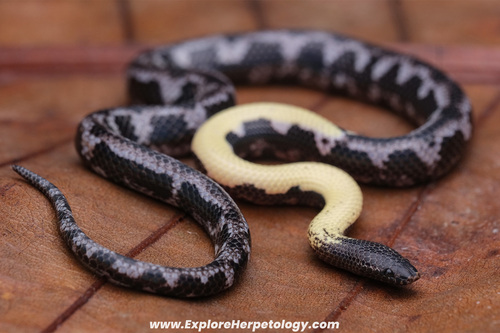
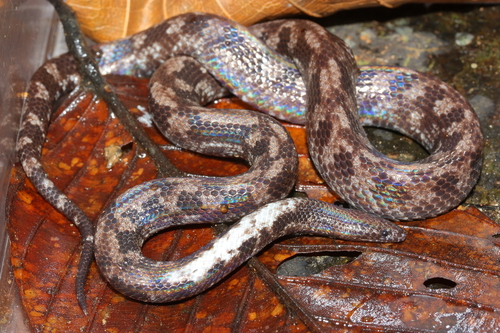
Xenophidion is the only genus in the family Xenophidiidae, a small and poorly known lineage of snakes from the rainforests of Southeast Asia. Just two species are recognized: the Malayan Spinejaw Snake (Xenophidion schaeferi) from Peninsular Malaysia and the Bornean Spine-jawed Snake (Xenophidion acanthognathus) from Borneo. The group gets its common name from a distinctive bony spine on the maxilla, an unusual jaw feature that helped researchers place these snakes in their own family rather than lumping them with more familiar groups. Where exactly Xenophidiidae sits on the snake tree is still debated, but it is generally treated as one of the more isolated and ancient small-snake lineages.
These are small, slender snakes known from very few specimens, found in lowland and hill rainforest leaf litter and the moist soil layer of intact forest. Almost everything about them comes from a handful of collected animals, so detailed natural history is genuinely scarce. In broad terms they are cryptic, ground-dwelling forest snakes that depend on undisturbed humid habitat, which makes habitat loss the main concern for the genus. Recognizing one in the field is difficult given how seldom they are encountered; they are small, smooth-bodied, and easily mistaken for other tiny forest snakes without close examination of the skull and scale features that define the family.
Xenophidion snakes are not considered dangerous to people. They are small, non-aggressive, and there is no evidence they pose a venom threat to humans; like most tiny forest snakes their natural diet is thought to be small prey such as invertebrates or small vertebrates, though specifics are not well documented. Because they are so rare and ecologically sensitive, the right response to one is to observe and leave it undisturbed rather than handle it. As a general rule, treat any snake you cannot confidently identify with caution and do not pick it up. If a bite from any snake ever causes concern, contact emergency services or US Poison Control at 1-800-222-1222.
Xenophidion belongs to the Xenophidiidae family (Spine-jawed snakes). Two rare, little-known snakes of Southeast Asia. Small forest snakes; rarely seen and hard to identify in the field.
Danger: Harmless, as far as known.
All species (2)
Keep learning
- What Is a Snake? Anatomy and the BasicsA clear overview of what makes a snake a snake: limbless body plan, anatomy, evolution from lizards, species diversity, and why they are ectothermic.
- How Snakes Move, Hunt, and EatHow snakes move without legs, hunt as ambushers or active foragers, kill by constriction or venom, and swallow prey wider than their head.
- What Do Snakes Eat?All snakes are carnivores. Learn what snakes eat, how diet changes with size and age, how often they feed, and how they hunt and swallow prey.
- Venomous vs Nonvenomous: How to Tell the DifferenceThe folk rules for telling venomous snakes apart, where each one fails, and why location-based identification beats guessing by sight.