
Genus · Colubridae
Types of ground snakes
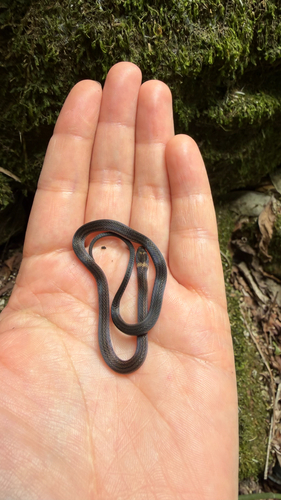
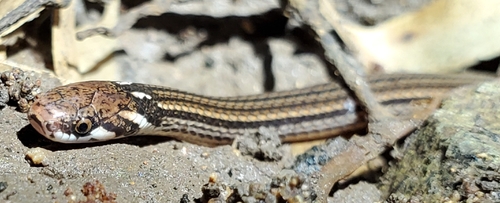
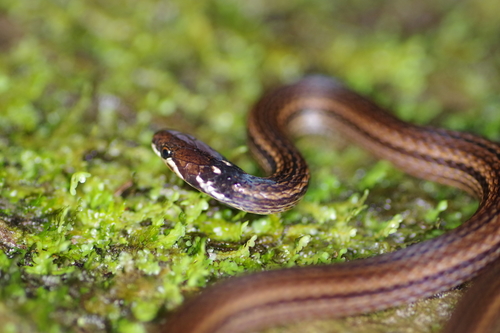
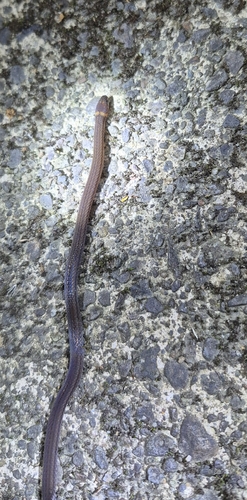
4 species make up the genus Trimetopon, the snakes commonly called ground snakes. None are considered dangerous to humans.
About tropical ground snakes
Small, secretive forest-floor colubrids of Central America that spend their lives in leaf litter and damp soil.
Trimetopon is a genus of small snakes in the family Colubridae, the largest snake family in the world. The genus is restricted to Central America, with its known species found in the highland and lowland forests of Costa Rica and Panama. The common name tropical ground snake reflects both their region and their habit of living at or below the surface of the forest floor.
These are diminutive, slender snakes adapted to a hidden, ground-dwelling life. Like many leaf-litter colubrids, members of the genus are typically modest in length, smooth-scaled, and patterned in browns, tans, or olive tones that blend into soil and decaying leaves, often with darker stripes or a collar marking near the head. Because the genus is poorly studied and several species are known from few specimens, the safest way to recognize one is by context: a small, slim, secretive snake found in moist Central American forest litter, confirmed by an expert or regional field guide rather than by a single field mark.
Trimetopon belongs to the broad assemblage of small Neotropical colubrids that are harmless to humans. They are not front-fanged venomous snakes, and there is no evidence they pose a medical danger to people. As with many small colubrids, some relatives in this group have enlarged rear teeth and mild saliva used to subdue tiny prey, but any such effect would be limited to the small animals they eat. They are best appreciated in place and not picked up, both for the snake's welfare and because wild snakes should not be handled casually.
Ecologically these snakes fit the role of small predators in the leaf litter and soil layer. Based on solid family-level and regional patterns for snakes of this type, their diet is expected to consist of small soft-bodied prey such as invertebrates, amphibian eggs, tiny frogs, and other small animals encountered in damp ground cover. They are secretive and most active in humid microhabitats, often found under logs, rocks, or leaf litter rather than in the open.
Reproduction in the group follows the egg-laying pattern common to most colubrids, with small clutches likely given the snakes' small body size, though precise details are undocumented for several species because they are rarely encountered. The genus as a whole is a good reminder that much of tropical snake diversity is made up of small, harmless, little-studied animals that quietly do the work of forest-floor predators.
Trimetopon belongs to the Colubridae family (Colubrids). The largest snake family, and the one most snakes you meet belong to. Typically round pupils, a head only slightly wider than the neck, and no heat-sensing facial pit or rattle. Scales may be smooth and glossy or keeled and matte depending on the species.
Danger: Almost all colubrids are harmless. A small number are rear-fanged with medically significant venom, the boomslang and the twig (vine) snakes of Africa being the dangerous exceptions. Most colubrids will flee or bluff rather than bite.
All species (4)
Keep learning
- What Is a Snake? Anatomy and the BasicsA clear overview of what makes a snake a snake: limbless body plan, anatomy, evolution from lizards, species diversity, and why they are ectothermic.
- How Snakes Move, Hunt, and EatHow snakes move without legs, hunt as ambushers or active foragers, kill by constriction or venom, and swallow prey wider than their head.
- What Do Snakes Eat?All snakes are carnivores. Learn what snakes eat, how diet changes with size and age, how often they feed, and how they hunt and swallow prey.
- Venomous vs Nonvenomous: How to Tell the DifferenceThe folk rules for telling venomous snakes apart, where each one fails, and why location-based identification beats guessing by sight.