
Genus · Colubridae
Tetralepis
The genus Tetralepis contains a single species. It is not considered dangerous to humans.
About Java dwarf snakes
A tiny, little-known Javan colubrid known from only a single described species, the Bluebelly Java Snake.
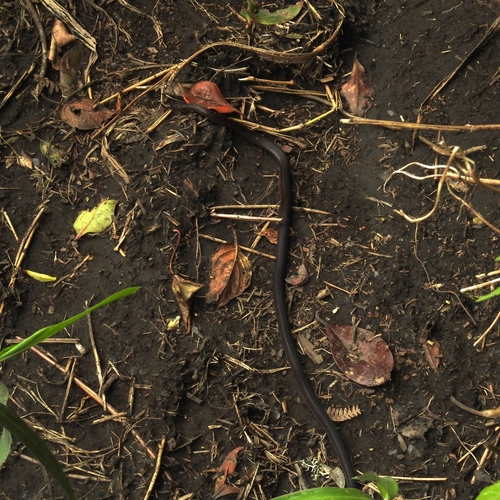
Tetralepis is a small genus in the family Colubridae, the largest and most varied family of snakes. It contains a single recognized species, Tetralepis fruhstorferi, commonly called the Bluebelly Java Snake. The name comes from the Latin for four scales, a reference to scale characters used to set this snake apart from its colubrid relatives. As one of the many minor lineages within Colubridae, it sits among the typical harmless and rear-fanged snakes rather than the front-fanged venomous families like vipers or elapids.
The genus is endemic to Java in Indonesia, where it is associated with the island's montane and forested habitats. Like many obscure tropical colubrids, it has rarely been studied in the wild, and detailed natural history is thin. In general terms, members are recognized as small, slender, ground-dwelling colubrids with smooth scales, a pattern of behavior shared by many leaf-litter and forest-floor snakes that spend their time hidden in cover, leaf litter, and soft soil.
There is no evidence that Tetralepis is dangerous to people, and small forest colubrids of this kind are not regarded as a medical threat. Even so, no wild snake should be handled, both for your safety and the animal's, and an unfamiliar snake should never be assumed to be harmless on sight. If anyone is bitten by a snake they cannot confidently identify, treat it as a medical matter, keep the limb still, and contact emergency services or US Poison Control at 1-800-222-1222 or your local emergency number. For the natural ecology of small colubrids like this, expect a diet of small prey such as invertebrates or tiny vertebrates and reproduction typical of the family, with reliable specifics best confirmed from regional herpetological sources rather than assumed.
Tetralepis belongs to the Colubridae family (Colubrids). The largest snake family, and the one most snakes you meet belong to. Typically round pupils, a head only slightly wider than the neck, and no heat-sensing facial pit or rattle. Scales may be smooth and glossy or keeled and matte depending on the species.
Danger: Almost all colubrids are harmless. A small number are rear-fanged with medically significant venom, the boomslang and the twig (vine) snakes of Africa being the dangerous exceptions. Most colubrids will flee or bluff rather than bite.
All species (1)
Keep learning
- What Is a Snake? Anatomy and the BasicsA clear overview of what makes a snake a snake: limbless body plan, anatomy, evolution from lizards, species diversity, and why they are ectothermic.
- How Snakes Move, Hunt, and EatHow snakes move without legs, hunt as ambushers or active foragers, kill by constriction or venom, and swallow prey wider than their head.
- What Do Snakes Eat?All snakes are carnivores. Learn what snakes eat, how diet changes with size and age, how often they feed, and how they hunt and swallow prey.
- Venomous vs Nonvenomous: How to Tell the DifferenceThe folk rules for telling venomous snakes apart, where each one fails, and why location-based identification beats guessing by sight.