
Genus · Leptotyphlopidae
Types of threadsnakes
3 species make up the genus Tetracheilostoma, the snakes commonly called threadsnakes. None are considered dangerous to humans.
About threadsnakes (blind snakes)
Tiny, worm-like burrowing snakes that include the smallest snake on Earth.
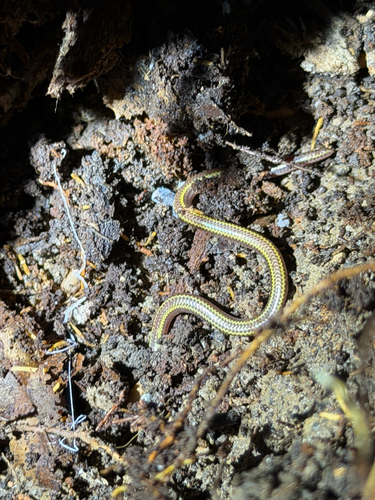
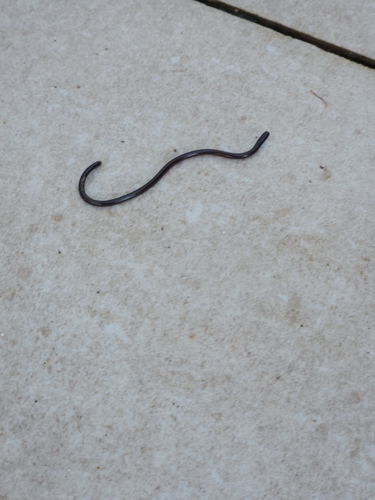
Tetracheilostoma is a small genus of threadsnakes in the family Leptotyphlopidae, the slender blind snakes. These are among the tiniest snakes in the world, with bodies barely thicker than a strand of spaghetti. The genus is best known for the Barbados Threadsnake, often cited as the smallest known snake species, alongside the Two-lined Blind Snake and the Santa Lucia Threadsnake.
Members of this genus live in the Lesser Antilles of the Caribbean, on small islands such as Barbados, Martinique, and Saint Lucia. Like other leptotyphlopids, they are fossorial, meaning they spend almost all of their lives underground or hidden in soil, leaf litter, and under rocks or rotting logs. Their entire body plan is built for burrowing rather than for moving across open ground.
Recognizing a threadsnake in general terms is straightforward once you know the build. They are extremely thin and uniform in width, with smooth, glossy scales, a blunt rounded head, a short tail often tipped with a tiny spine, and eyes reduced to dark spots under the head scales because vision matters little underground. People frequently mistake them for earthworms. Their coloring tends toward pinkish, brown, or gray tones.
These snakes are completely harmless to people. They are non-venomous, have no fangs, and their mouths are far too small to bite a human in any meaningful way. They pose no danger and are not aggressive. There is no medical concern associated with them, and they are beneficial animals in the soil ecosystem.
Ecologically, threadsnakes feed almost entirely on the eggs, larvae, and pupae of ants and termites, which they hunt inside the insect colonies they burrow through. They reproduce by laying very small clutches of eggs, sometimes only a single elongated egg in the smallest species, reflecting their tiny body size. Their secretive, underground habits mean most people never see one despite their presence in suitable habitat.
Tetracheilostoma belongs to the Leptotyphlopidae family (Slender blindsnakes (threadsnakes)). Among the smallest snakes in the world, thin as a thread. Extremely thin and worm-like, uniformly colored, with vestigial eyes. Resembles a shiny piece of string.
Danger: Harmless. No venom and far too small to harm a person.
All species (3)
Keep learning
- What Is a Snake? Anatomy and the BasicsA clear overview of what makes a snake a snake: limbless body plan, anatomy, evolution from lizards, species diversity, and why they are ectothermic.
- How Snakes Move, Hunt, and EatHow snakes move without legs, hunt as ambushers or active foragers, kill by constriction or venom, and swallow prey wider than their head.
- What Do Snakes Eat?All snakes are carnivores. Learn what snakes eat, how diet changes with size and age, how often they feed, and how they hunt and swallow prey.
- Venomous vs Nonvenomous: How to Tell the DifferenceThe folk rules for telling venomous snakes apart, where each one fails, and why location-based identification beats guessing by sight.