
Genus · Colubridae
Types of chicken snakes
3 species make up the genus Spilotes, the snakes commonly called chicken snakes. None are considered dangerous to humans.
About tropical rat snakes
Big, fast, alert daytime hunters of the American tropics that defend themselves with bluff and a wide gaping mouth rather than venom.
Spilotes is a small genus of large, non-venomous snakes in the family Colubridae, the family that contains most of the world's harmless snakes. Members are often called tropical rat snakes, tiger rat snakes, or by regional names such as chicken snake. The genus is Neotropical, ranging from southern Mexico through Central America and across much of tropical South America. They occupy a wide variety of warm, humid habitats including rainforest, forest edge, plantations, savanna, riverbanks, and the gardens and outbuildings around rural homes, where the common name chicken snake comes from their habit of raiding poultry areas for eggs and rodents.
These are long, slender to moderately heavy-bodied snakes that climb and move well on the ground. Large individuals can exceed 2 meters, and some reach close to 3 meters. The best known member, the Tiger Rat Snake, is striking, with bold black and yellow banding or blotching that varies between individuals and regions. The Amazon Puffing Snake is named for its dramatic defensive display rather than its color. As with many colubrids, exact pattern varies, so build and behavior are more reliable cues than color alone.
In general terms you can recognize members of this genus by their large size, long build, large eyes set in a head that is only slightly distinct from the neck, and active diurnal habits. They are agile and quick to flee. The head is rounded rather than the broad triangular shape seen in many vipers, which is consistent with their being harmless colubrids. Color and pattern alone are not a safe way to identify any snake, so treat identification cautiously and rely on a qualified local expert when it matters.
Spilotes snakes are non-venomous and are not considered dangerous to people, but they can put on an impressive defense. When threatened they may inflate the neck and forebody, gape the mouth widely, hiss loudly, and strike, which is the source of the puffing snake name. This is bluff, and a cornered wild snake of any kind may bite, so they should be observed and not handled. They are useful animals around farms and settlements because they prey heavily on rodents.
Their diet is broad and includes rodents and other small mammals, birds, eggs, lizards, and frogs, and they hunt actively by day using keen eyesight. They are egg-laying snakes, with females depositing clutches that hatch into independent young. Because they are large, conspicuous, and often live near people, they are sometimes killed out of fear despite being harmless. If you cannot identify a snake and there is any chance it is venomous, do not handle it, keep your distance, and for any snakebite call emergency services or, in the United States, Poison Control at 1-800-222-1222 immediately.
Spilotes belongs to the Colubridae family (Colubrids). The largest snake family, and the one most snakes you meet belong to. Typically round pupils, a head only slightly wider than the neck, and no heat-sensing facial pit or rattle. Scales may be smooth and glossy or keeled and matte depending on the species.
Danger: Almost all colubrids are harmless. A small number are rear-fanged with medically significant venom, the boomslang and the twig (vine) snakes of Africa being the dangerous exceptions. Most colubrids will flee or bluff rather than bite.
All species (3)
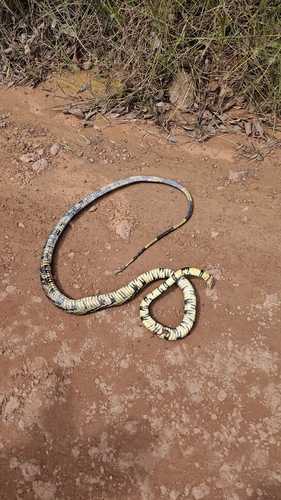
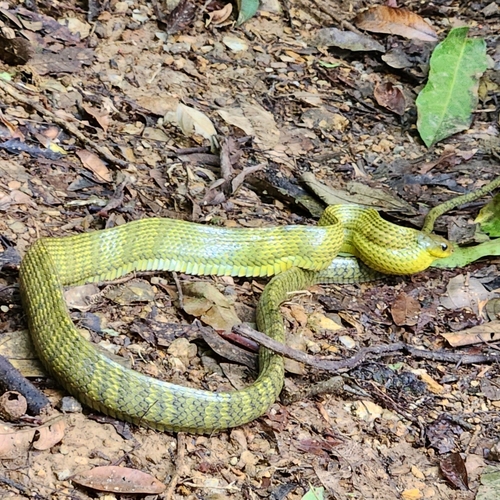
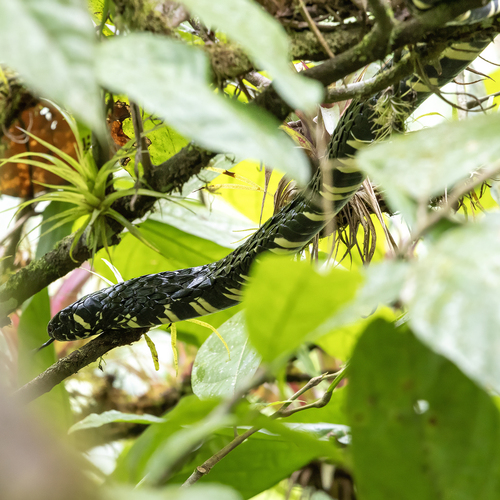
Keep learning
- What Is a Snake? Anatomy and the BasicsA clear overview of what makes a snake a snake: limbless body plan, anatomy, evolution from lizards, species diversity, and why they are ectothermic.
- How Snakes Move, Hunt, and EatHow snakes move without legs, hunt as ambushers or active foragers, kill by constriction or venom, and swallow prey wider than their head.
- What Do Snakes Eat?All snakes are carnivores. Learn what snakes eat, how diet changes with size and age, how often they feed, and how they hunt and swallow prey.
- Venomous vs Nonvenomous: How to Tell the DifferenceThe folk rules for telling venomous snakes apart, where each one fails, and why location-based identification beats guessing by sight.